Footwear & fit
Choose hiking footwear from a walk brief, not a label
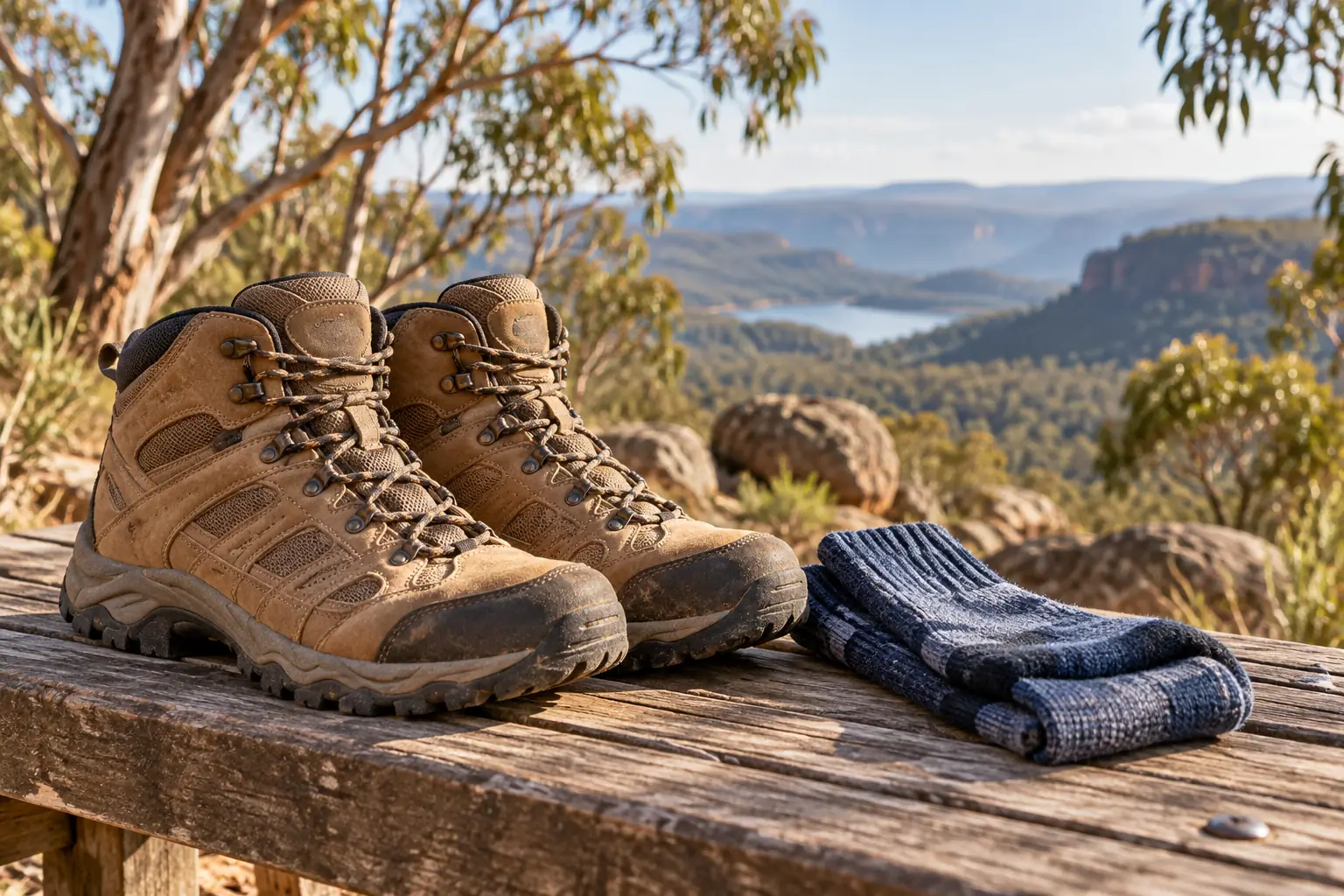
A clear walk brief connects the track description, terrain and fitting questions before a footwear shortlist begins.
Read the guideA clear walk brief connects the track description, terrain and fitting questions before a footwear shortlist begins.
Read the guide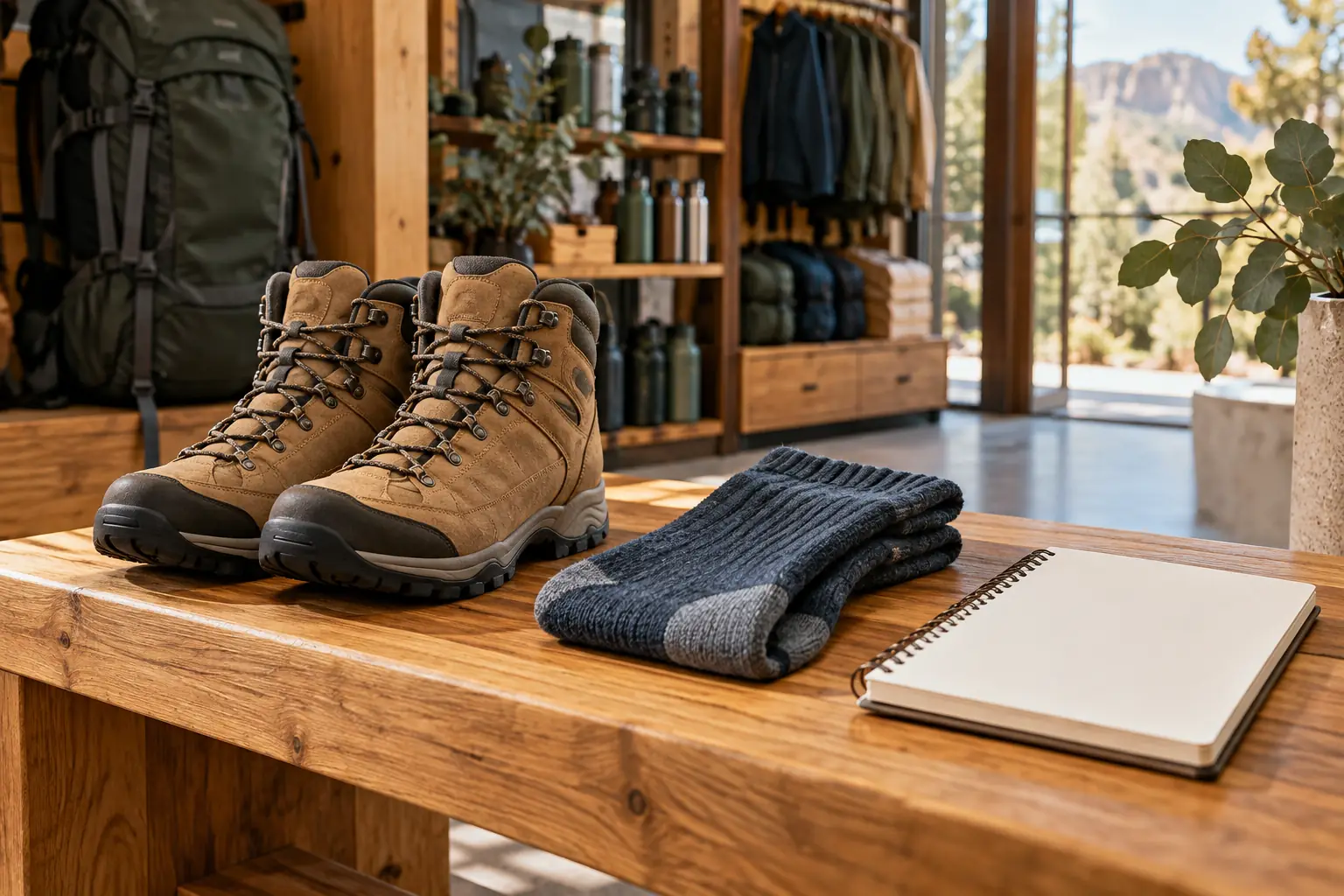
Record the model, socks and observations from a footwear fitting so a later comparison does not rely on memory alone.
Read the guide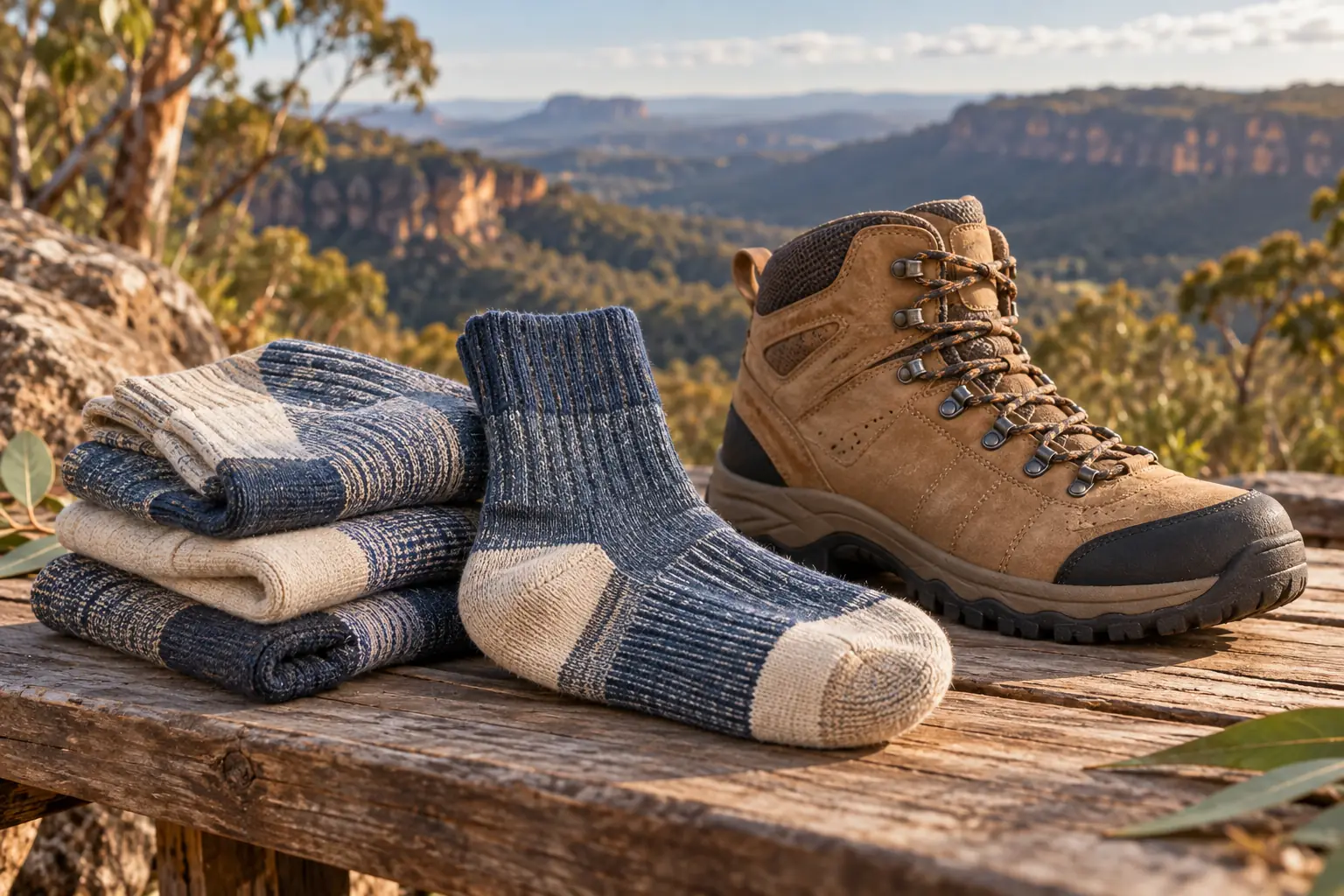
Treat socks as part of the footwear configuration and compare their documented details alongside your own fitting observations.
Read the guide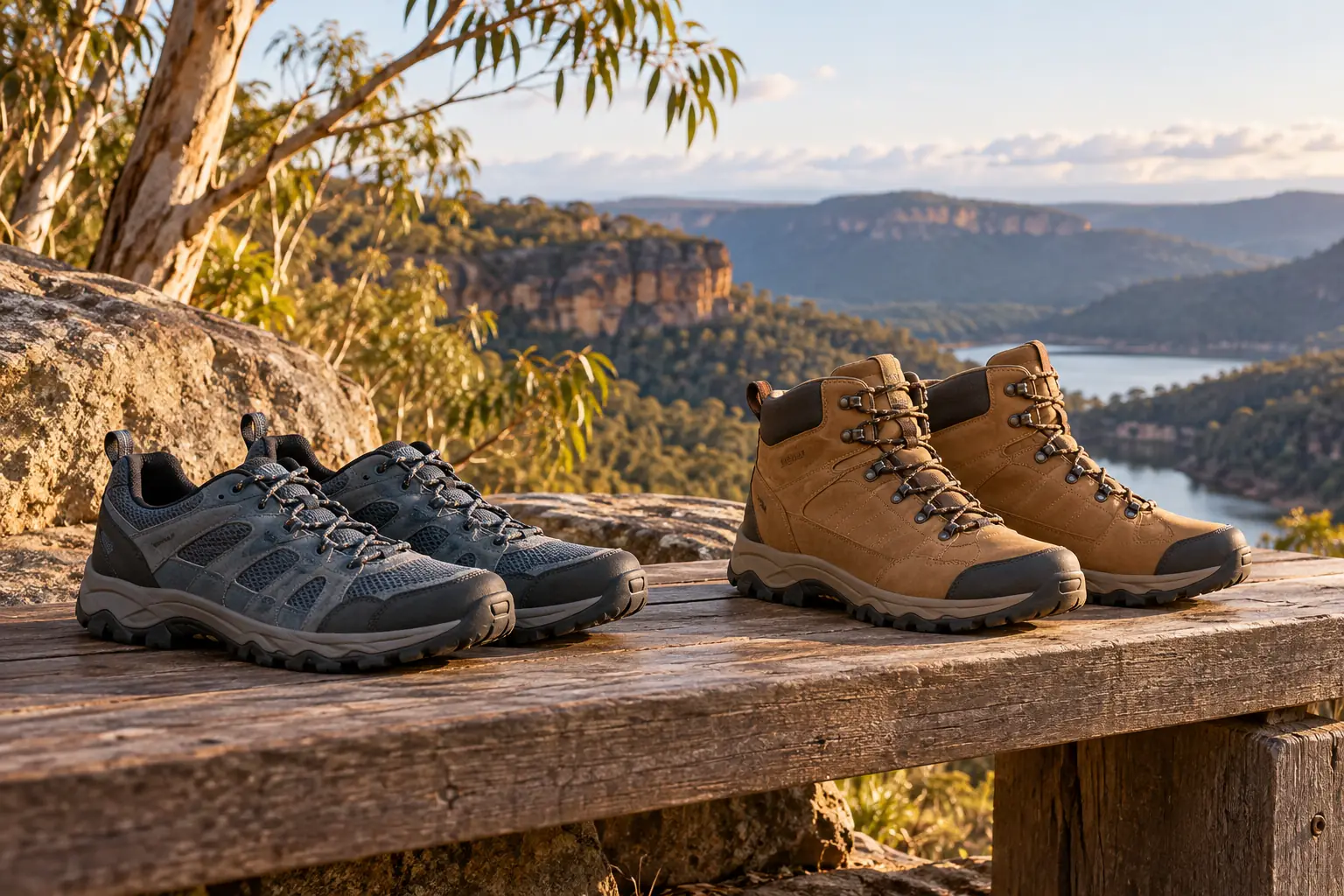
Compare specific boots and walking shoes through the route description, fit and complete configuration instead of selecting a universal winner.
Read the guide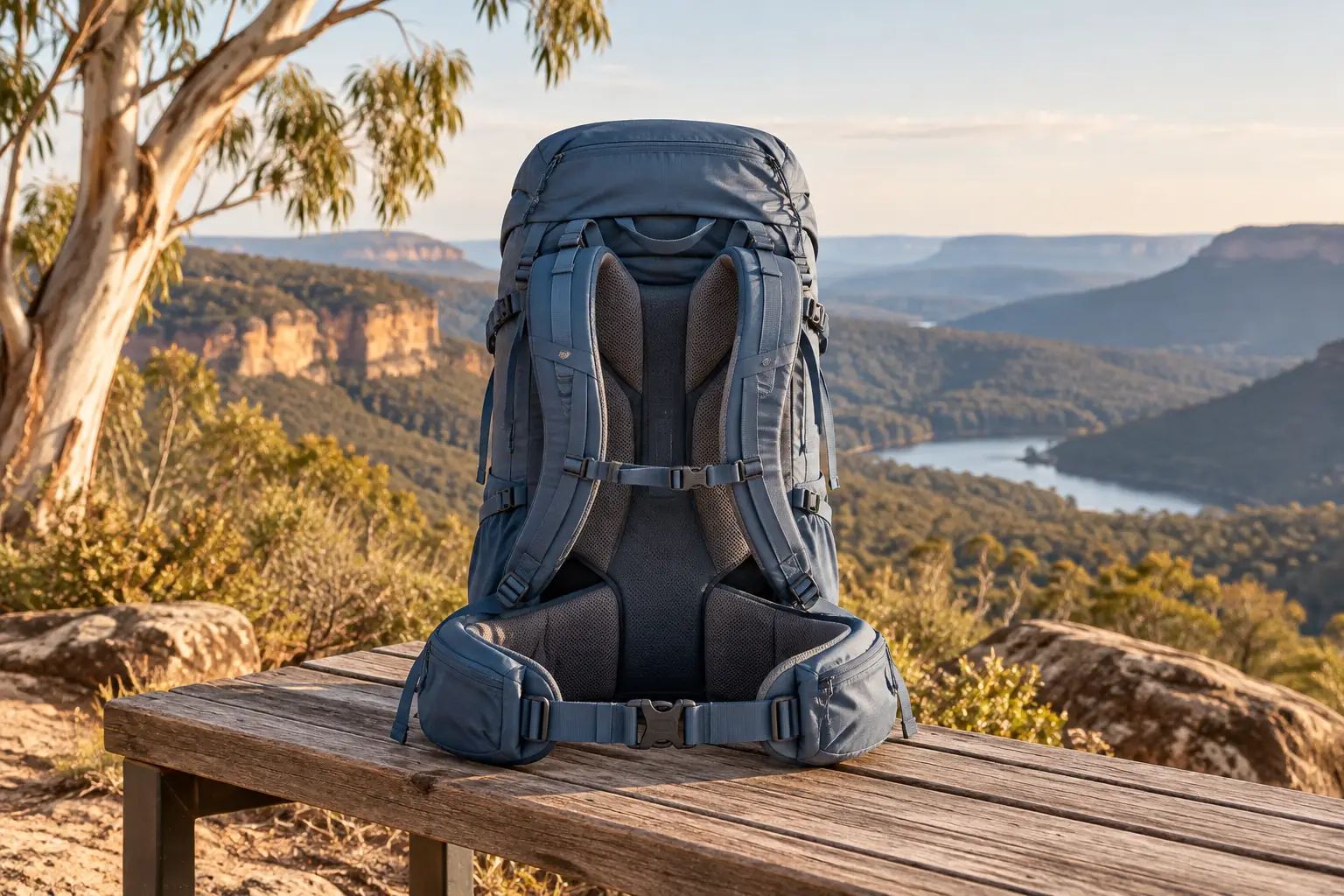
Bring the actual trip brief and a documented trial configuration to a pack fitting, keeping personal observations distinct from load advice.
Read the guide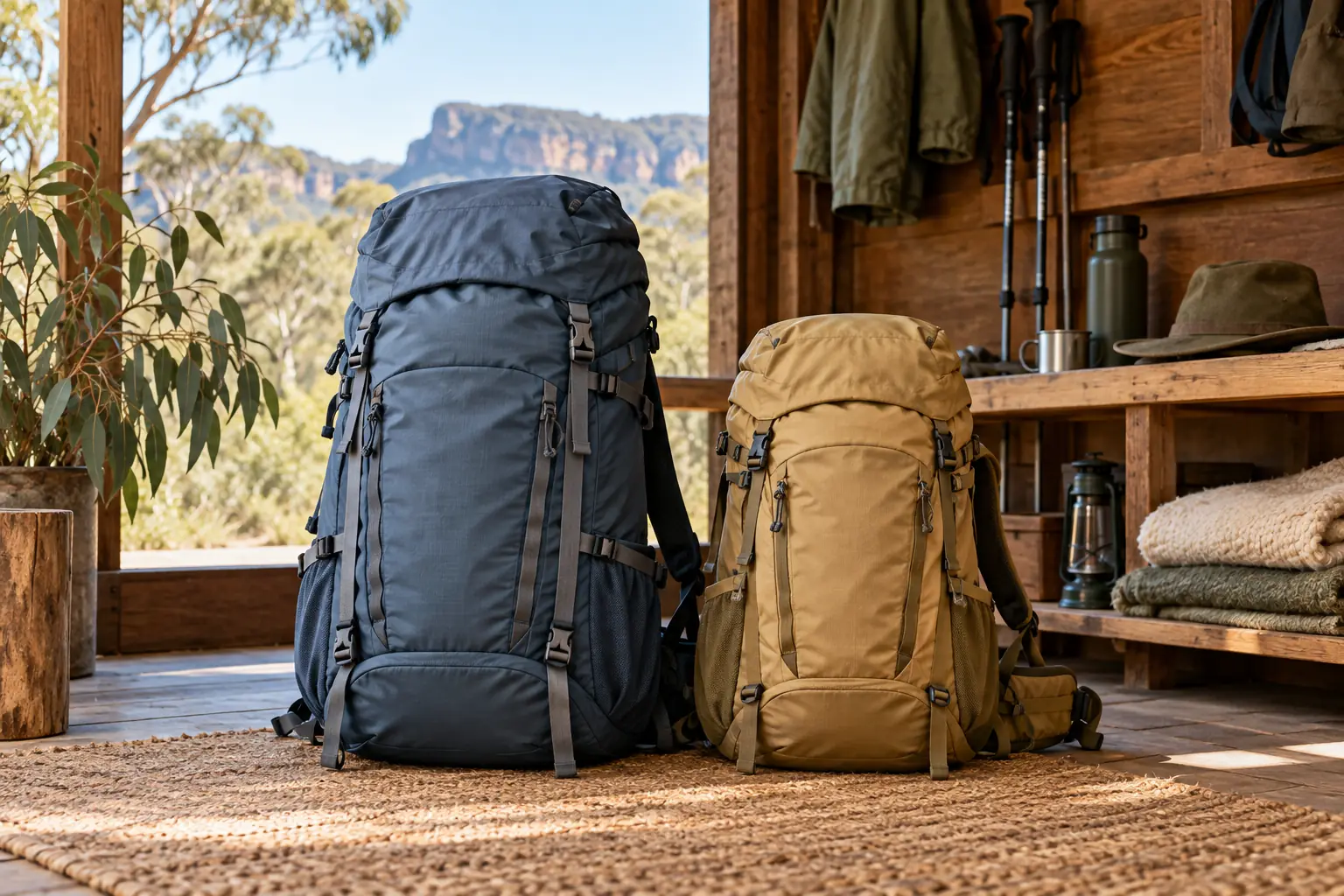
Use a litre figure to organise a pack enquiry while checking the actual equipment, shape, access and fit separately.
Read the guide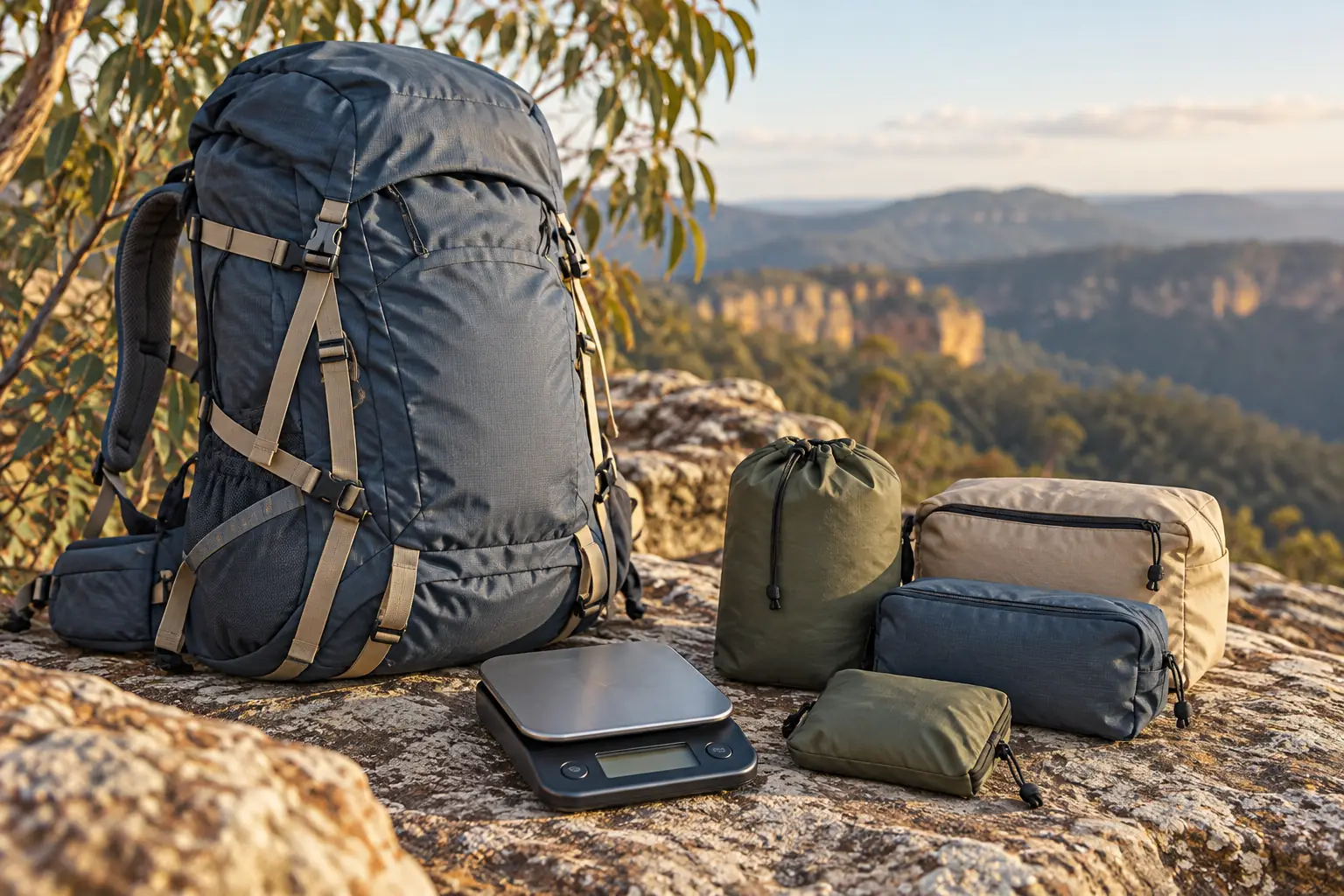
Add measured item masses transparently and keep the result separate from safe-load advice or a complete packing list.
Read the guide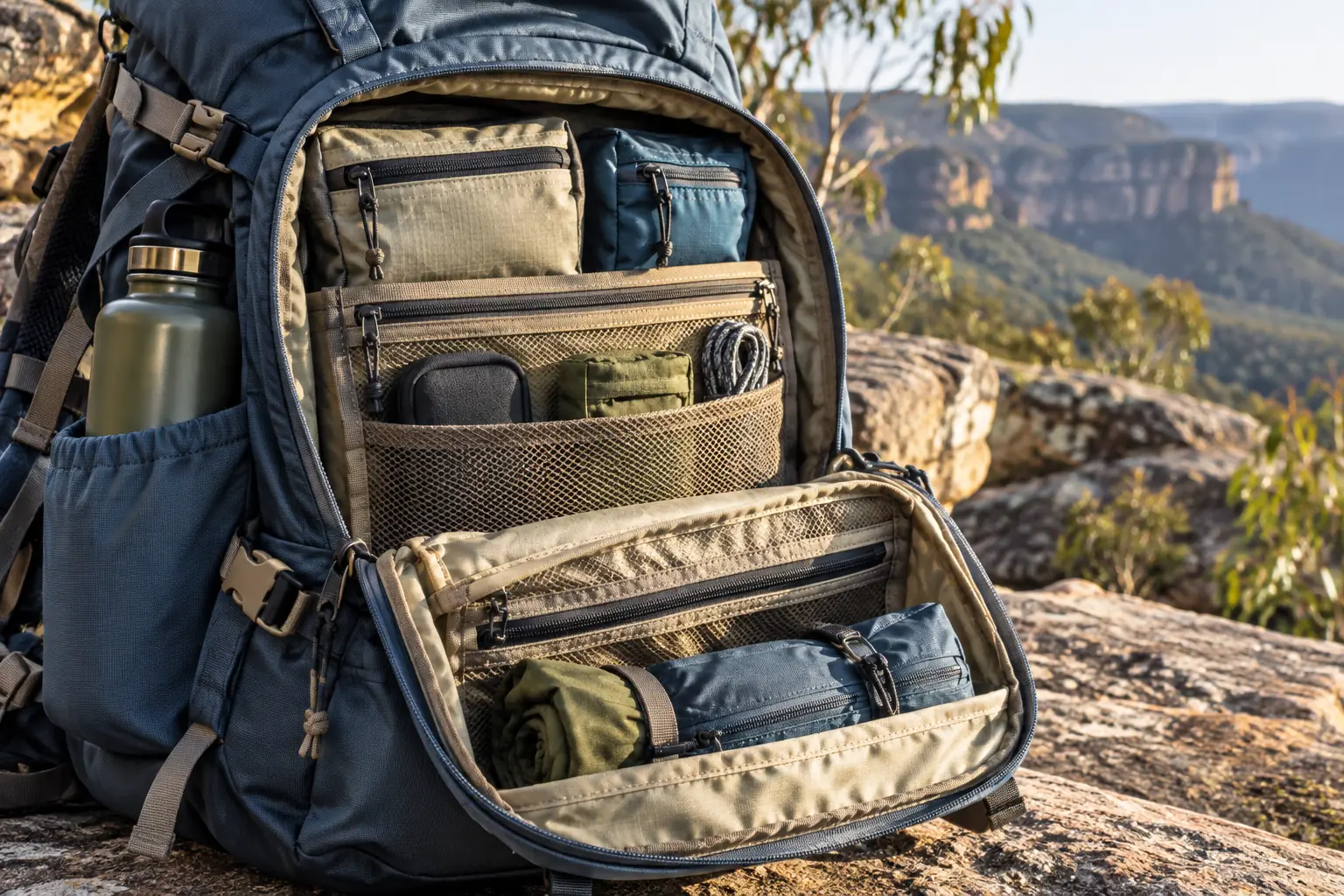
Compare pack openings, pockets and organisation through your actual task list while keeping fit and weather protection as separate questions.
Read the guide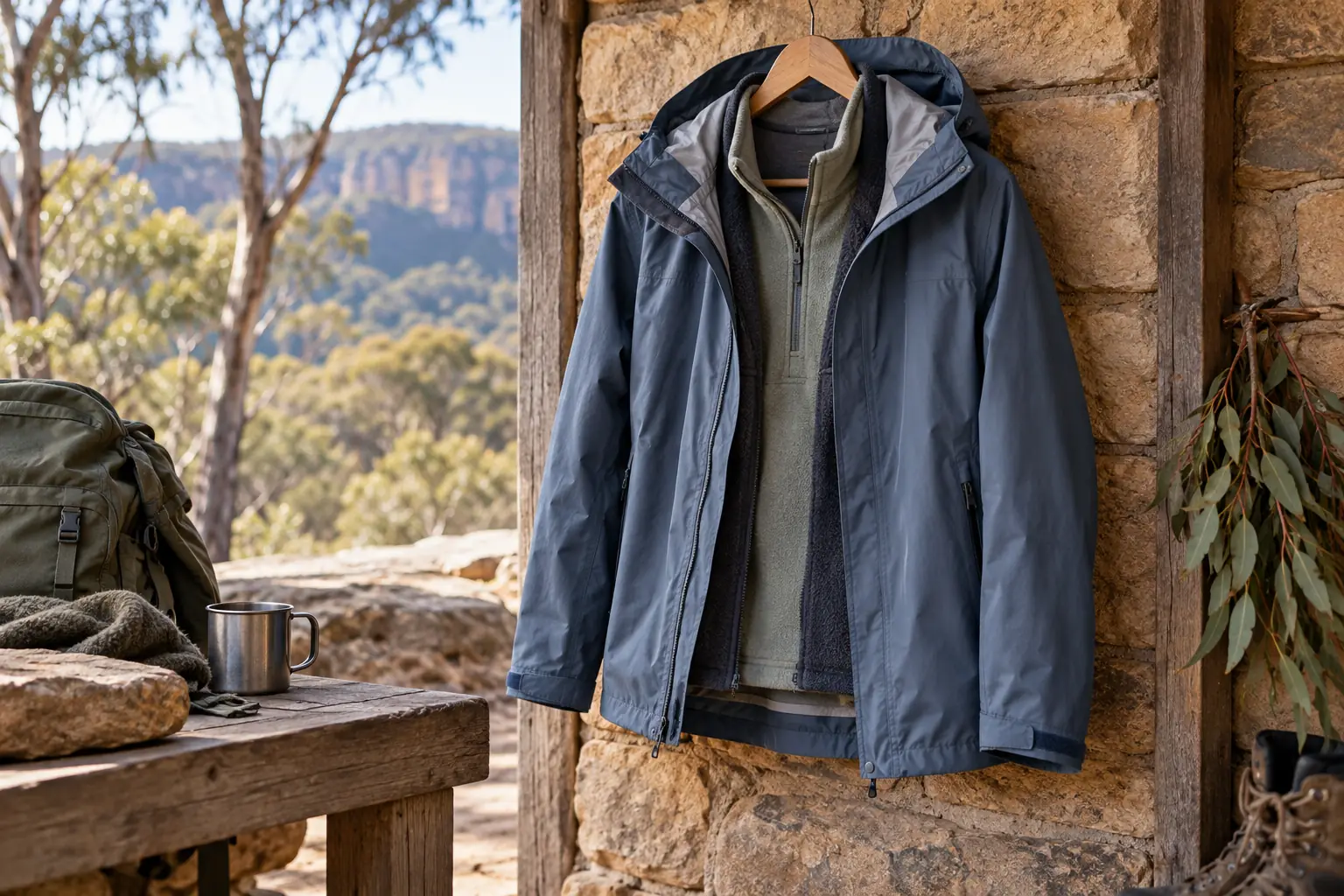
Assess a rain layer with the intended clothing underneath and keep garment features separate from untested weather-performance claims.
Read the guide
Keep dated official weather and park information beside the gear enquiry without converting a forecast into a product guarantee.
Read the guide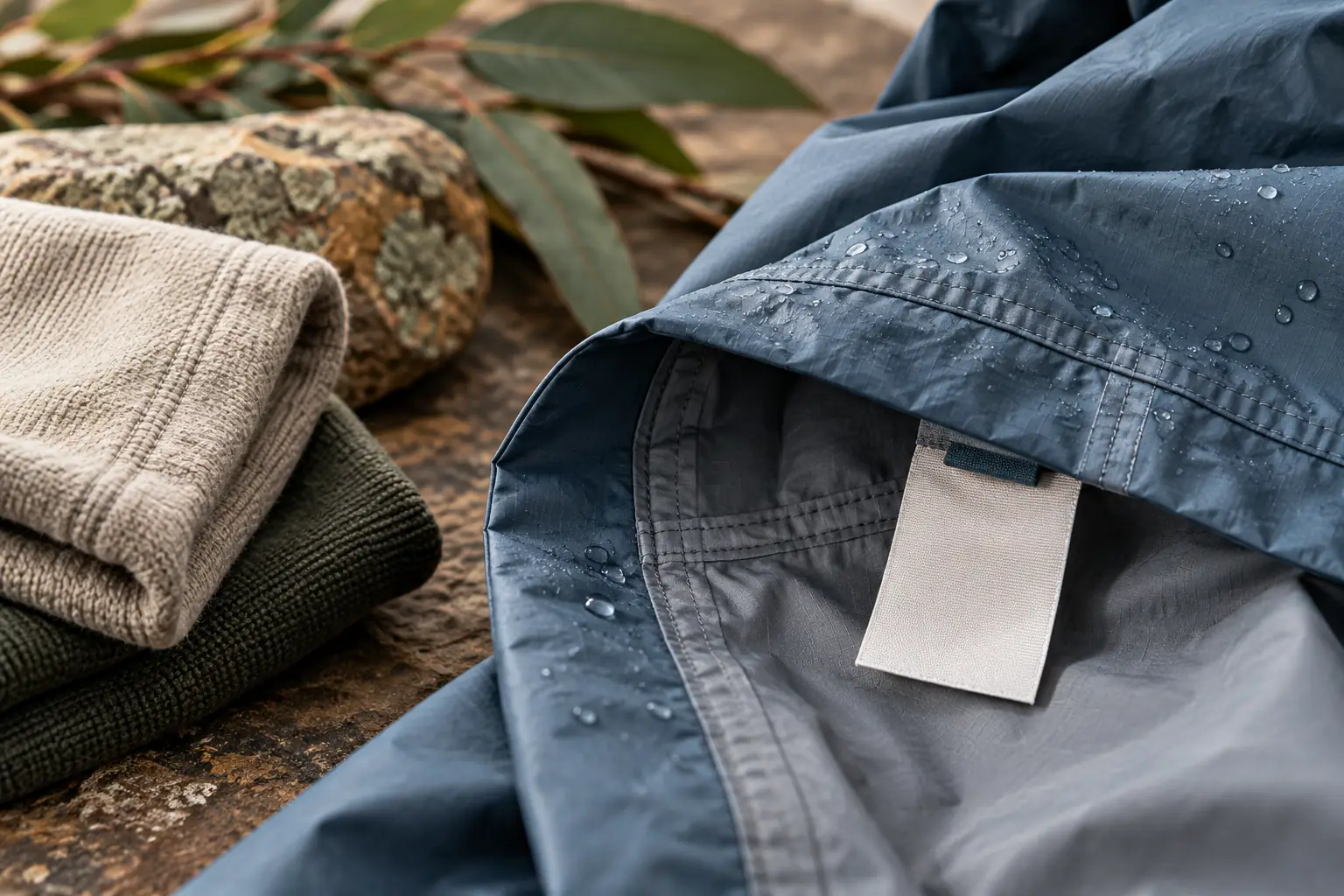
Use the exact rain jacket's care label and official support information before choosing a wash or treatment product.
Read the guide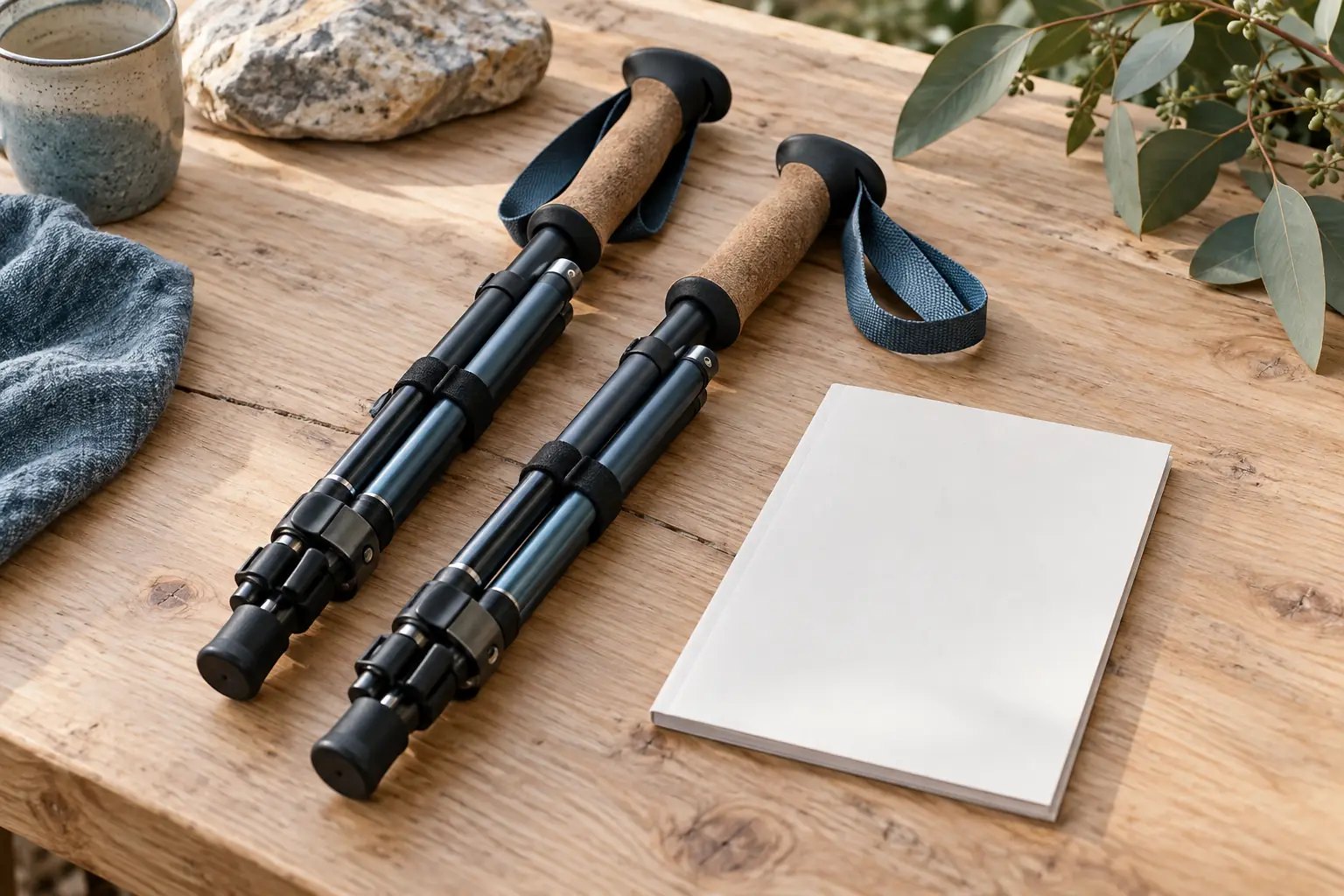
Identify the exact pole model and its official instructions before comparing adjustment systems or accessories.
Read the guide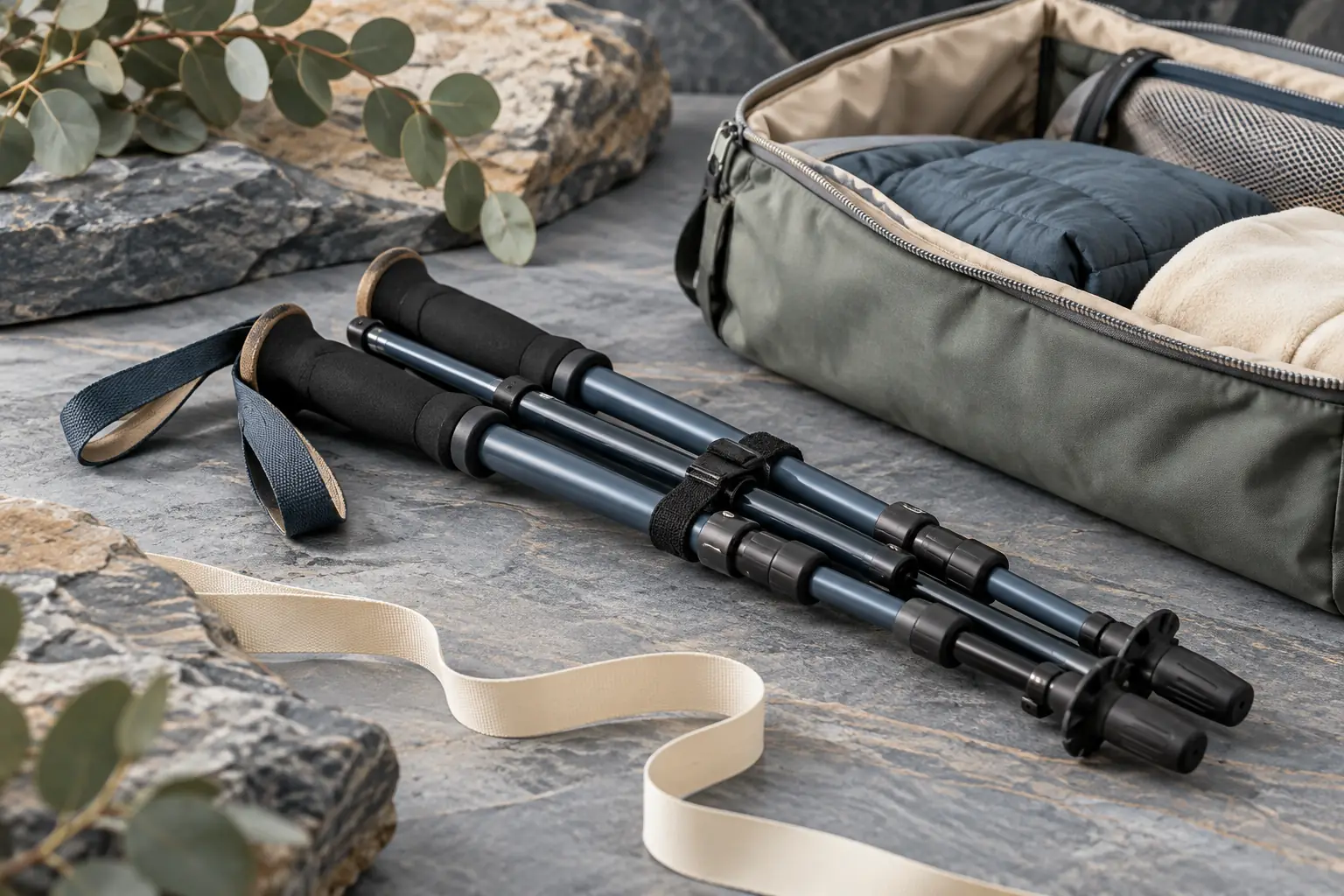
Compare documented packed dimensions with actual storage constraints without confusing compactness with suitability.
Read the guide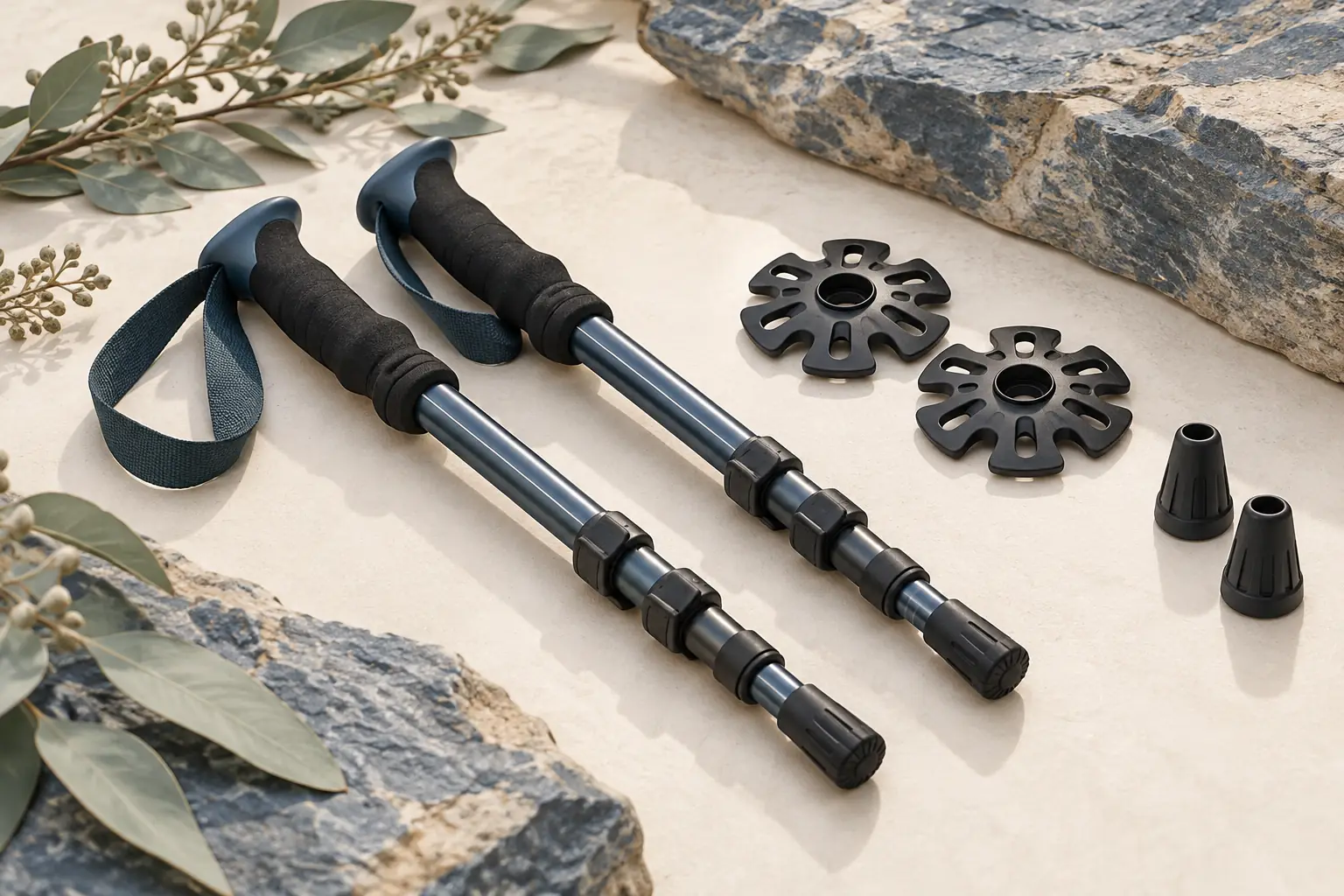
Match trekking-pole tips, baskets and replacement components to exact model documentation before comparing prices.
Read the guide
Use the official walking-track grade to organise questions about the intended route and current conditions.
Read the guide
Calculate average speed from a completed observation while keeping that arithmetic separate from future walking plans.
Read the guide
Build an AUD purchase scenario from documented quotes while leaving unknown costs visible and distinguishing borrowed equipment.
Read the guide
Keep a precise personal gear observation without turning one outing into a product test or universal recommendation.
Read the guide
Prepare model details, condition photographs and questions for an official outdoor-gear repair assessment without assuming a free repair.
Read the guide
Keep exact model, package, delivery and support information together so hiking-gear offers can be compared honestly.
Read the guide