Prepare a clear outdoor-gear repair enquiry
Prepare model details, condition photographs and questions for an official outdoor-gear repair assessment without assuming a free repair.
Updated:
Make the item easy to identify
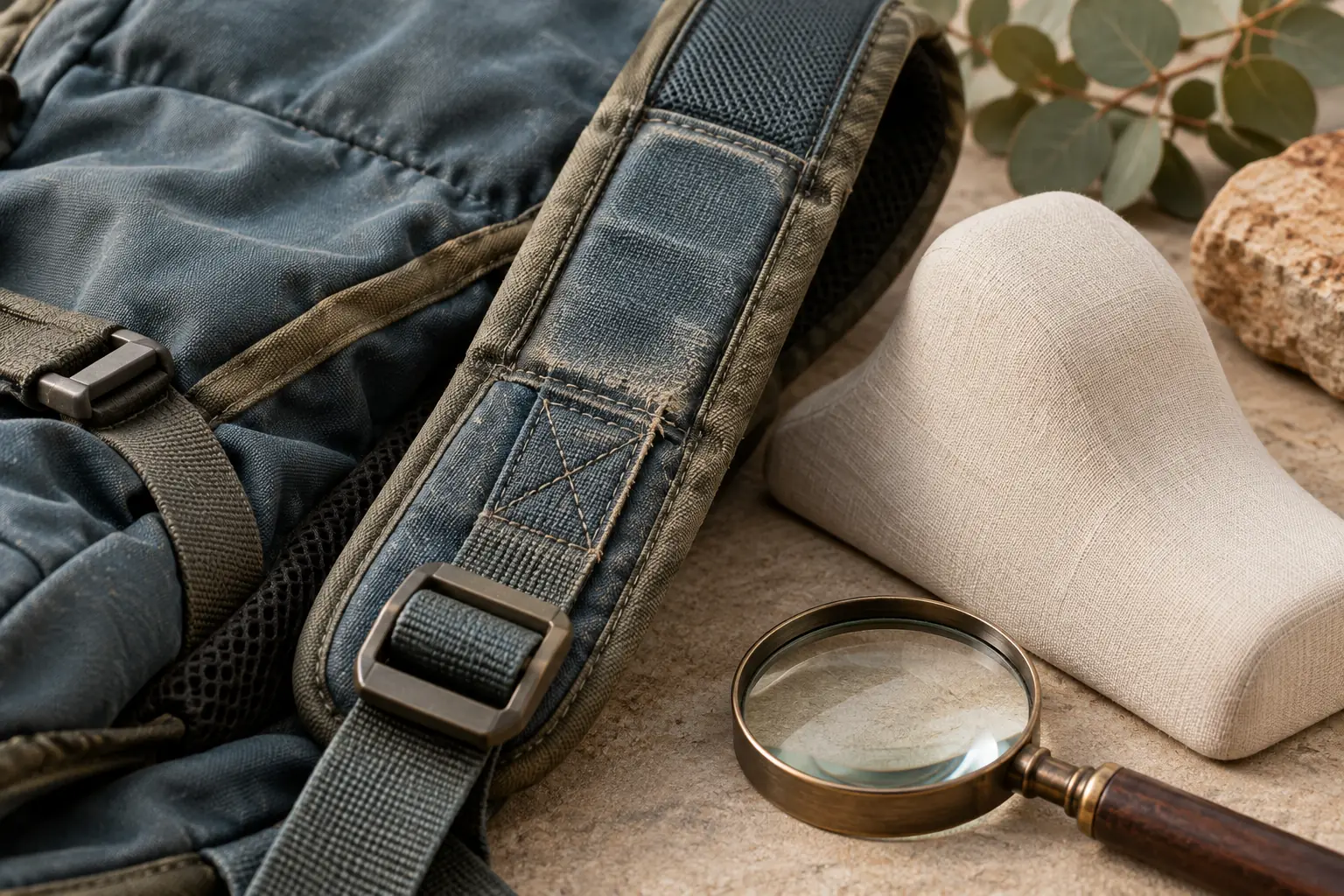
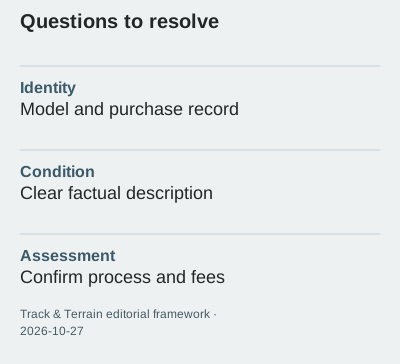
A repair enquiry begins with the exact item and a factual description of the concern. Locate the model information and any purchase record you have, then describe the visible condition without guessing at the cause. Keep photographs clear and relevant to the question. This guide helps prepare an enquiry; it does not diagnose a failure, provide a repair procedure or determine warranty coverage. The responsible manufacturer or repair service needs to assess the actual item and the applicable circumstances before an outcome can be established.
Read the provider's current process
Kathmandu Australia's repair-support page, checked on 2026-10-27, describes assessment and possible fees rather than promising every item can be repaired free of charge. It also asks for items to be clean for assessment. Consult the exact current process and ask how it applies to your product. Do not transfer one company's procedure to another brand. Save the official response, including any instructions about submission, transport or charges, and clarify uncertainties before sending an item or accepting work.
Describe condition without inventing a diagnosis
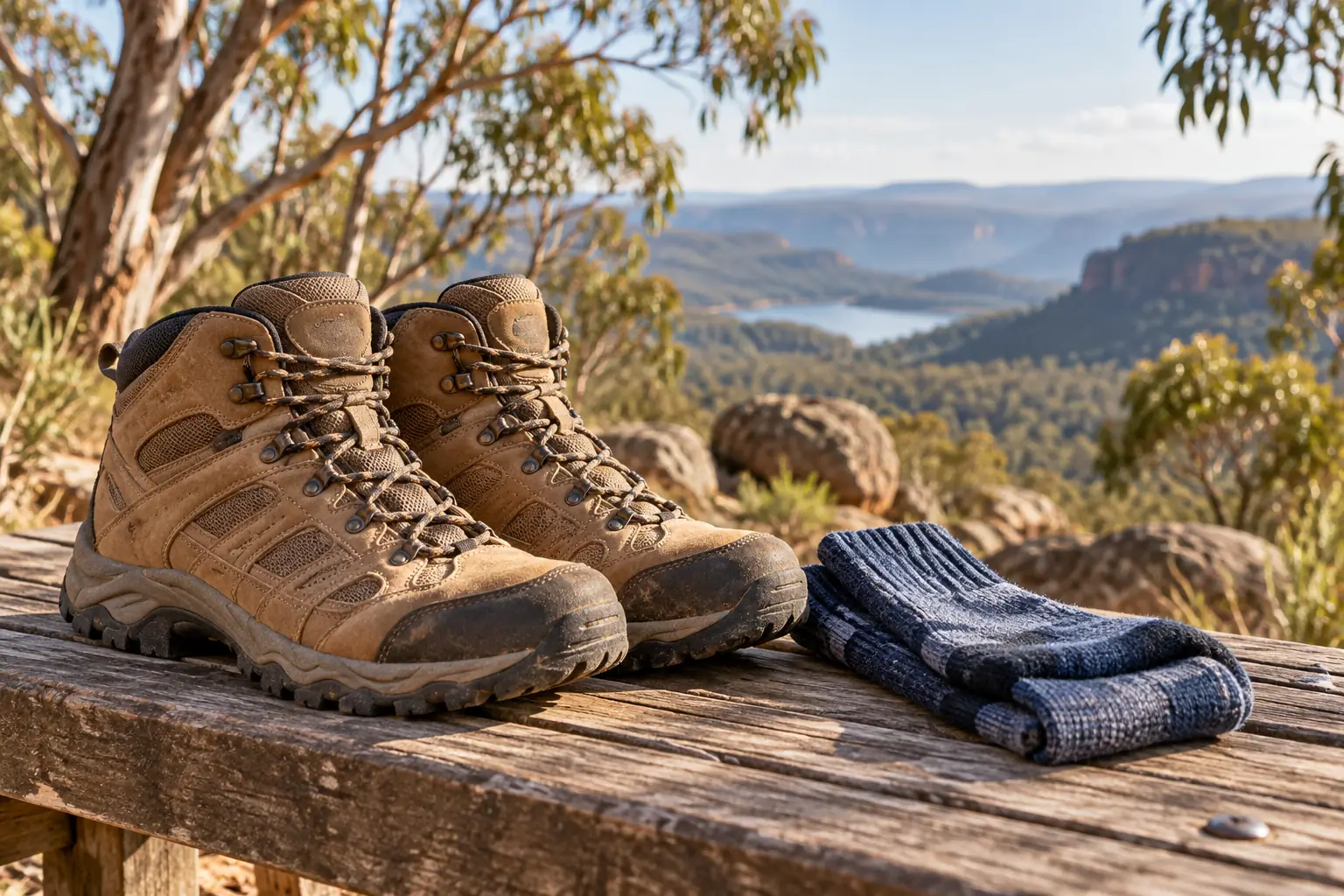
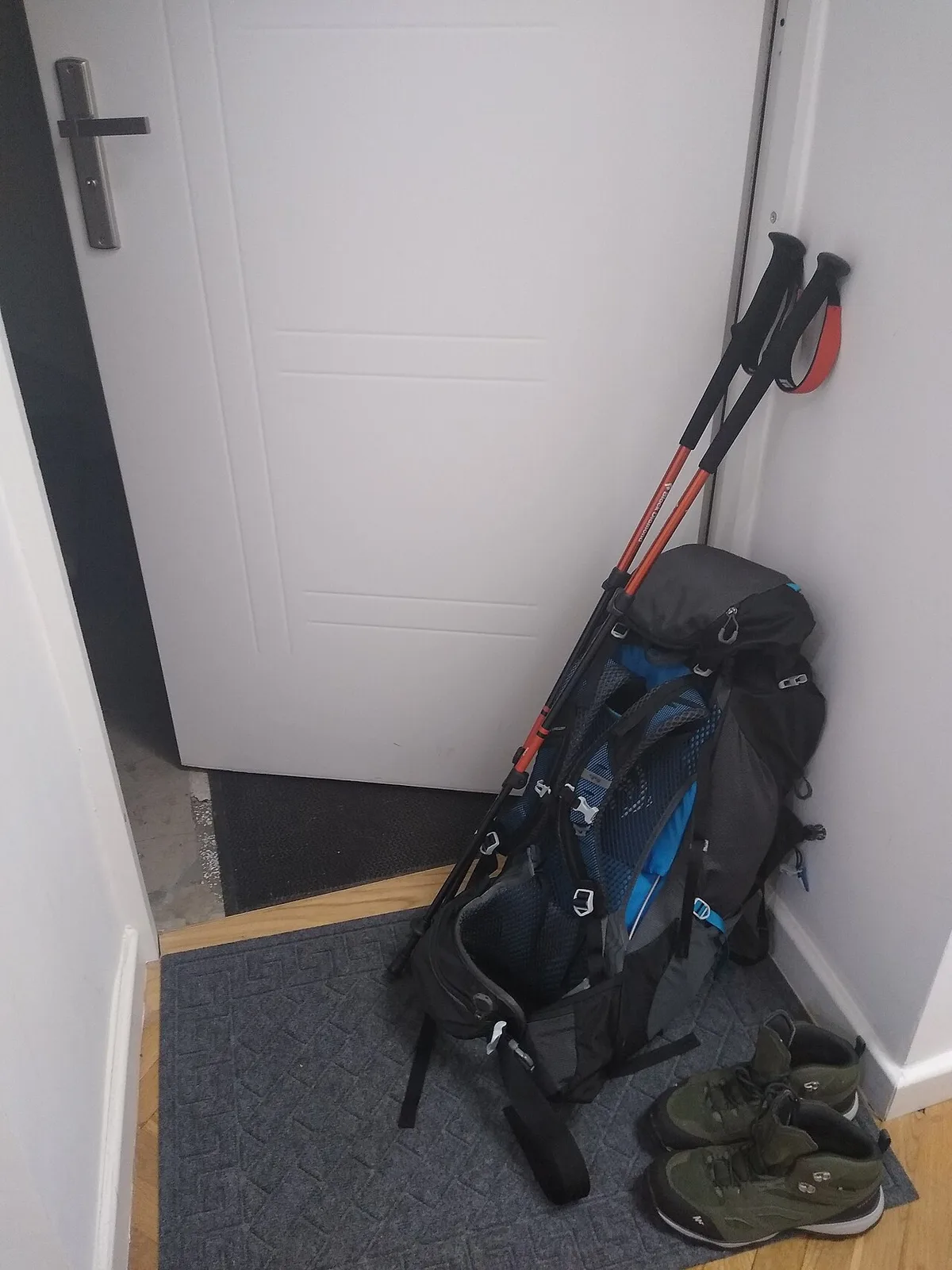
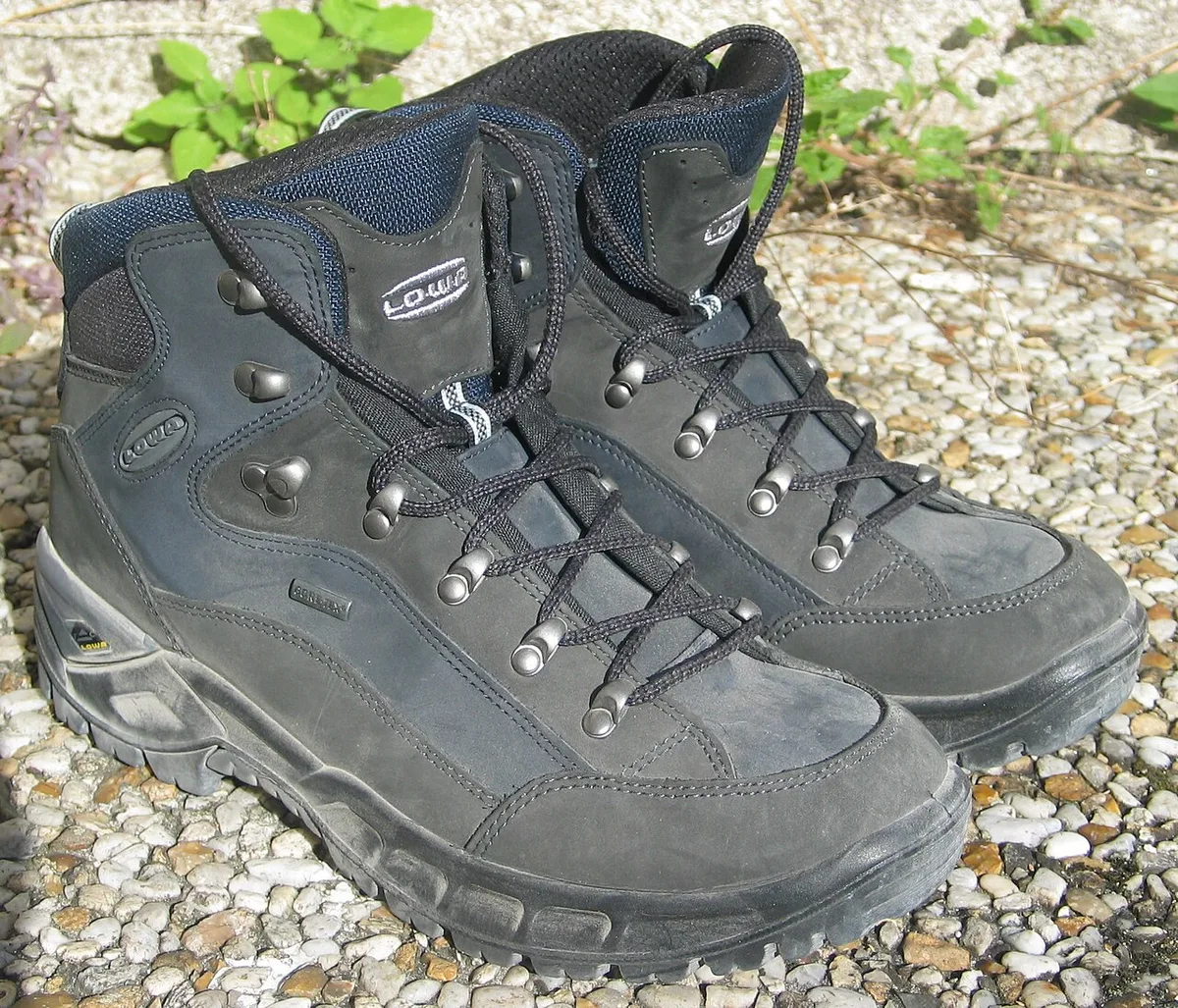
Separate what you can see from what you believe caused it. A seam opening, a damaged component or a change in operation can be described without asserting a manufacturing defect. If the concern affects whether the item should be used, seek the relevant advice rather than treating a buying guide as clearance. The real equipment photographs here are reference images, not examples assessed by a repairer. The generated lead image is conceptual and does not document a completed repair or a recommended method.
Keep an estimate distinct from an authorised cost
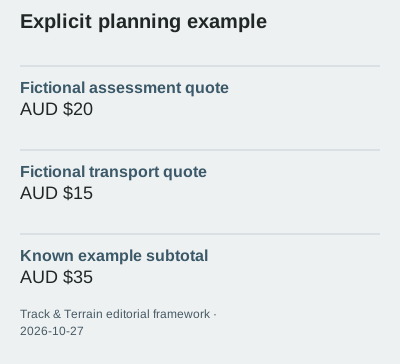
For a fictional example, an AUD $20 assessment quote and AUD $15 transport quote produce an AUD $35 known subtotal. These invented amounts exclude any repair charge and are not Kathmandu prices or current offers from another provider. Transport is about 42.9% of this limited example subtotal, which says nothing about value or the eventual bill. Record the real scope and ask which additional costs require agreement. Do not present an incomplete subtotal as a final repair price or assume assessment guarantees a successful outcome.
Ask about the result and its limits
A useful enquiry asks what happens if repair is unavailable, whether a quote will be provided and how the item will be returned. Obtain current timing information directly rather than relying on a general article as a delivery promise. Retain the response with the case reference where one exists. Keep any explanation of warranty or other rights tied to the applicable official information; this publication does not decide an individual entitlement. A clear administrative record supports the conversation without prejudging the assessment.

Preserve the final record for later decisions
When a response arrives, record what was actually assessed, what was proposed and what remains unresolved. If work is completed, retain the provider's description rather than inventing a restored-performance claim. Track & Terrain has not inspected or repaired your equipment. The purpose of the enquiry record is to reduce ambiguity about the item, process and costs. It can support a considered next step while leaving technical assessment and any assurance about the resulting condition with the qualified provider and the relevant documentation.