Choose hiking footwear from a walk brief, not a label
A clear walk brief connects the track description, terrain and fitting questions before a footwear shortlist begins.
Updated:
Start with the walk you intend to do
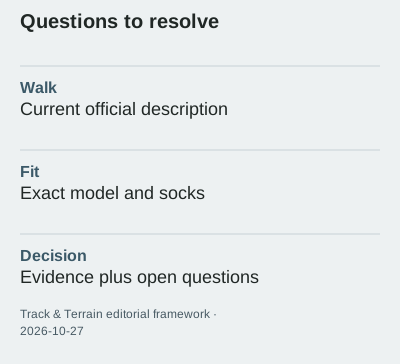
A hiking-footwear comparison becomes more useful when it begins with a specific walk description rather than a product category. Record the official route name, intended date and the terrain information supplied by the park manager. Keep the current alerts separate from a saved description because the situation can change. This is a shopping brief, not a complete trip plan or a statement that you are prepared for the route. If the walk's demands are unclear, seek clarification from the relevant park office or an appropriately experienced leader before treating gear as the answer.
Read the grade at its actual scope
NSW National Parks explains that its walking-track grade follows the most difficult of five assessed criteria rather than an average. The page was checked on 2026-10-27. A single grade therefore deserves reading alongside the fuller route description; it is not a footwear size, a comfort rating or a guarantee about present conditions. Note the features that raise questions for your purchase, such as the described surface or steps. Do not infer that choosing a boot marketed for a similar grade establishes your ability to undertake the walk.
Bring the intended configuration to the fitting
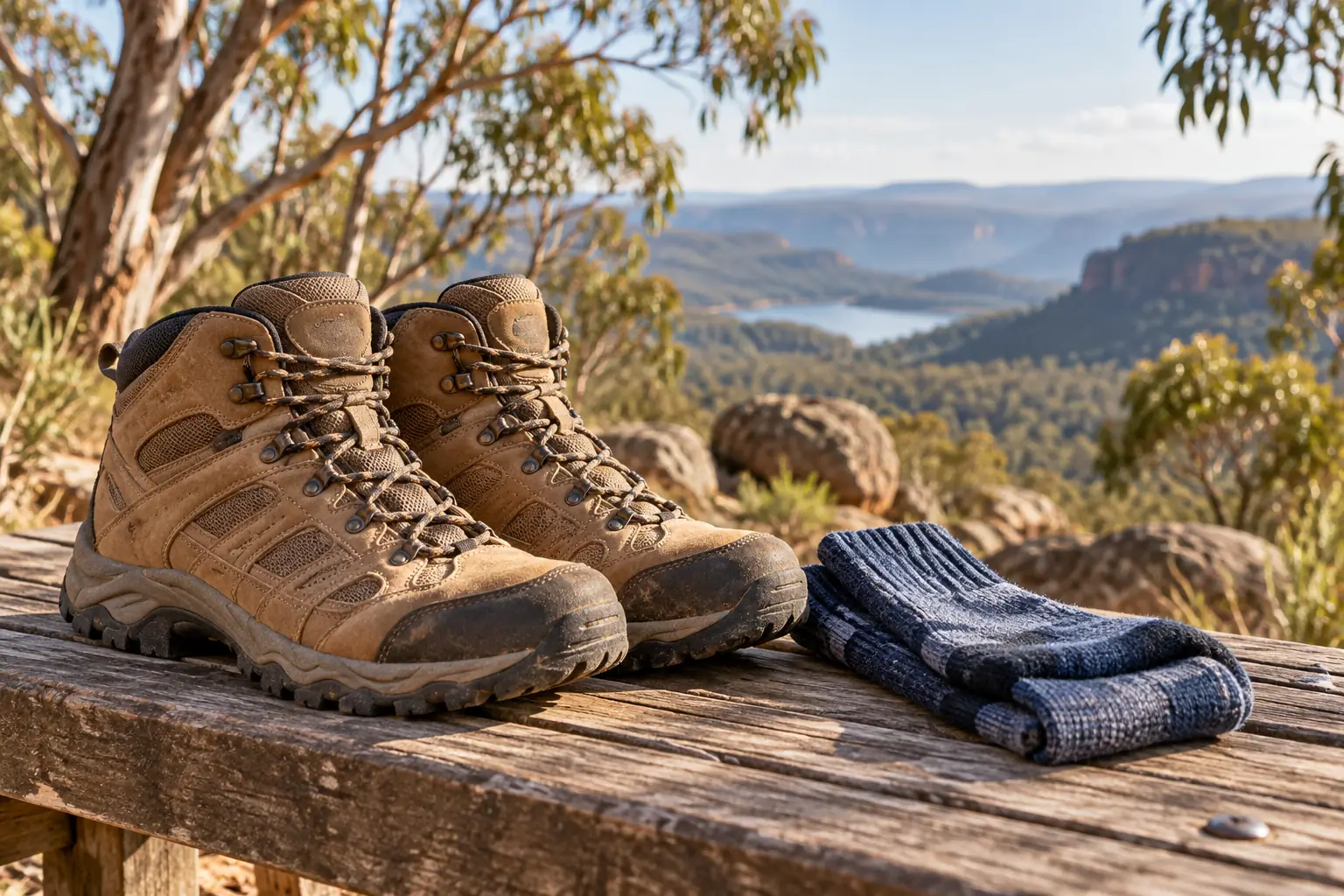
Bushwalking Victoria's footwear guidance recommends trying footwear with walking socks and notes that sizing can differ between brands and models. Use those points to organise a fitting rather than applying a universal size conversion. Tell the retailer about the intended walk and any equipment you normally use with the footwear. Record the exact model and configuration tried. This publication has not assessed your feet, observed your fitting or tested the products pictured. Persistent pain or an individual health concern belongs with an appropriate health professional, not a generic shopping calculation.
Separate observations from assumptions
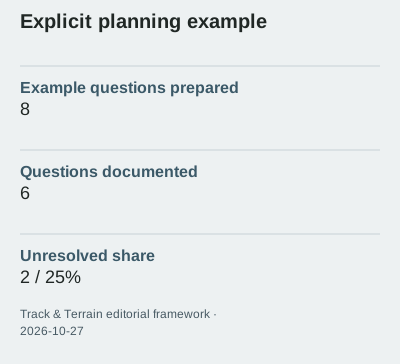
During a permitted shop trial, write down what you actually notice and what remains unknown. A short indoor observation is not evidence of long-distance comfort or performance in every condition. In an explicitly hypothetical enquiry sheet, six documented answers from eight questions leave two unresolved, or 25% of the list. That percentage describes the paperwork, not the suitability of the footwear. A single unanswered essential question may matter more than several convenient features. Keep the unresolved points visible instead of producing a reassuring average score.
Keep the complete quote beside the model
If an accessory is proposed, ask why it is needed and whether it is compatible with the exact setup. For a fictional budget illustration, an AUD $220 footwear quote plus AUD $30 for an additional item totals AUD $250. These are invented amounts for arithmetic, not current Australian prices or a recommendation to buy the extra. The price difference cannot settle a fit or terrain question. Save a current seller quote with its date, package details and relevant terms only after you know which product configuration you are comparing.

Leave with a brief you can revisit
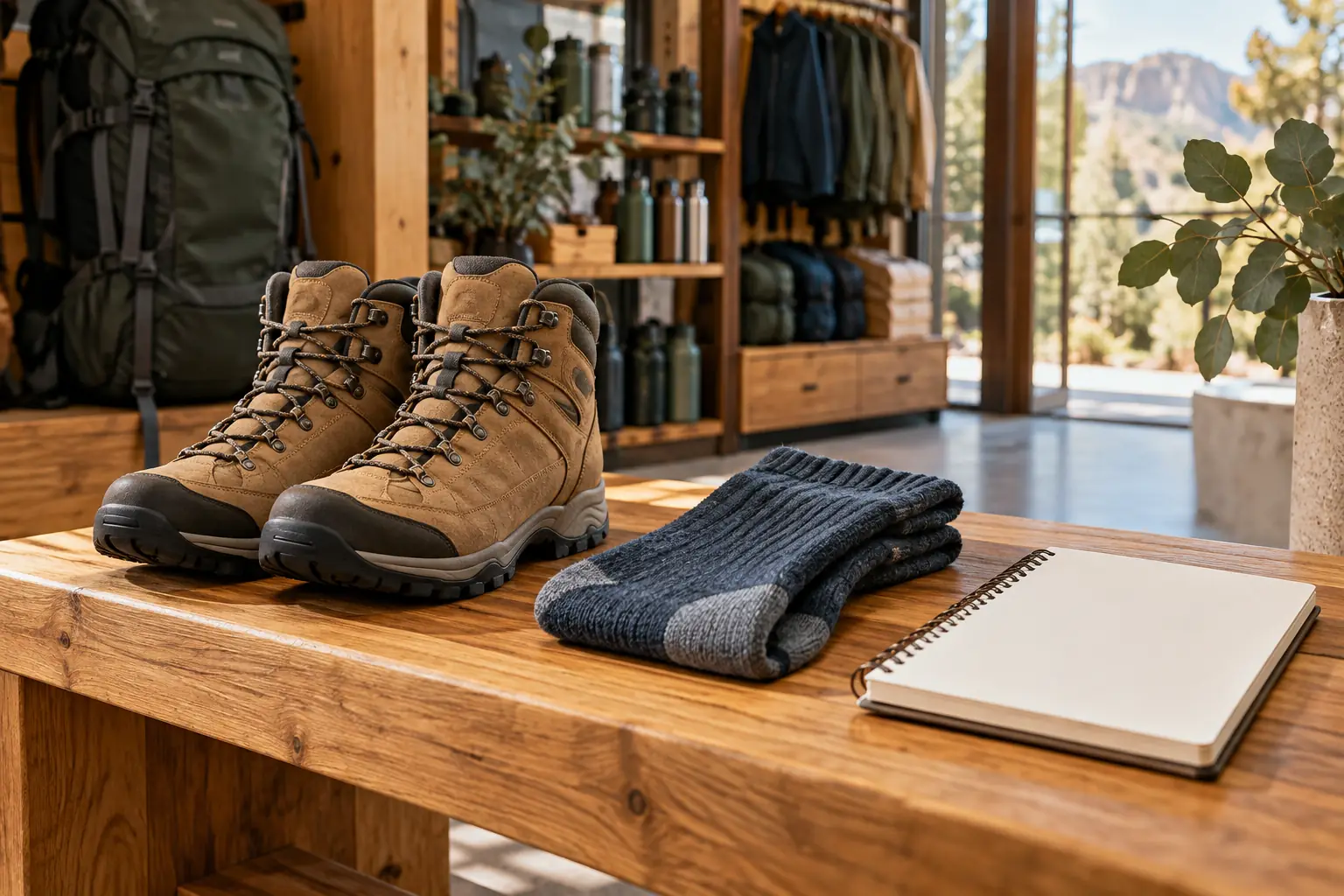
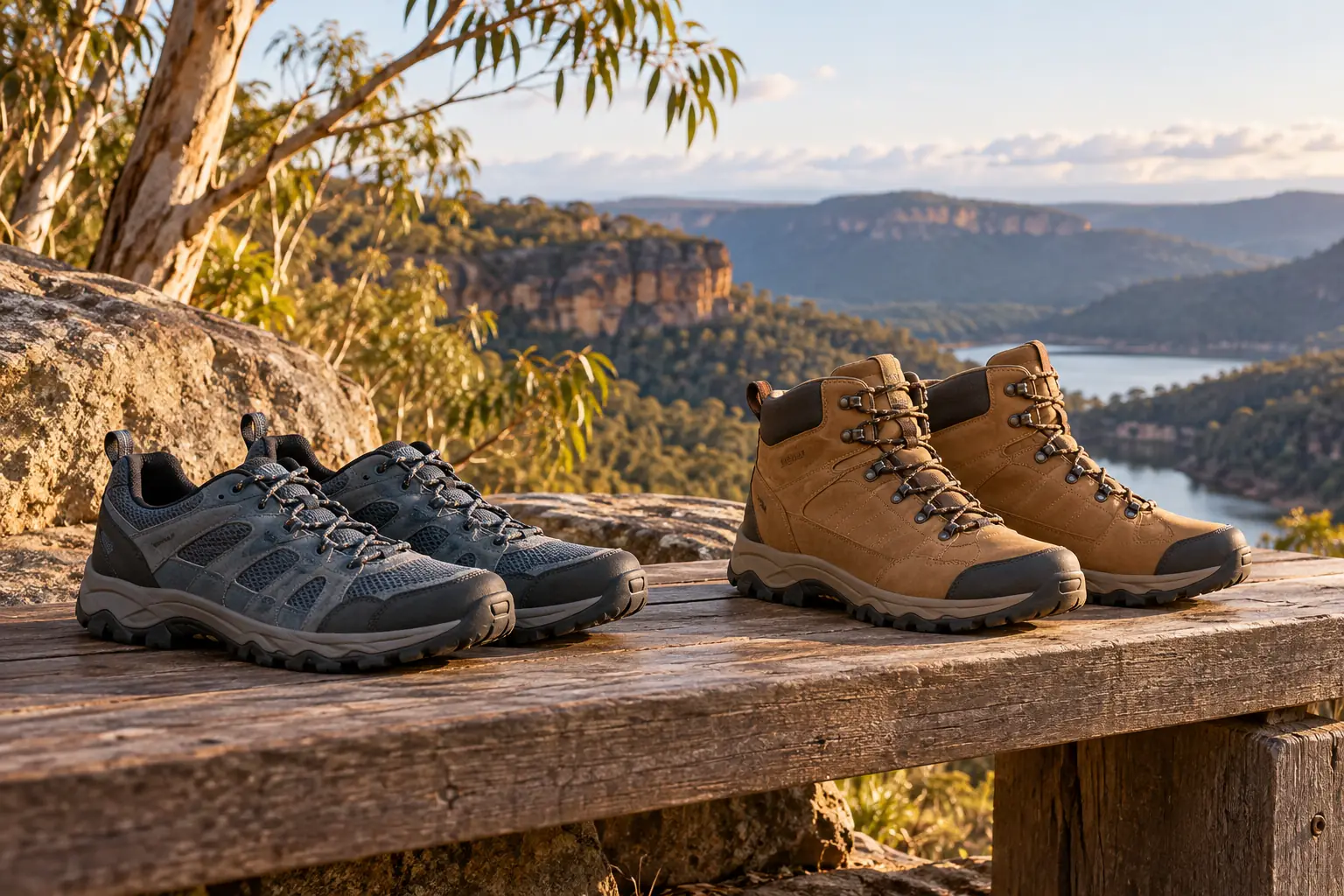
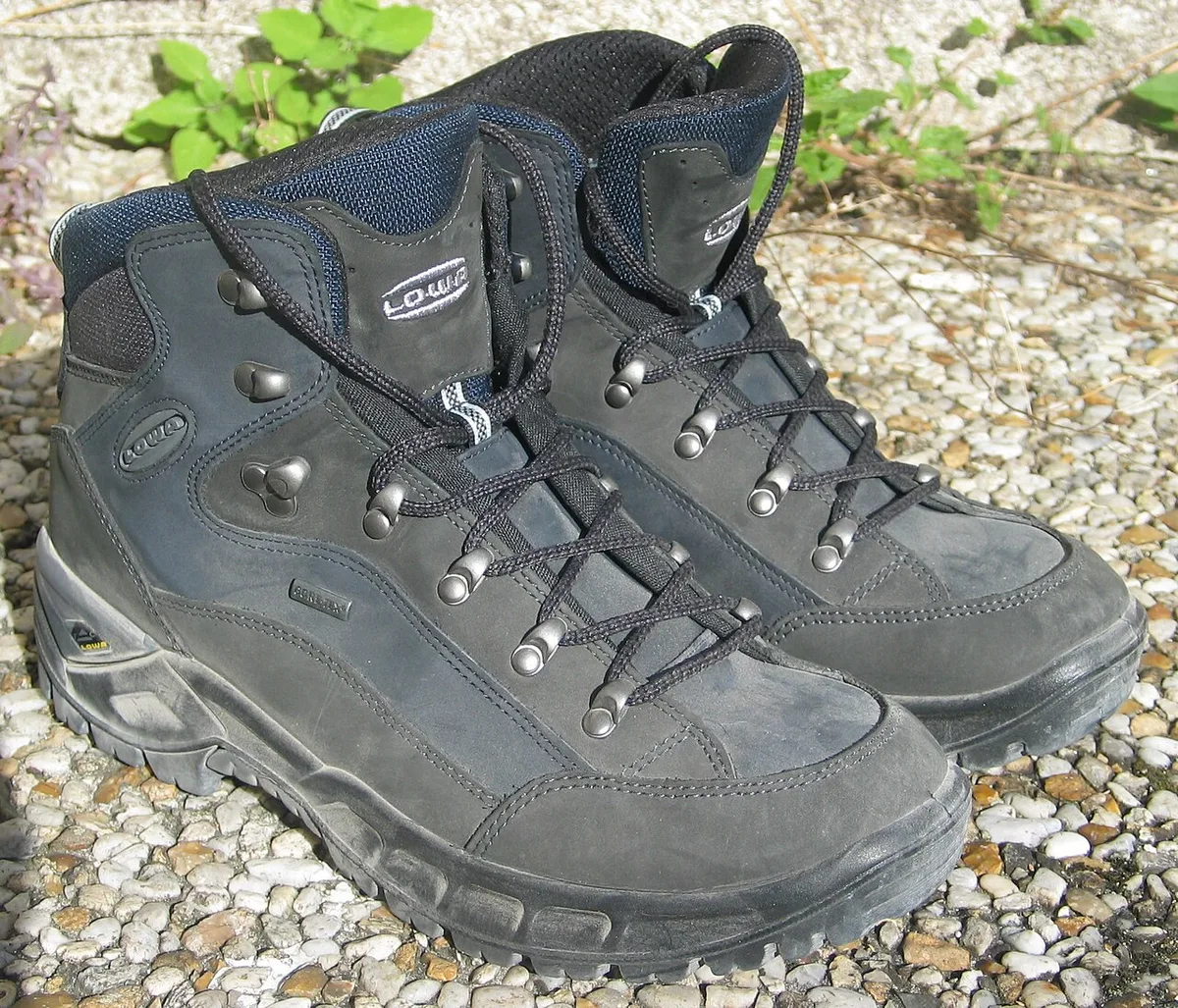
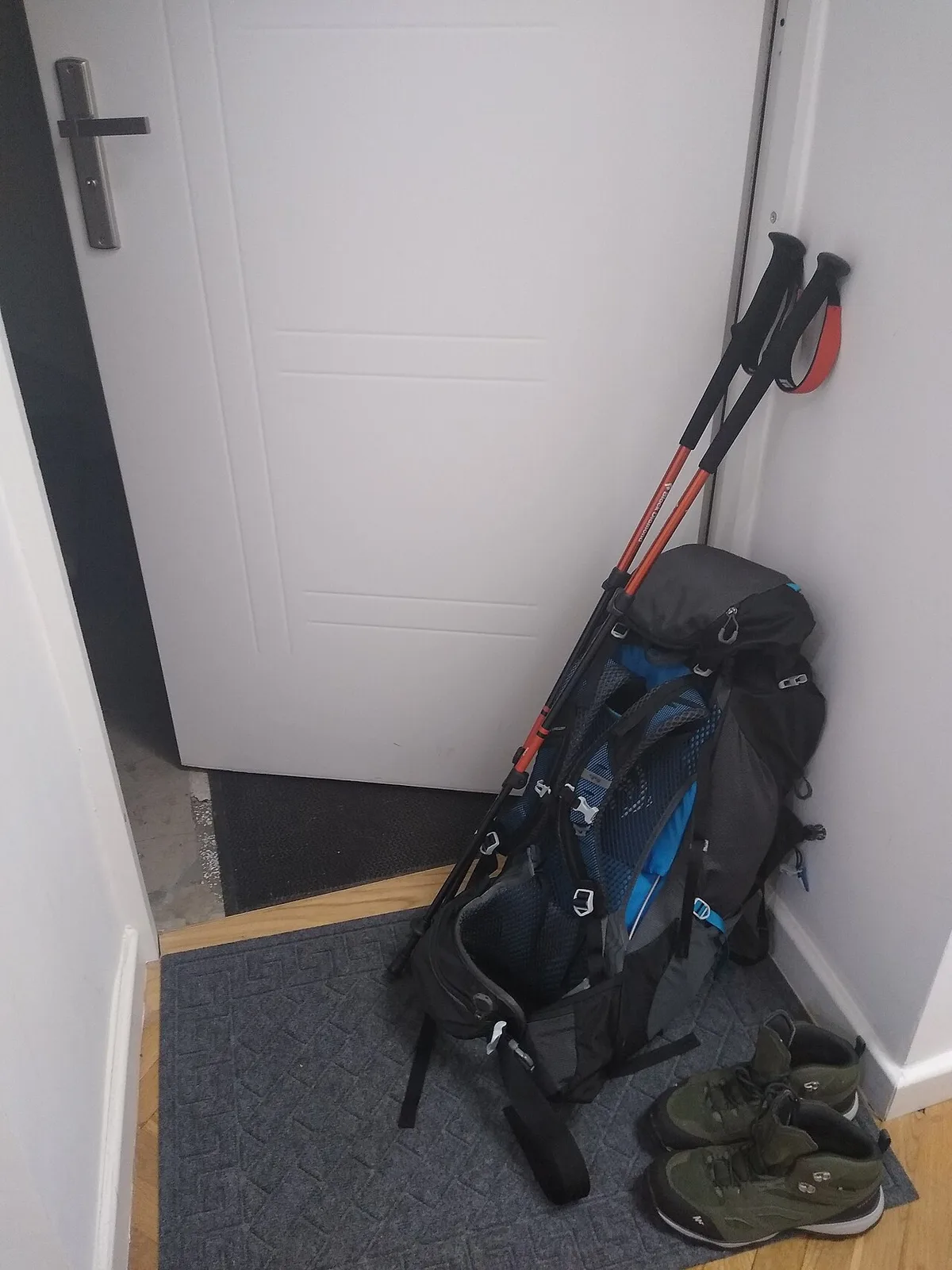
Your finished record should connect the official walk information, fitting observations, model details and open questions. The real boot photograph shows physical construction, the pack photograph shows equipment as separate items and the retracted poles illustrate that accessories have their own specifications. None proves a complete or safe kit for your trip. The generated lead image is a generic concept, not a named trail or a product test. Revisit the brief if the route, conditions or intended use changes. A documented choice is easier to explain and reconsider than a purchase based on a label alone.
Bushwalking Victoria: Footwear and gaiters ? NSW National Parks: Walking Track Grading System ?