Bring the intended socks into the footwear decision
Treat socks as part of the footwear configuration and compare their documented details alongside your own fitting observations.
Updated:
Include socks in the footwear conversation
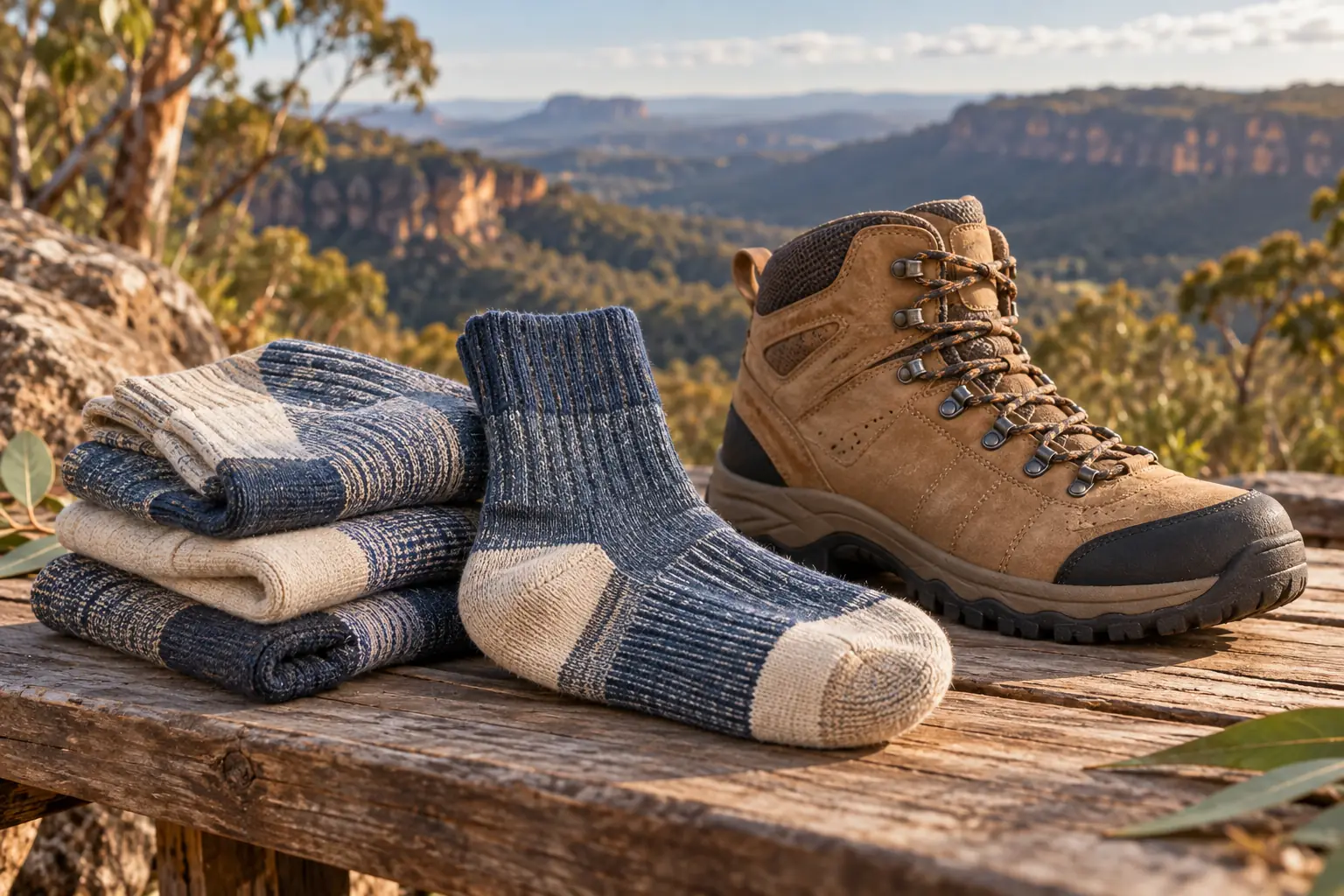
Socks are easy to treat as a small extra at checkout, but they are part of the configuration you try inside the footwear. Identify the pair you expect to use and bring it into the fitting discussion. The purpose is to make the comparison consistent, not to declare one material or thickness best for every walker. Record the actual product details and your own observations. A generic photograph or an attractive packaging claim cannot establish individual comfort, compatibility with a particular shoe or performance over a long walk.
Keep the trial configuration consistent
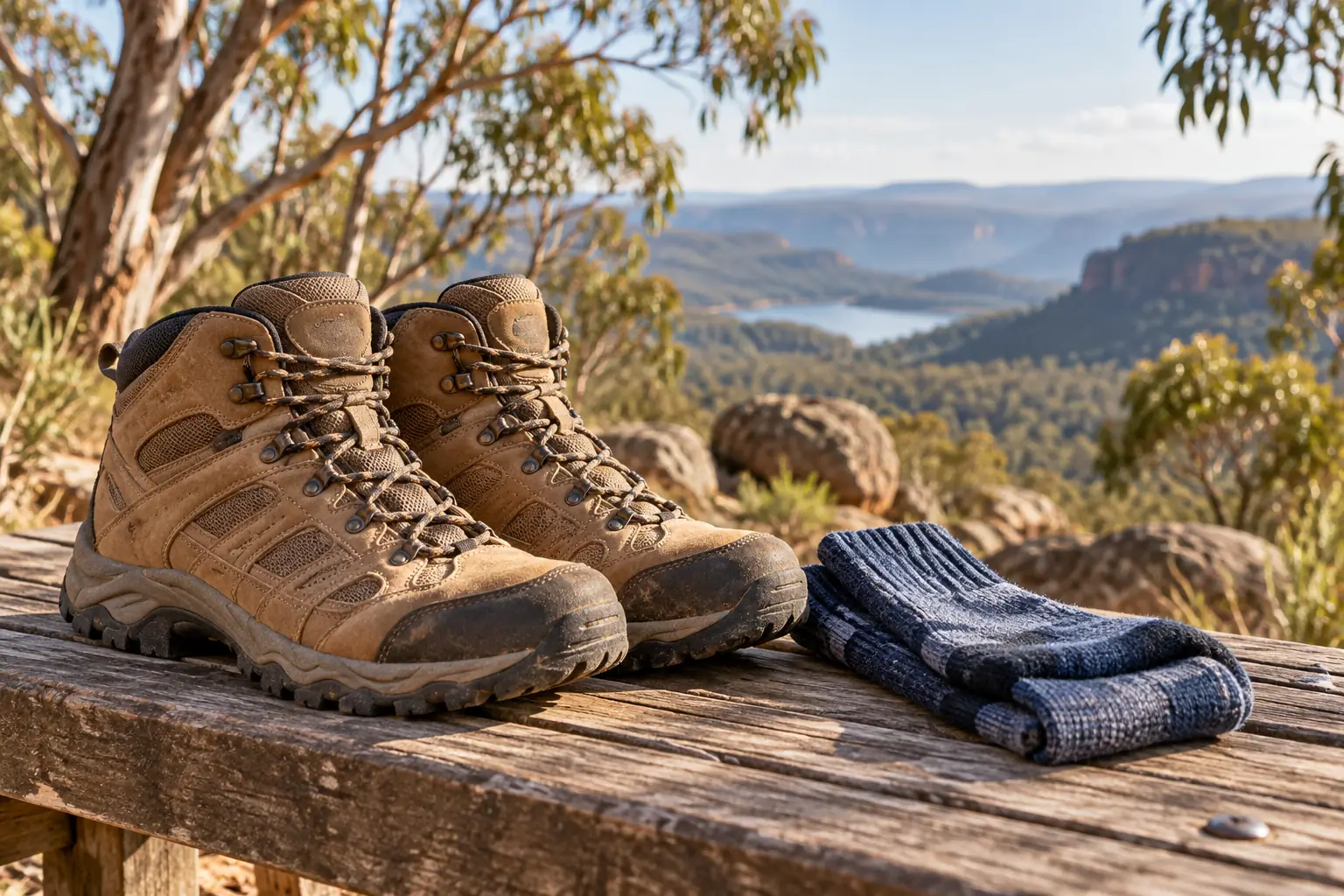
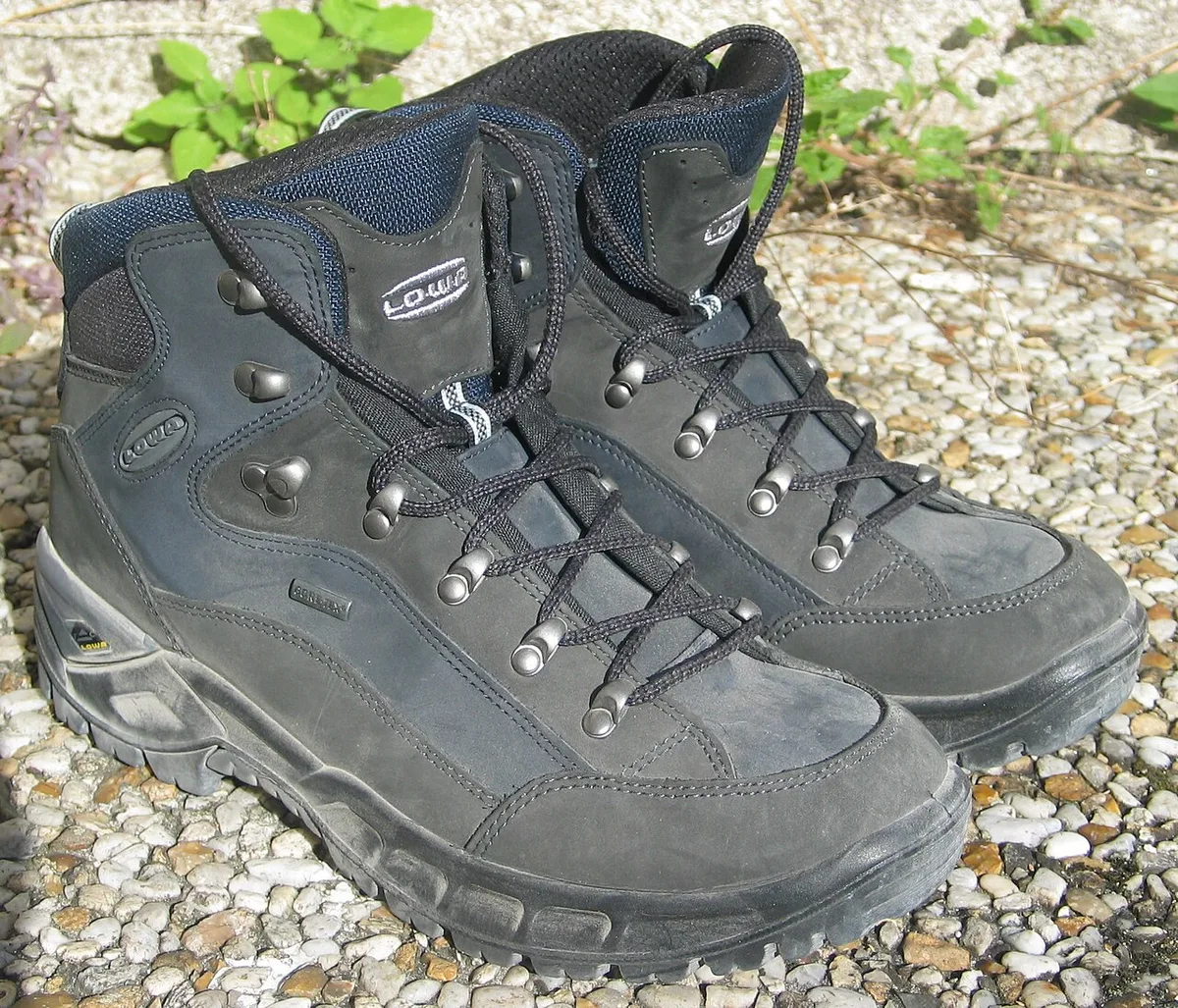
Bushwalking Victoria's footwear guidance, reviewed on 2026-10-27, includes taking walking socks when trying footwear. Use that practical point to avoid comparing one model with one setup and another with a different setup without noticing the change. If you do change socks during a permitted shop trial, write down which configuration produced each observation. Do not silently attribute every difference to the footwear. The real boot photograph illustrates construction only; it does not show the internal space available to your foot or the effect of a particular sock.
Read the actual product information
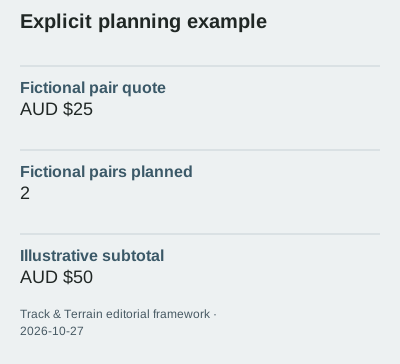
Look at the material description, size information and care label for the exact pair. Keep manufacturer claims in their stated scope and ask for clarification when a term is vague. This publication has not tested moisture handling, durability or blister prevention for the products under consideration. Avoid turning a material name into a health guarantee. If a claim matters to your decision, save the evidence supplied by the manufacturer and note any conditions. Your personal comfort observation remains a separate kind of information from a laboratory or marketing statement.
Make the quantity assumption explicit
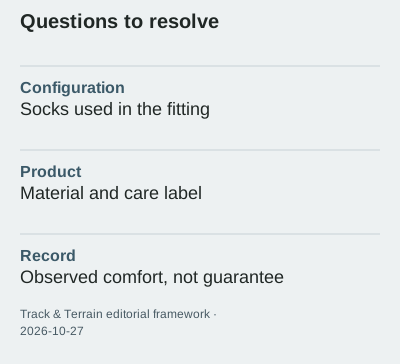
For a fictional budget example, two pairs at AUD $25 each would total AUD $50. One pair at that same invented price would be 50% of the two-pair subtotal. This is arithmetic, not a recommendation for how many socks to carry or purchase for a particular route. A trip's equipment requirements need their own informed assessment. Keep the quantity in your budget clearly labelled as an assumption until it reflects your actual plan. Do not omit necessary equipment simply to make a comparison total look more attractive.
Keep care and replacement separate
Read the care instructions before choosing a cleaning product or assuming that all socks can be handled in the same way. Save the label information with the purchase record if that will make it easier to find later. Do not invent a universal replacement interval from a price or a material description. Record observed condition and follow the applicable product guidance. A cheaper pair is not automatically equivalent to another product, and a more expensive pair is not proof of better results for your own configuration.

Write a modest conclusion
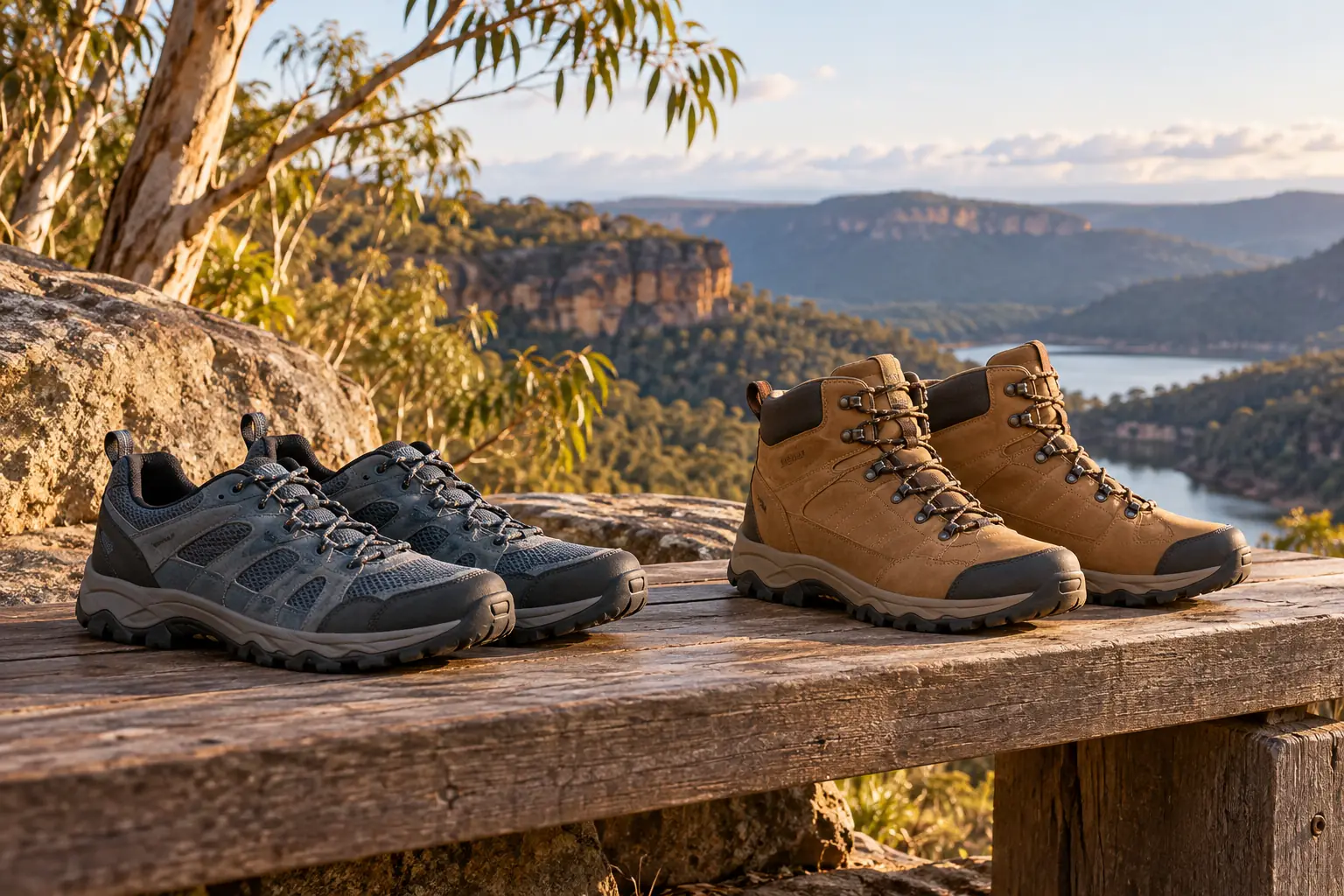
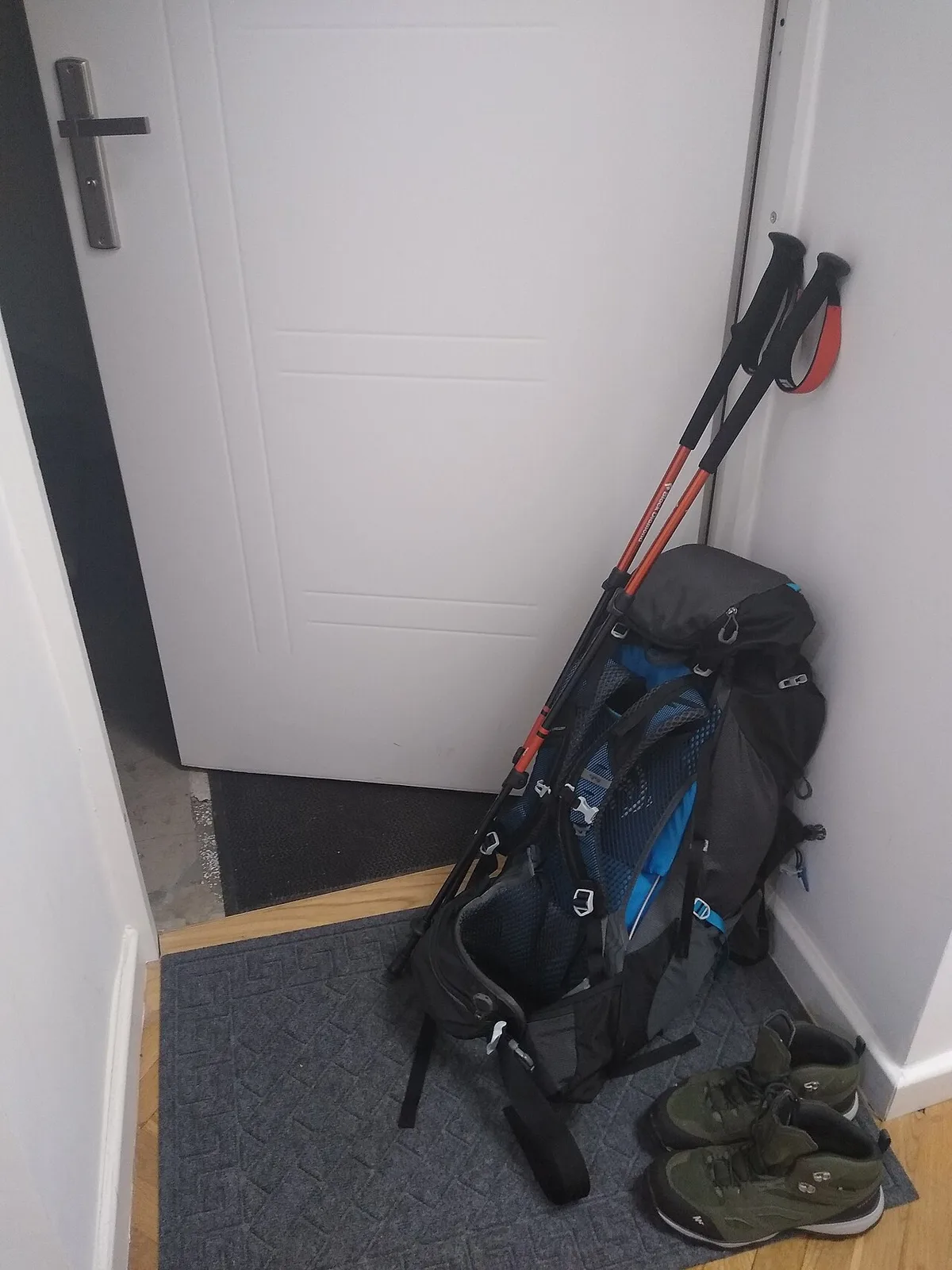
Conclude with the pair and footwear tried, the observations you made and any unanswered question. If the intended footwear changes, revisit the configuration rather than carrying the earlier conclusion across automatically. The equipment photographs show separate items and forms, not a tested system or complete packing list. The generated lead image is a generic concept. Track & Terrain does not promise a particular comfort or health outcome. A consistent record gives you a clearer basis for a fitting conversation and avoids making a small purchase on an assumption that was never checked.