Compare boots and walking shoes against the intended terrain
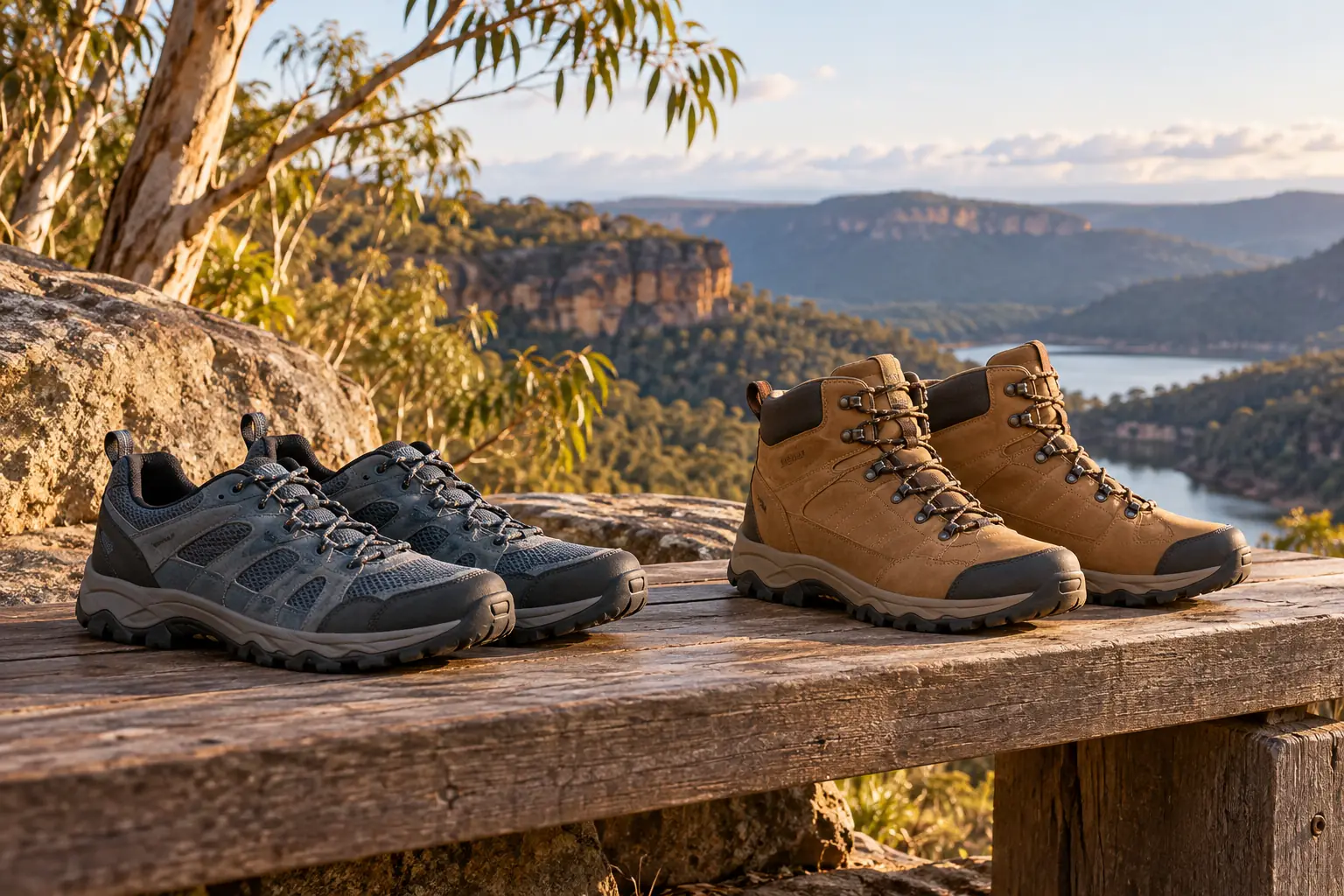
Compare specific boots and walking shoes through the route description, fit and complete configuration instead of selecting a universal winner.
Updated:
Make the category question smaller
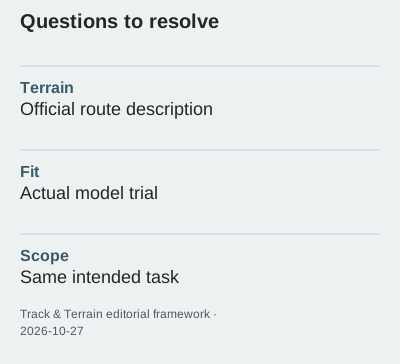
The question boots or shoes is too broad to answer usefully without a walk and a person in mind. Begin with the official description of the intended route, the equipment context and the opportunity to assess fit. A category label does not establish that every product within it has the same construction or suits the same task. This guide provides a comparison method, not a universal recommendation. If the route demands are unclear, resolve that uncertainty with the relevant park manager or an appropriately experienced leader before using a shopping choice as a substitute.
Read terrain information before product claims
NSW National Parks' grading explanation, checked on 2026-10-27, makes clear that the grade reflects the most difficult assessed criterion. Read the full description rather than assuming the number alone describes every part of the walk. Current alerts and conditions remain a separate check. Record which route characteristics create questions for footwear selection. Do not assign a boot or shoe category to a grade as if that pairing were an official rule. A product marketed for outdoor use does not determine your experience, preparedness or the suitability of the trip.
Compare exact models in a consistent setup
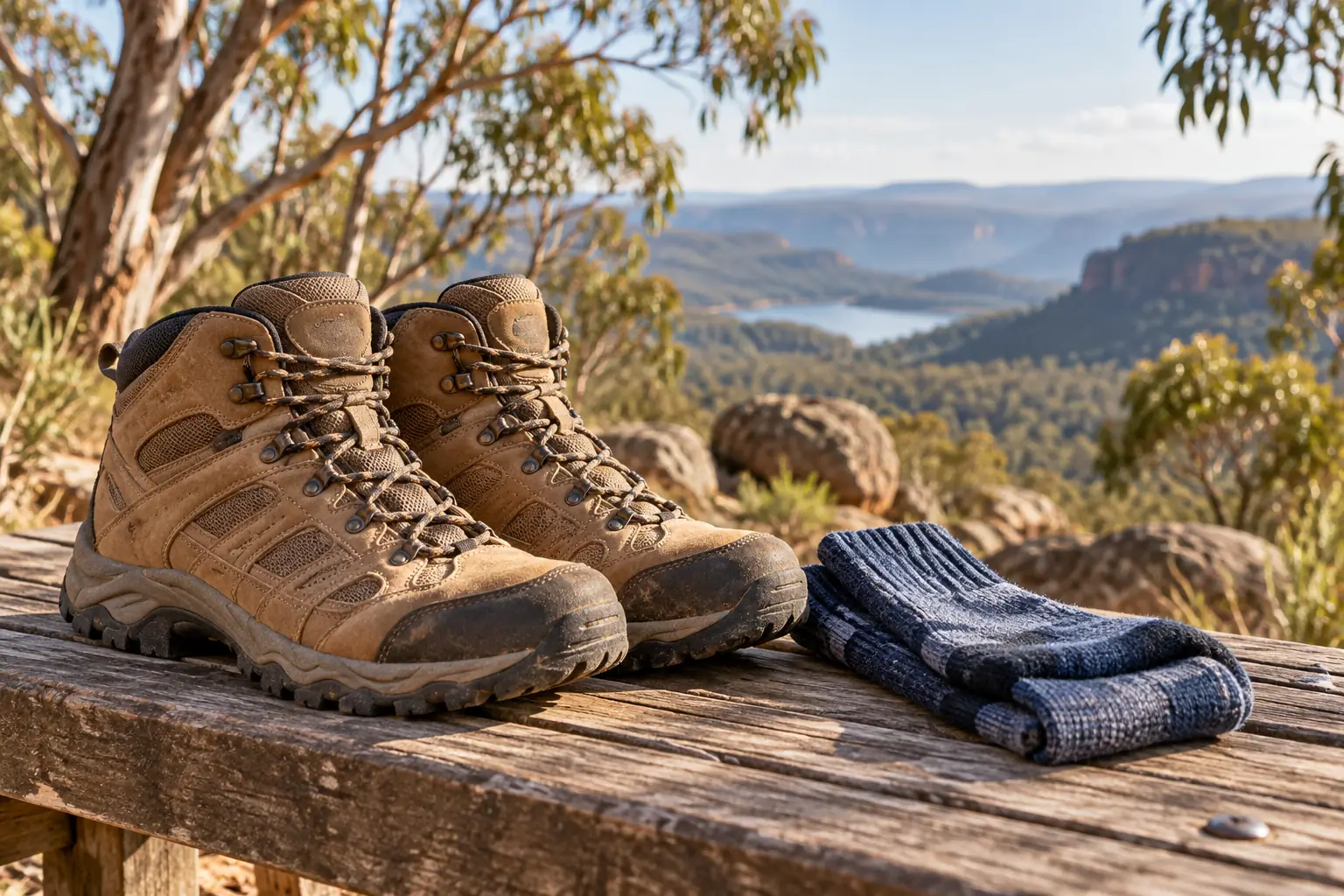
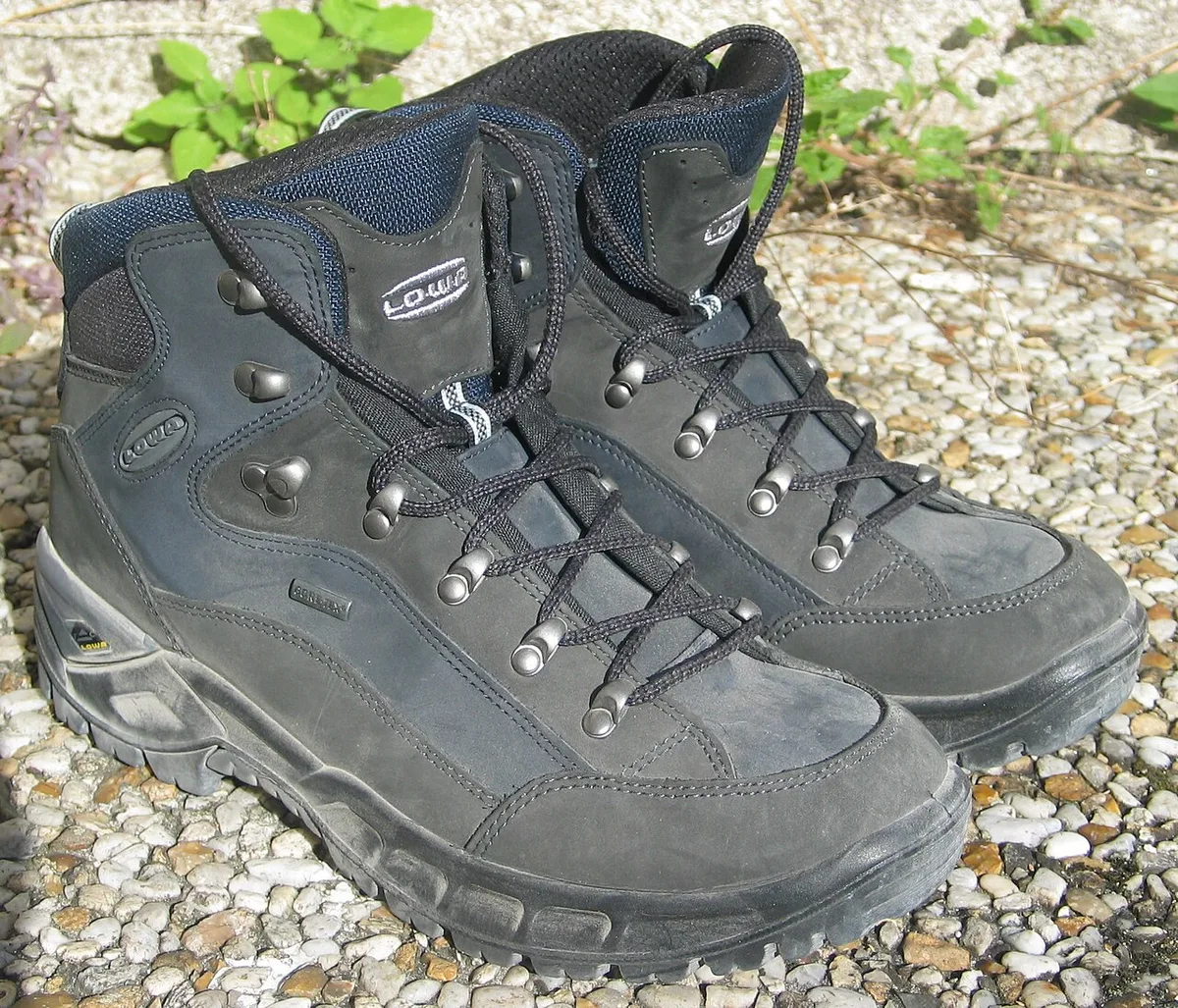
Bushwalking Victoria's footwear guidance connects the type of footwear to the intended terrain and walking. Keep that principle tied to specific models and a fitting process rather than reducing it to a slogan. Record the socks and other normal components used in each permitted trial. Ask the retailer to explain relevant construction and intended-use information for the exact product. The real boot photograph illustrates physical features, but it does not establish individual fit, current specifications or superiority over a shoe that has not been assessed.
Keep observations separate from predictions
Write down what you actually notice during a shop trial and identify what the setting cannot reproduce. A brief indoor observation is not a long-distance or wet-weather test. Avoid promising that an unfamiliar product will become comfortable after use or that one category prevents an injury. This publication has not performed comparative field testing. If an individual physical concern affects the choice, obtain appropriate professional advice. A useful comparison can retain an unanswered question instead of forcing every observation into a numerical score that suggests more certainty than the evidence supports.
Show the price difference without overinterpreting it
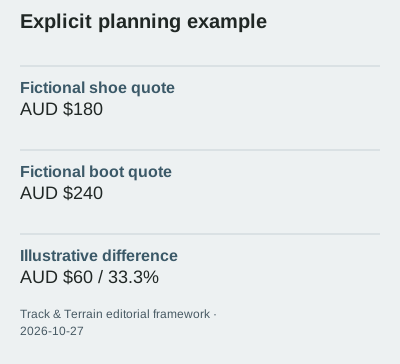
For a fictional example, shoes quoted at AUD $180 and boots at AUD $240 differ by AUD $60. The fictional boot price is about 33.3% higher than the shoe price. These invented inputs are not current Australian offers or evidence of value. Check whether each actual quote covers the same intended configuration and clearly identify optional extras. A percentage price difference cannot settle terrain suitability or fit. Keep the current seller information dated and avoid combining one product's advertised price with another product's demonstrated setup.

Choose a reason you can explain
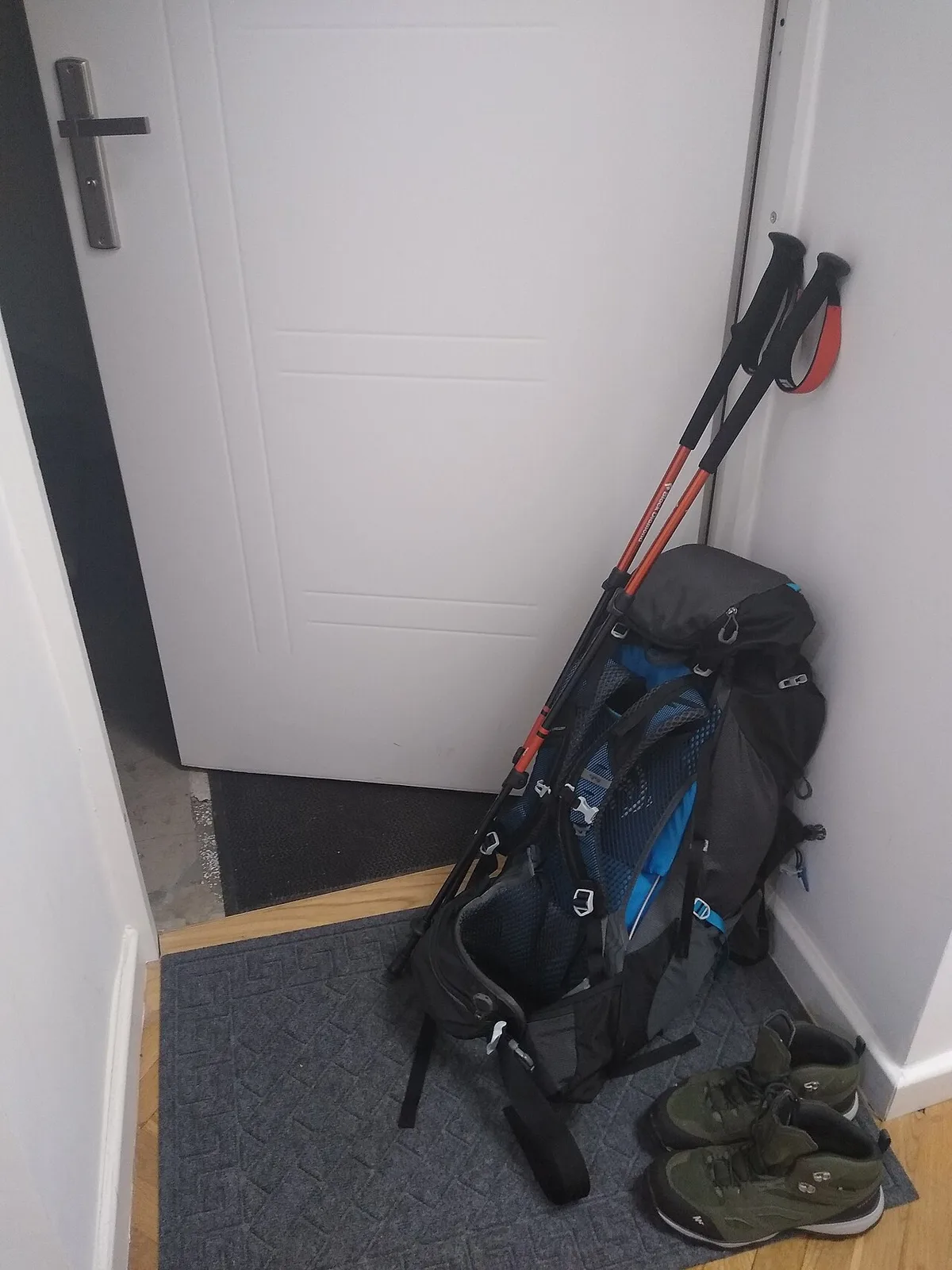
Finish with a short account of the intended task, model information, fitting observations and unresolved points. A decision may be provisional until a key question is answered, and a change in the planned route may require revisiting it. The pack and pole photographs remind readers that footwear is one part of a wider equipment record, not a complete safety system. The generated image is conceptual. A defensible choice is grounded in the actual brief and available evidence, rather than a claim that boots or shoes are always the right answer.
Bushwalking Victoria: Footwear and gaiters ? NSW National Parks: Walking Track Grading System ?