Build an honest carried-mass record
Add measured item masses transparently and keep the result separate from safe-load advice or a complete packing list.
Updated:
Decide what the total includes
A carried-mass record is most useful when its scope is clear. Name the items included, identify the configuration measured and list what is excluded. A subtotal for selected gear is not the same as the total carried on a particular trip. Food, water, containers, clothing and other items may be outside a small calculation unless you deliberately include them. This guide does not prescribe what to carry or how much is safe for you. It explains how to keep arithmetic honest while the trip and equipment requirements are assessed separately.
Use consistent units and identifiable measurements
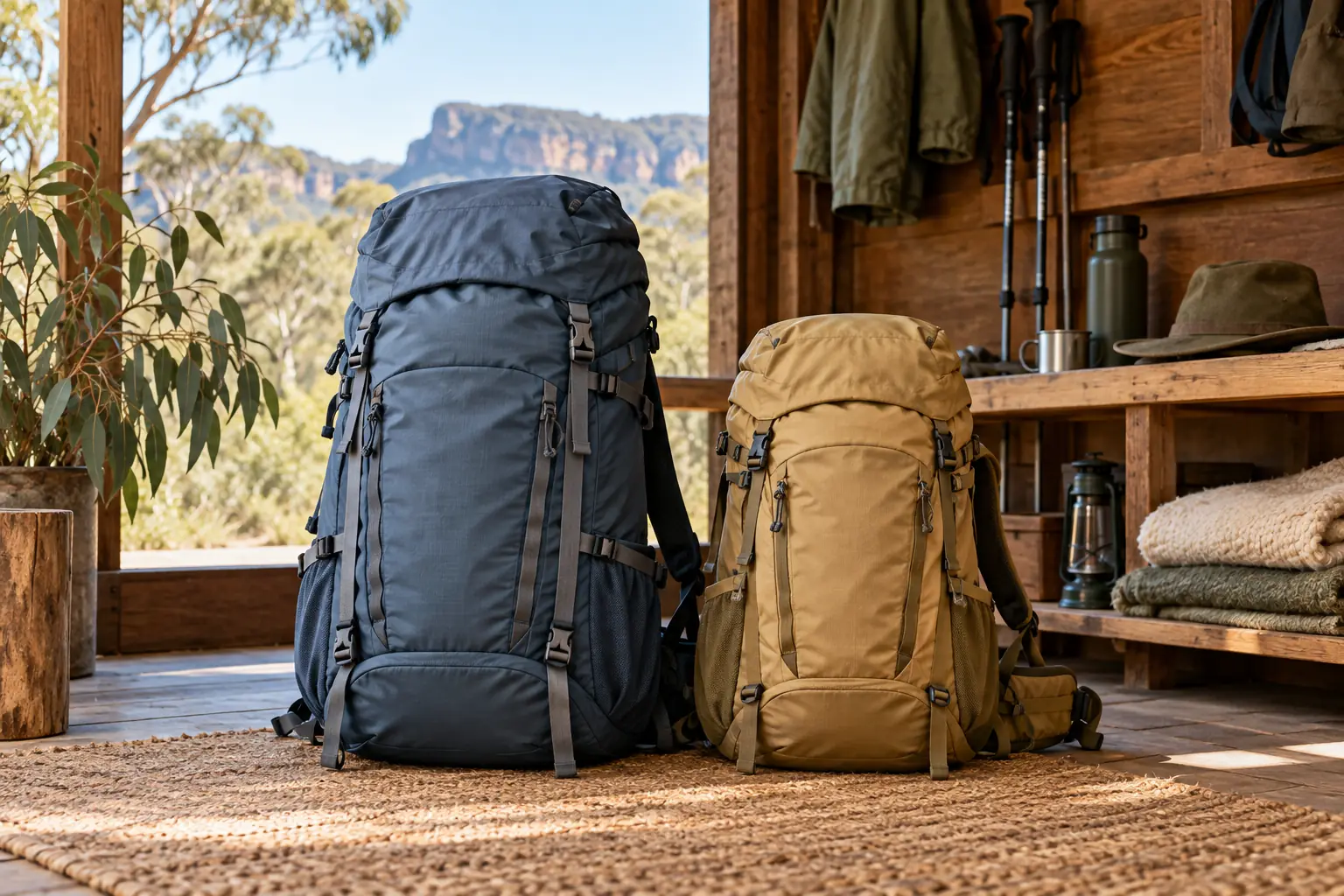
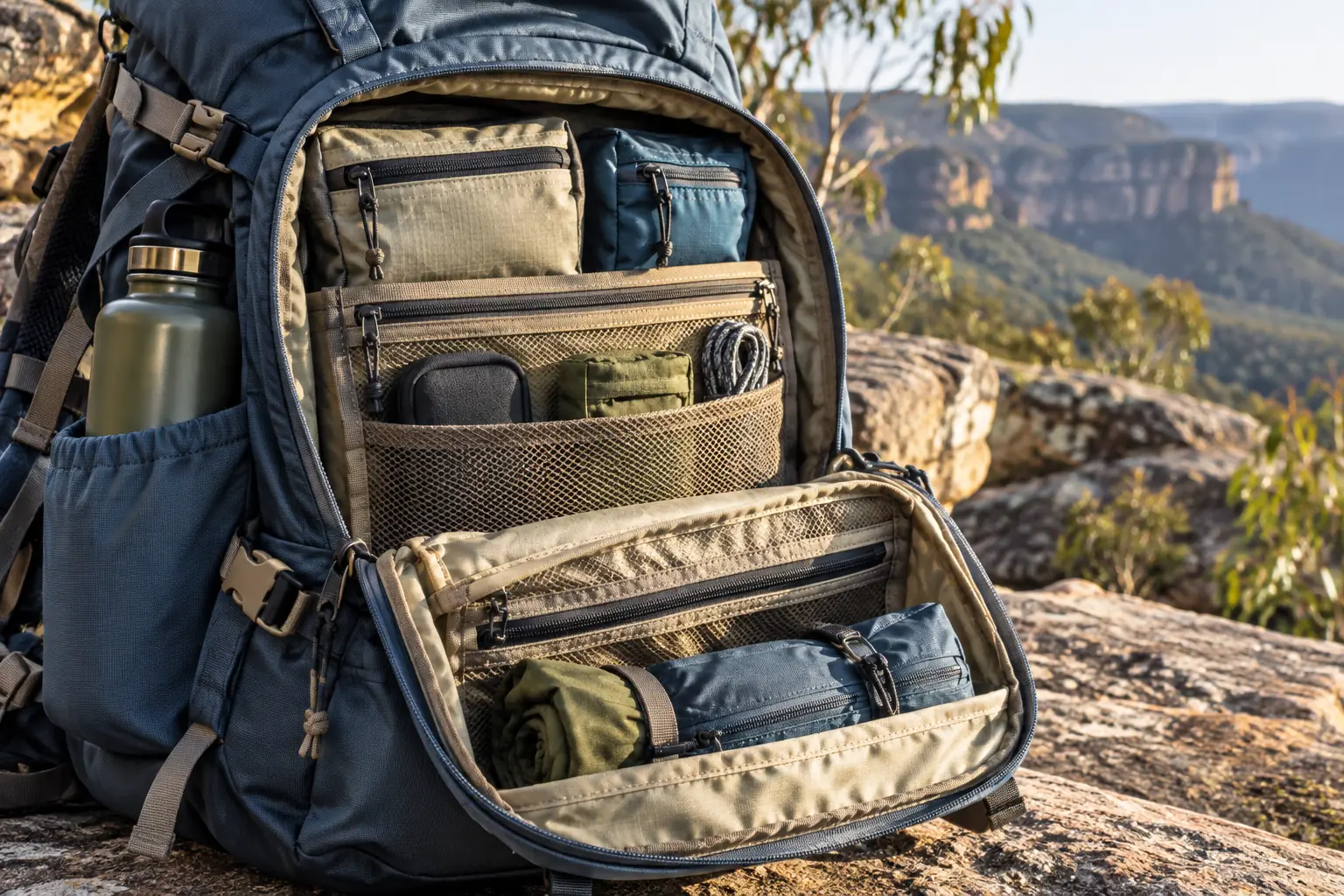
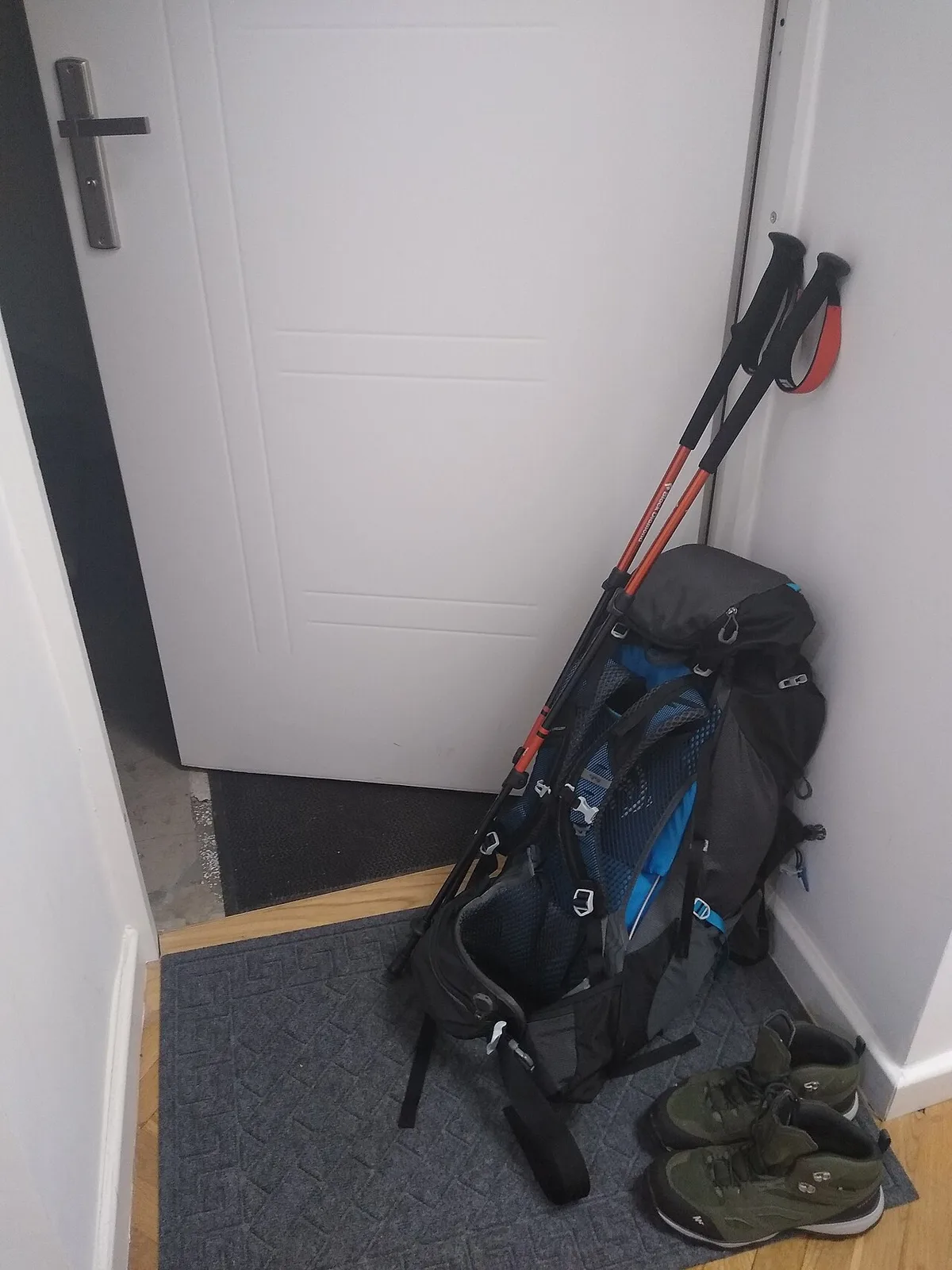
Record each value in grams or convert it clearly before adding. Keep the scale reading or manufacturer's stated value attached to the exact item and configuration. A claimed product mass may use a different size or exclude an accessory, so do not silently treat it as your own measured result. If a value is unknown, mark it rather than substituting a plausible number. The real equipment photograph demonstrates why separate items deserve separate entries, but it does not supply measured masses or a complete inventory.
Work through a labelled example
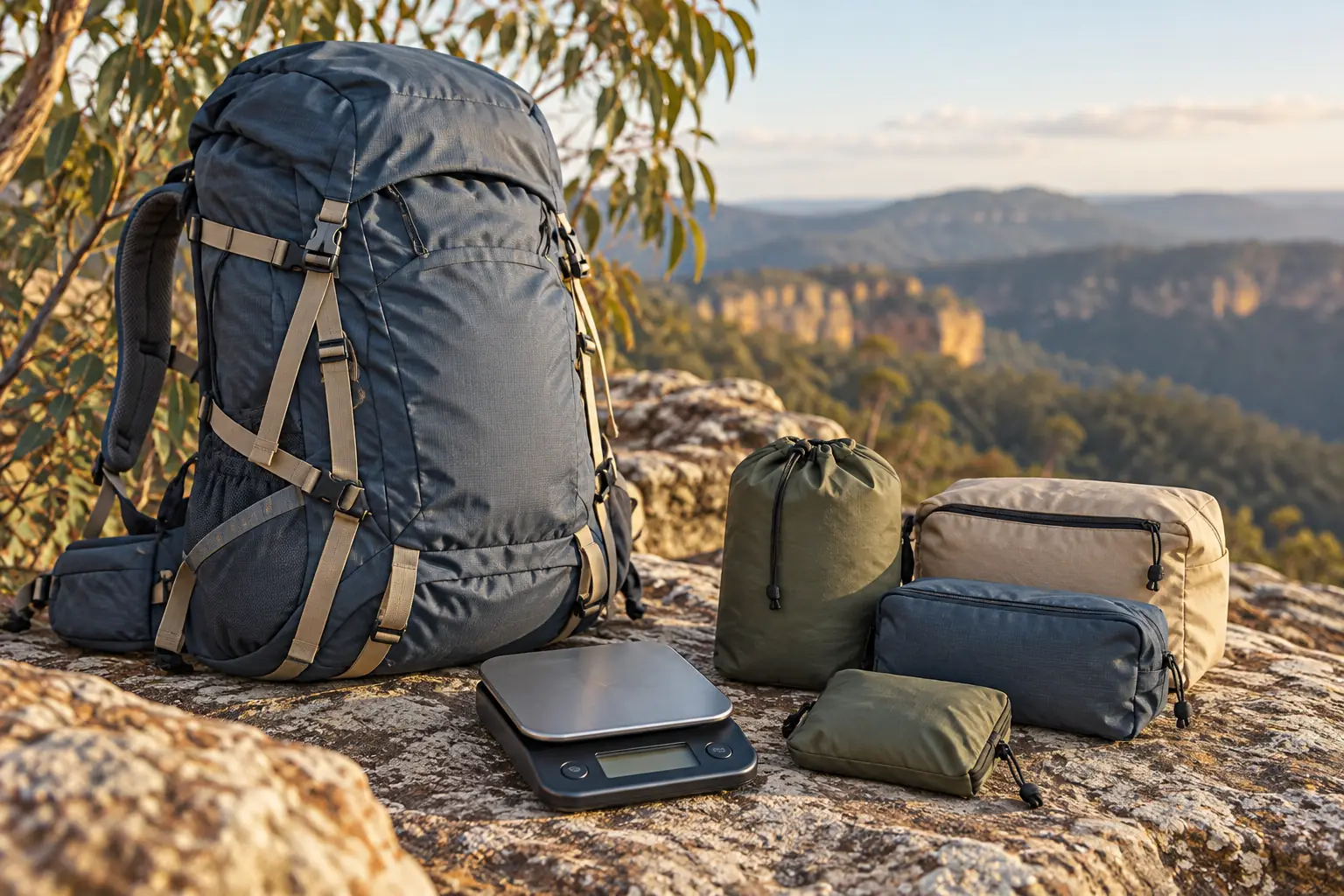
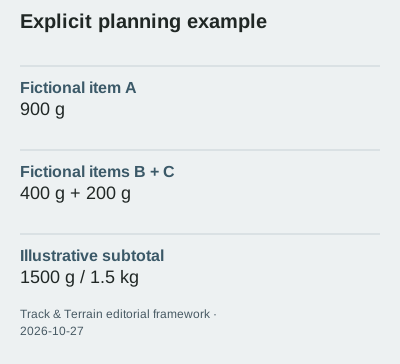
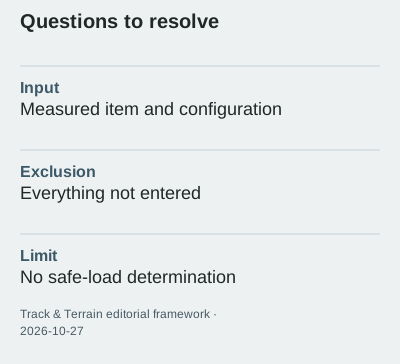
For an explicitly fictional example, items of 900 grams, 400 grams and 200 grams total 1,500 grams, or 1.5 kilograms. The 900-gram item accounts for 60% of that selected subtotal. These inputs are invented to explain addition and unit conversion, not actual product specifications or an acceptable load. Our tool reports only the sum of the entered items. It does not determine whether the selection is complete, whether the pack can carry it or whether a person should attempt the planned activity with it.
Keep fit and trip suitability separate
Bushwalking Victoria's pack guidance, checked on 2026-10-27, supports considering the actual loaded configuration during a fitting. That does not create a universal safe-load threshold. Record your fitting observations separately and obtain appropriate advice where an individual physical concern matters. A lower subtotal is not automatically a better choice if it reflects missing required equipment or a product unsuited to the task. Do not use a neat number to override current official trip guidance, manufacturer limits or the assessment of the activity's demands.

Compare replacements without inventing benefits
If considering a replacement, record both items in equivalent configurations and calculate the difference explicitly. A fictional AUD $80 purchase may change a budget, but price alone does not establish a useful mass saving or a performance improvement. Keep the actual quote, measured or stated masses and compatibility information together. Avoid assigning a monetary value to an unverified comfort or safety benefit. A lighter specification is one piece of information in a wider decision, not proof that the replacement belongs in the kit.
Update the record when the kit changes
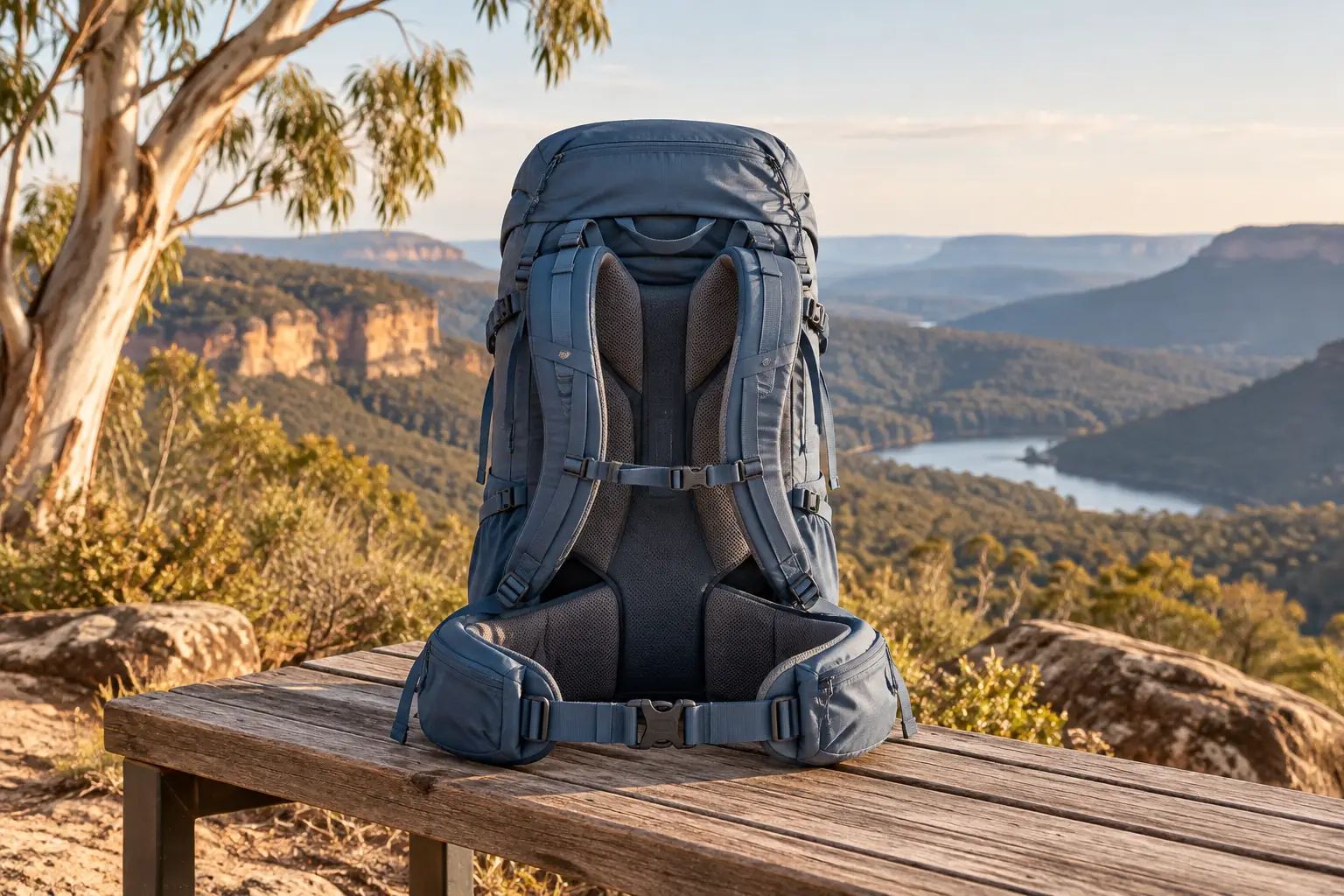
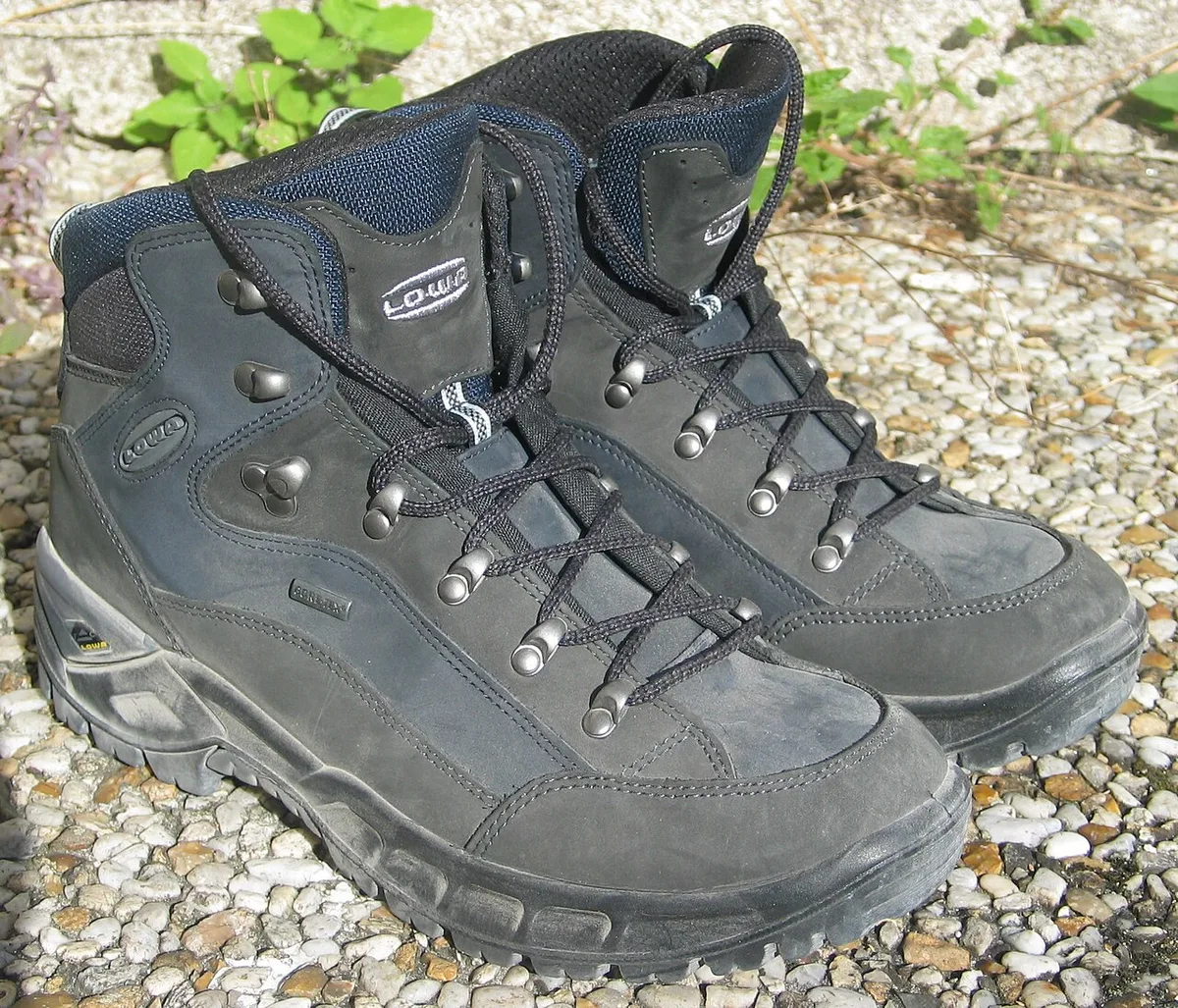
Save the date, item identifiers and measurement basis so the subtotal can be reproduced. Recheck values when accessories, sizes or packing assumptions change. The retracted-pole photograph concerns physical configuration, and the boot photograph provides equipment context; neither is a weighing test. The generated lead image is conceptual. Track & Terrain has not weighed your kit or assessed your carrying capacity. A transparent record helps expose omissions and inconsistent comparisons without pretending that arithmetic can make the underlying outdoor decision for you.