Arrange a pack comparison around access and organisation
Compare pack openings, pockets and organisation through your actual task list while keeping fit and weather protection as separate questions.
Updated:
Describe the access tasks that matter
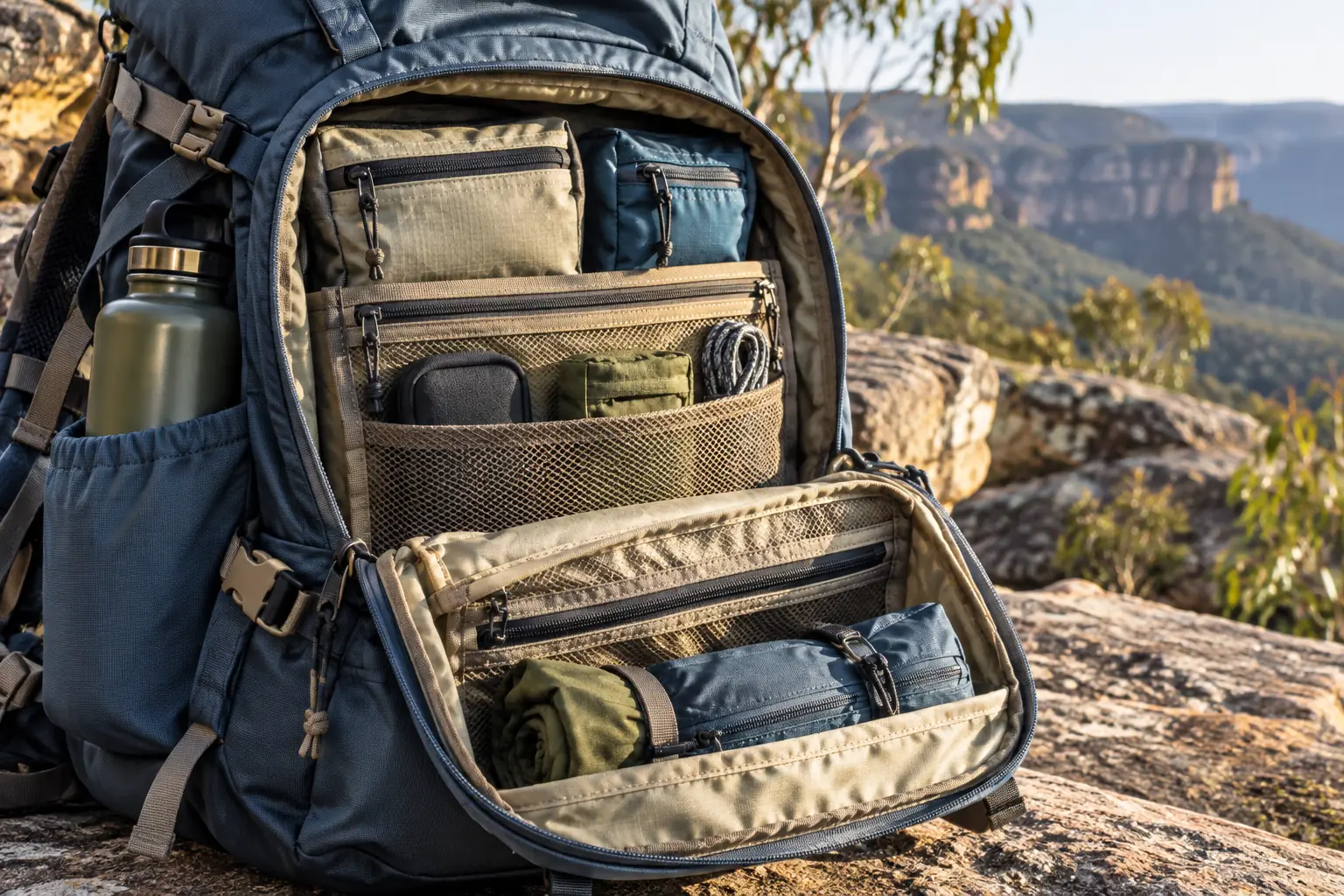
A pack comparison often begins with capacity and appearance, but everyday organisation deserves a clearer brief. List the items or categories you need to discuss and the situations in which you expect to reach them. This is not a universal packing order or a complete safety checklist. The appropriate arrangement depends on the activity, equipment and applicable guidance. Your task list simply gives the retailer a practical way to explain the pack's openings and compartments without assuming that more pockets always create a better system.
Identify the configuration in the demonstration
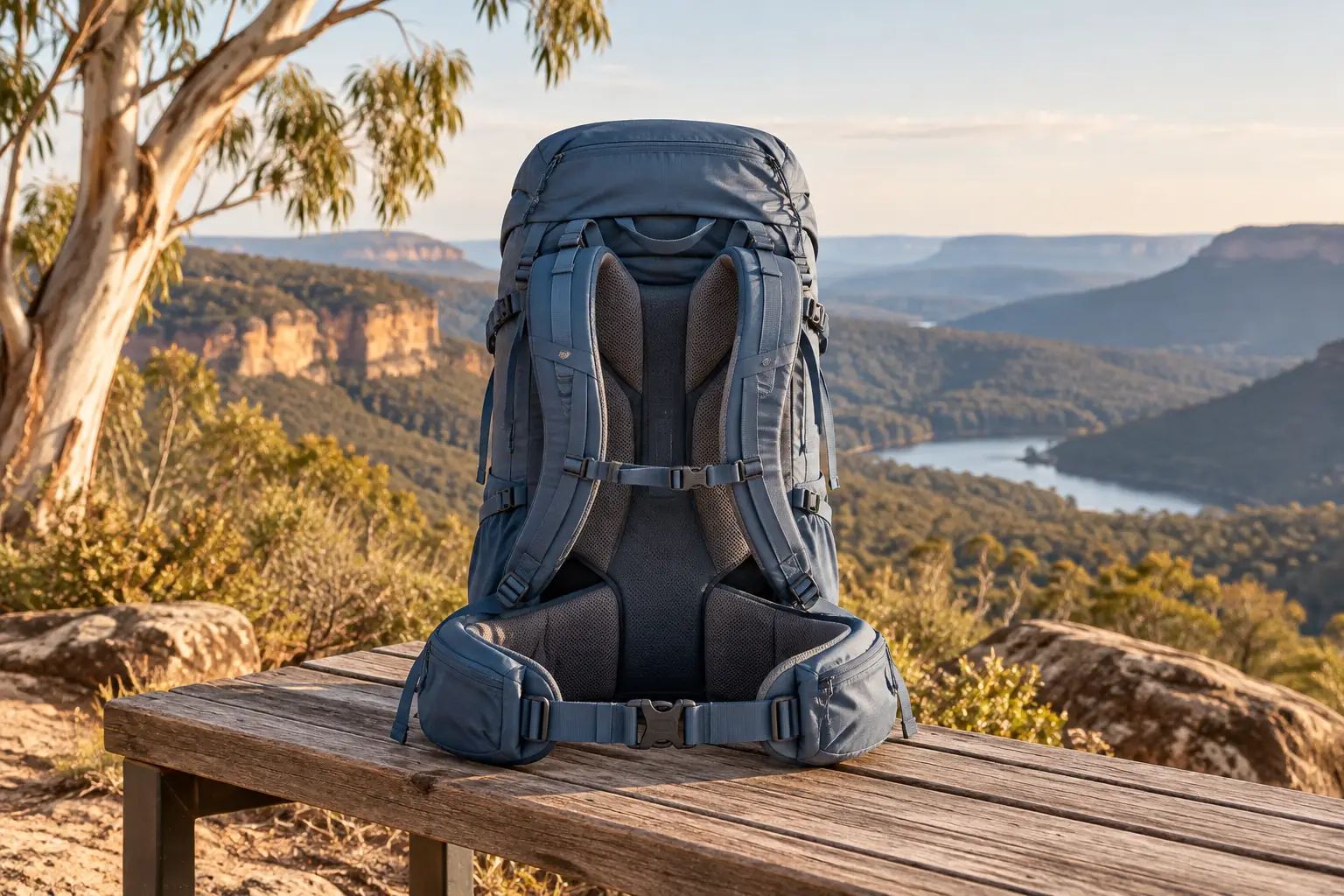
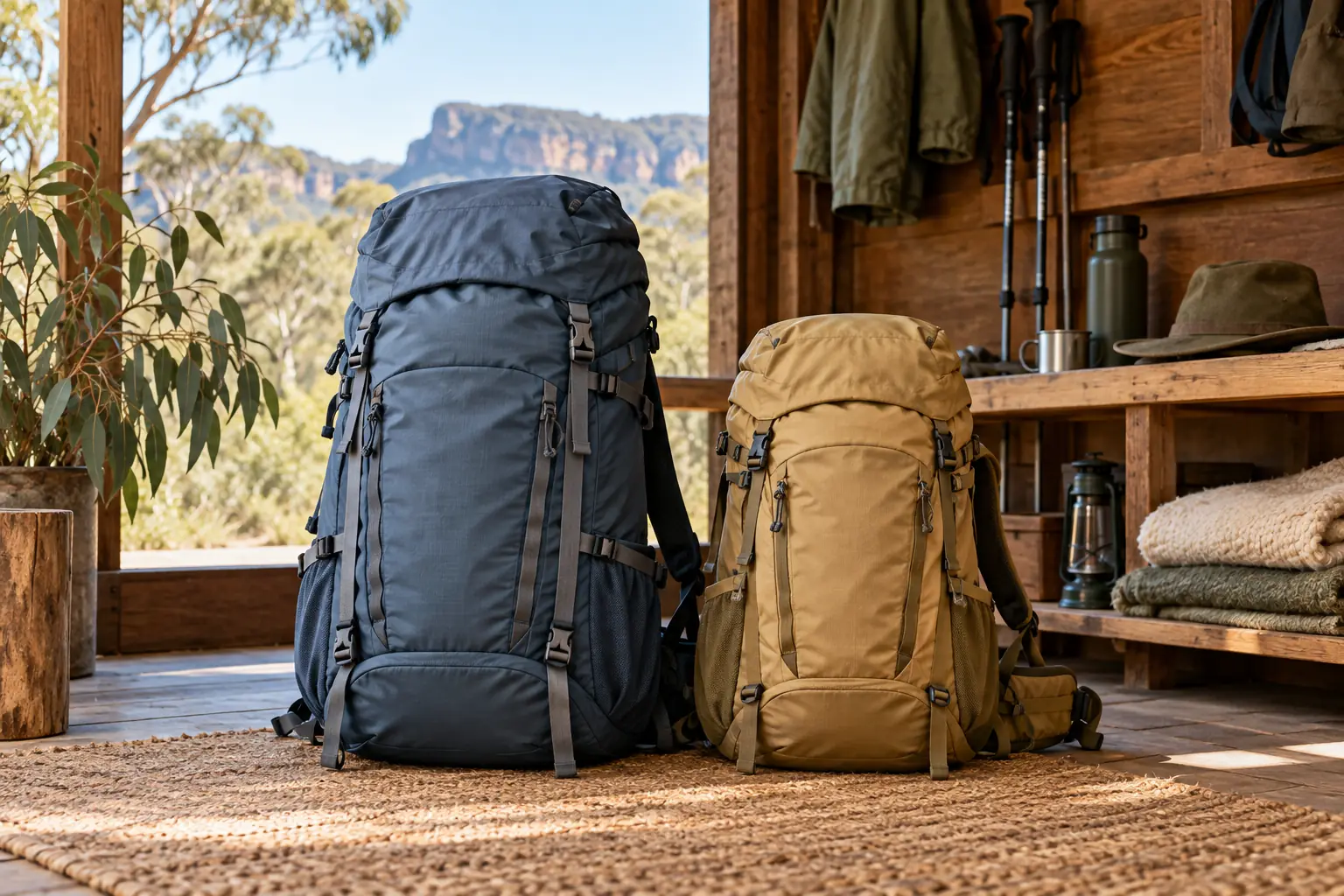
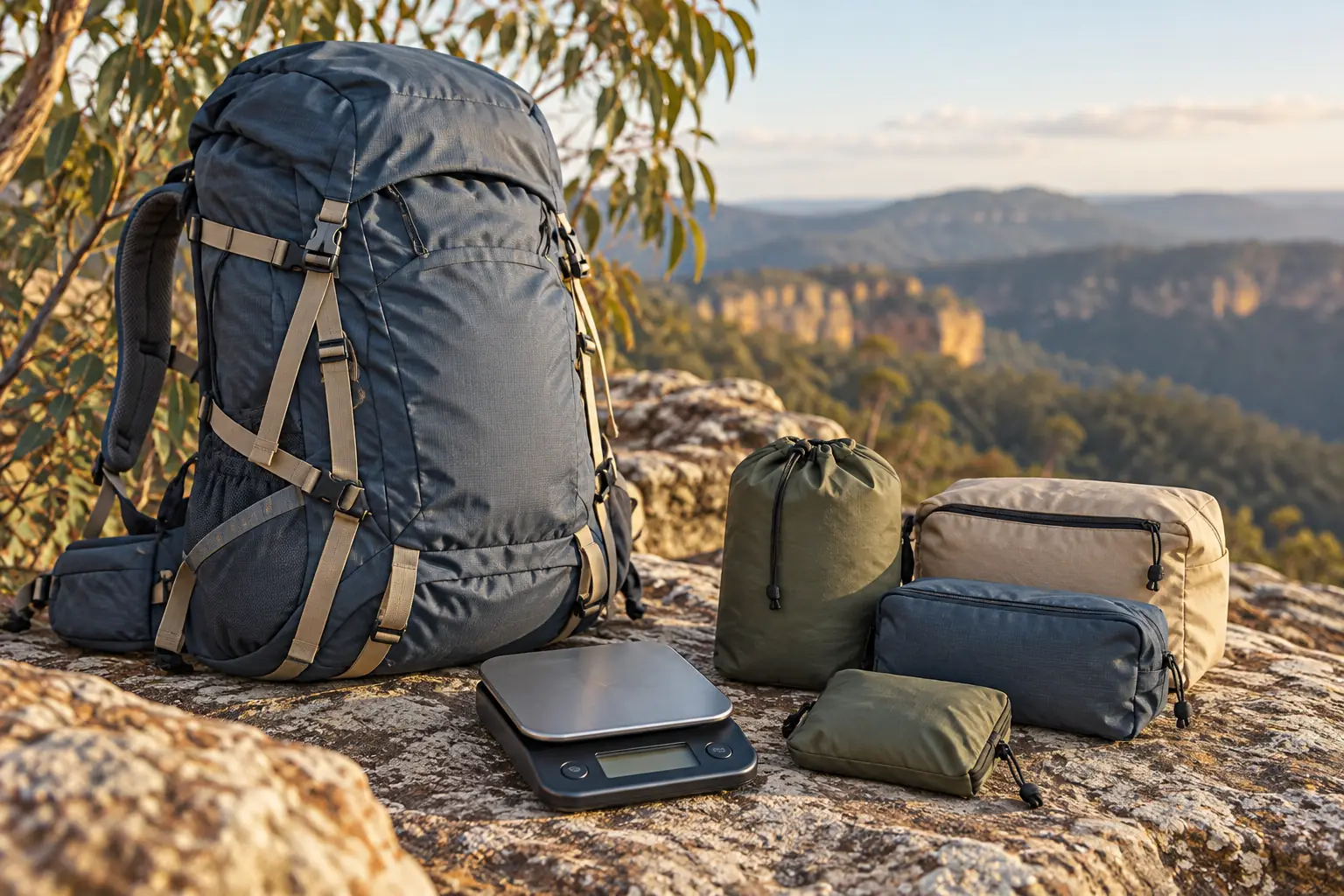
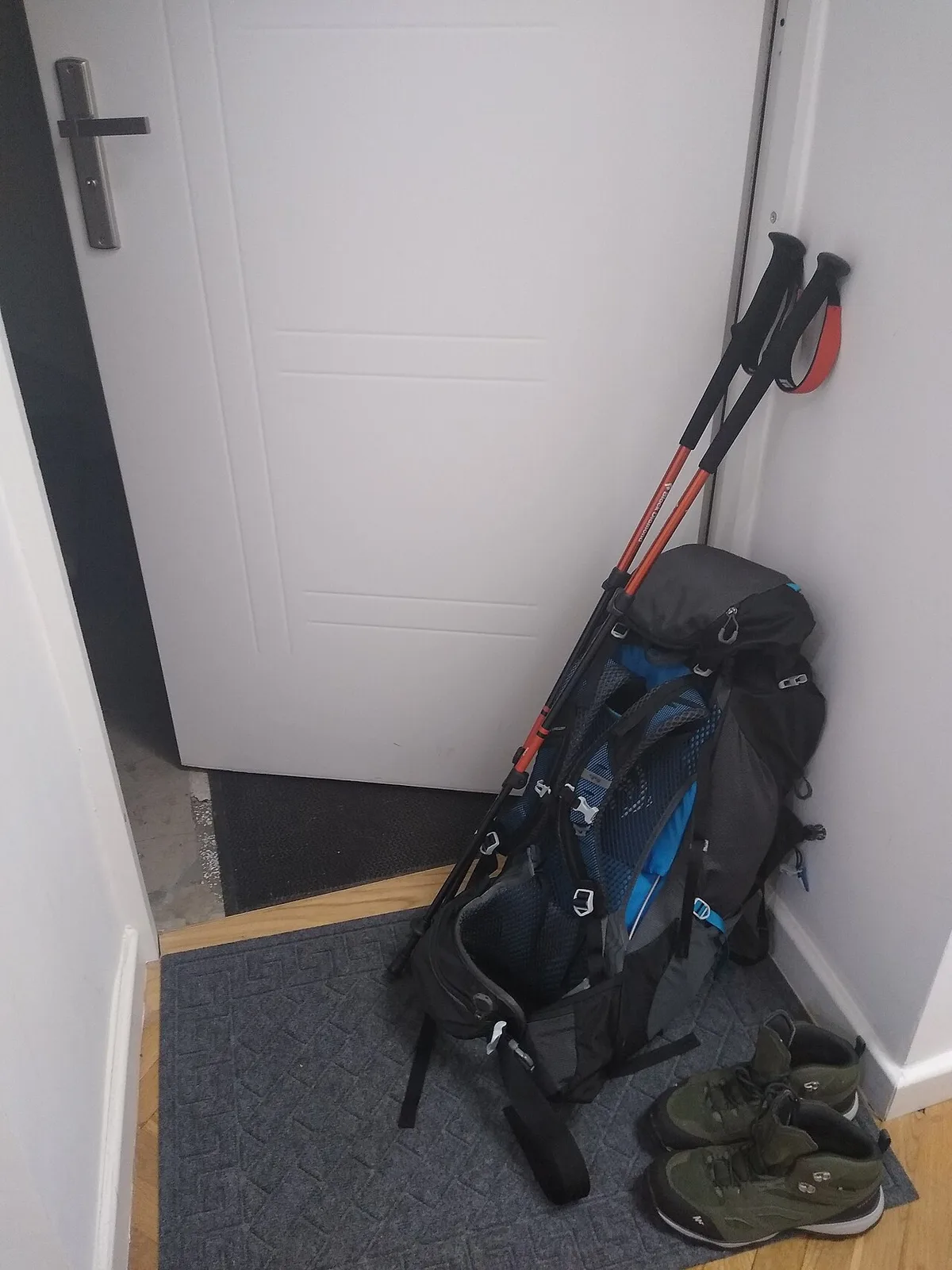
Record the model and the components fitted during the trial. Ask whether removable pockets, lids or accessories are included in the quoted package. Keep the intended item for each access question specific enough to assess its shape, while avoiding an assumption that a nominal volume proves it will fit. The real pack photograph shows a visible harness and separate equipment. It is useful context for a record, but it is not an endorsed packing arrangement or a demonstration of every opening in the product you are considering.
Observe without over-scoring
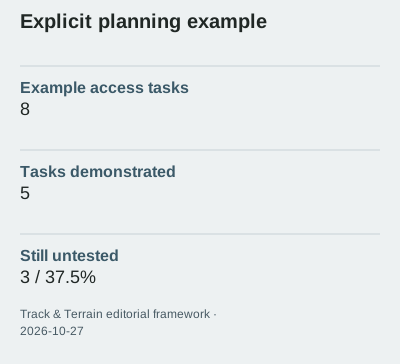
Within a permitted shop demonstration, note which opening or pocket was tried and what you learned. In an explicitly hypothetical list of eight access tasks, five demonstrated tasks leave three untested, or 37.5%. That percentage measures the coverage of the demonstration, not the pack's quality. A single untested essential task may matter more than several convenient pockets. Do not force the observations into an average that hides a consequential unknown. Keep a short space for follow-up questions and the documents needed to answer them.
Keep feature claims in context
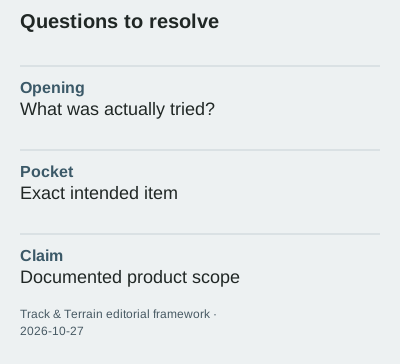
Bushwalking Victoria's pack guidance, reviewed on 2026-10-27, discusses trade-offs in pack features and organisation. Use that as a prompt to examine the actual model rather than as a verdict on every complex design. A closure, fabric description or pocket arrangement does not by itself establish weather protection or durability. Ask for the exact manufacturer's information when those claims affect your decision. This publication has not tested the products for leakage, wear or long-term access. Keep documented specifications separate from your own brief handling observations.

Compare the complete package
A proposed accessory should have an identified purpose and verified compatibility. For a fictional purchase illustration, an AUD $45 pocket added to an AUD $250 pack creates an AUD $295 scenario before other charges. These are invented amounts, not Australian retail prices or a recommendation to buy an extra pocket. If an accessory changes the arrangement being assessed, record that change rather than treating the original demonstration as equivalent. Do not improvise attachments based on a photograph. Use the manufacturer's instructions for the exact pack and accessory combination.
Keep the organisation plan revisable
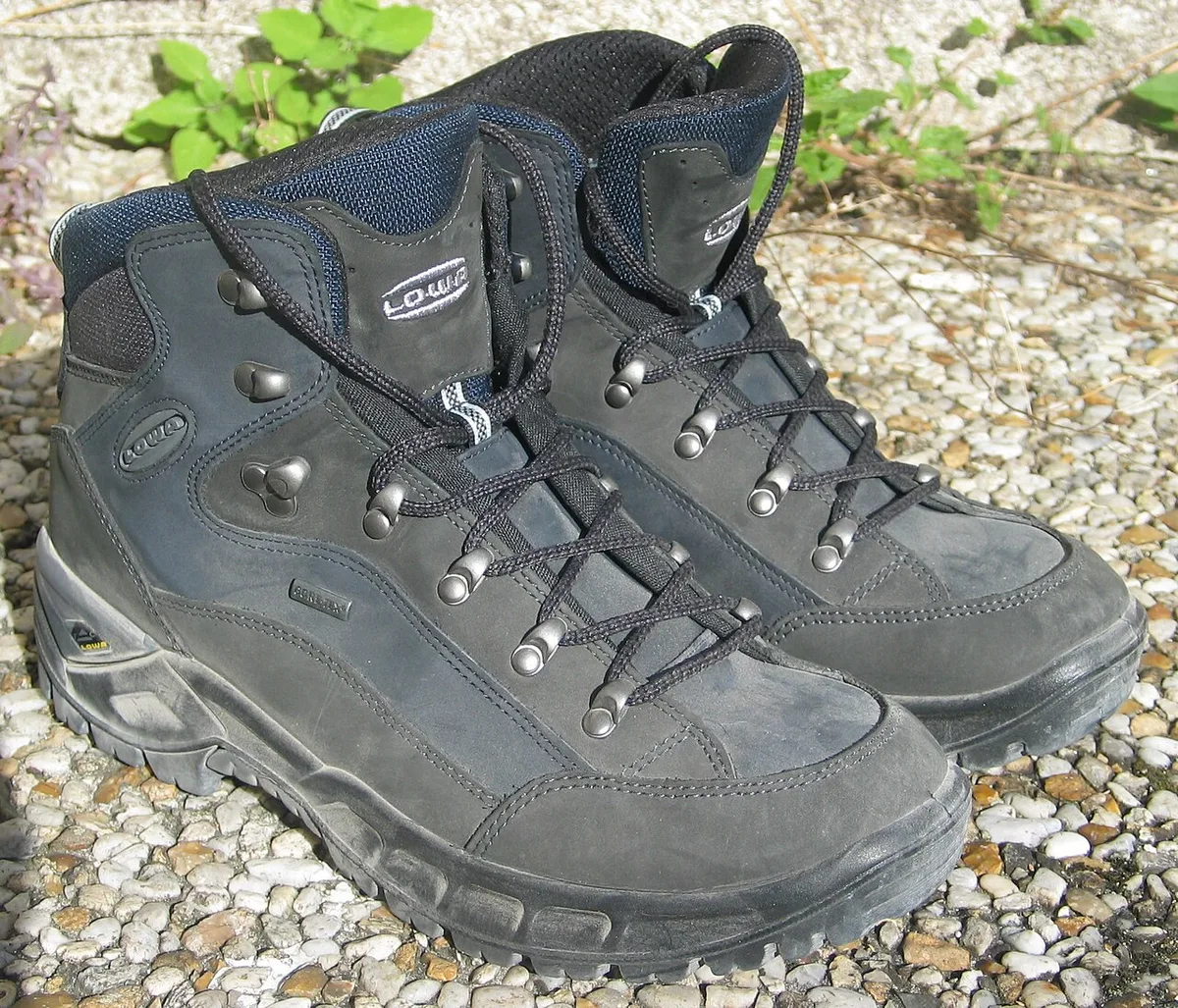
Summarise the tasks addressed, the configuration shown and the remaining questions. Revisit the record when the kit or intended activity changes. A layout that seemed convenient for one use may require another assessment for a different trip. The pole and footwear photographs illustrate equipment with distinct shapes and specifications, not a complete packing system. The generated lead image is conceptual. A useful access comparison explains how the pack might support your actual routine while keeping fit, load, protection and trip suitability open to their own evidence.