Pack volume is a starting point, not a packing guarantee
Use a litre figure to organise a pack enquiry while checking the actual equipment, shape, access and fit separately.
Updated:
Ask what the capacity number describes
A pack's litre figure is useful information, but it is not a complete description of the space available for your equipment. Record the manufacturer's stated capacity for the exact model and ask how the relevant compartments or extensions are described. Do not assume that every brand measures or presents the figure identically. The purpose of this guide is to make the number part of a practical comparison. It does not recommend a universal size for a day walk, an overnight trip or a particular person.
Keep volume separate from the equipment list
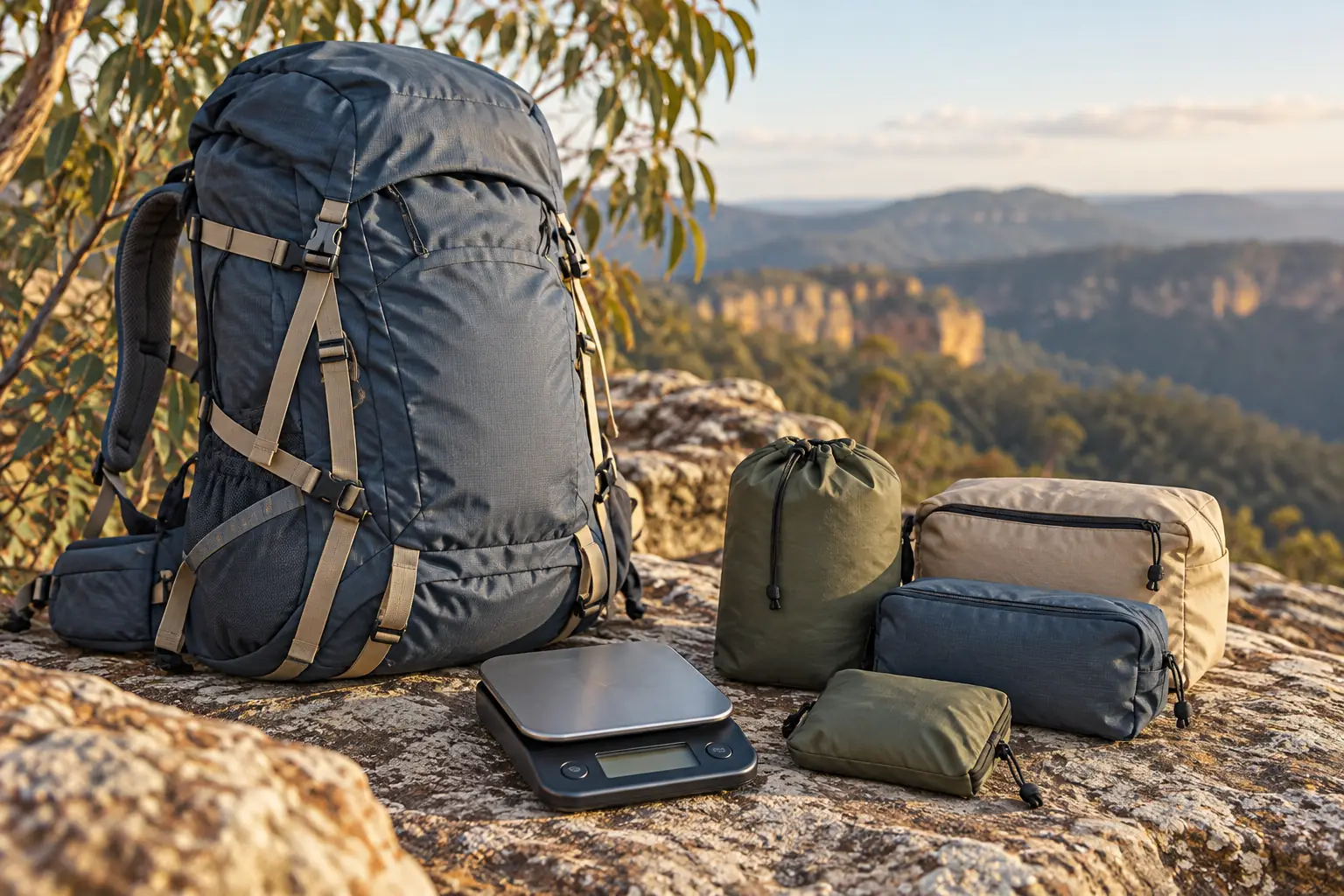
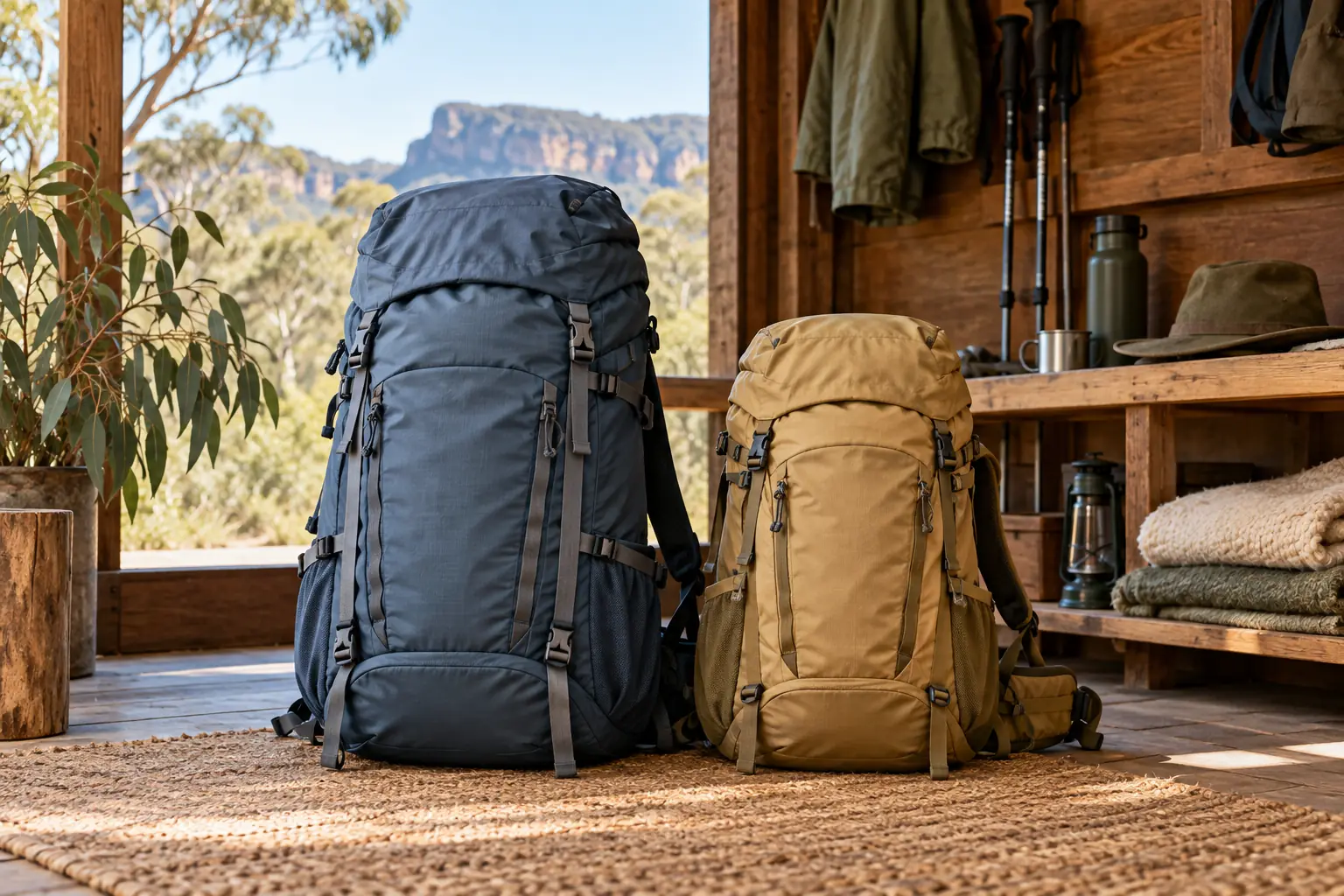
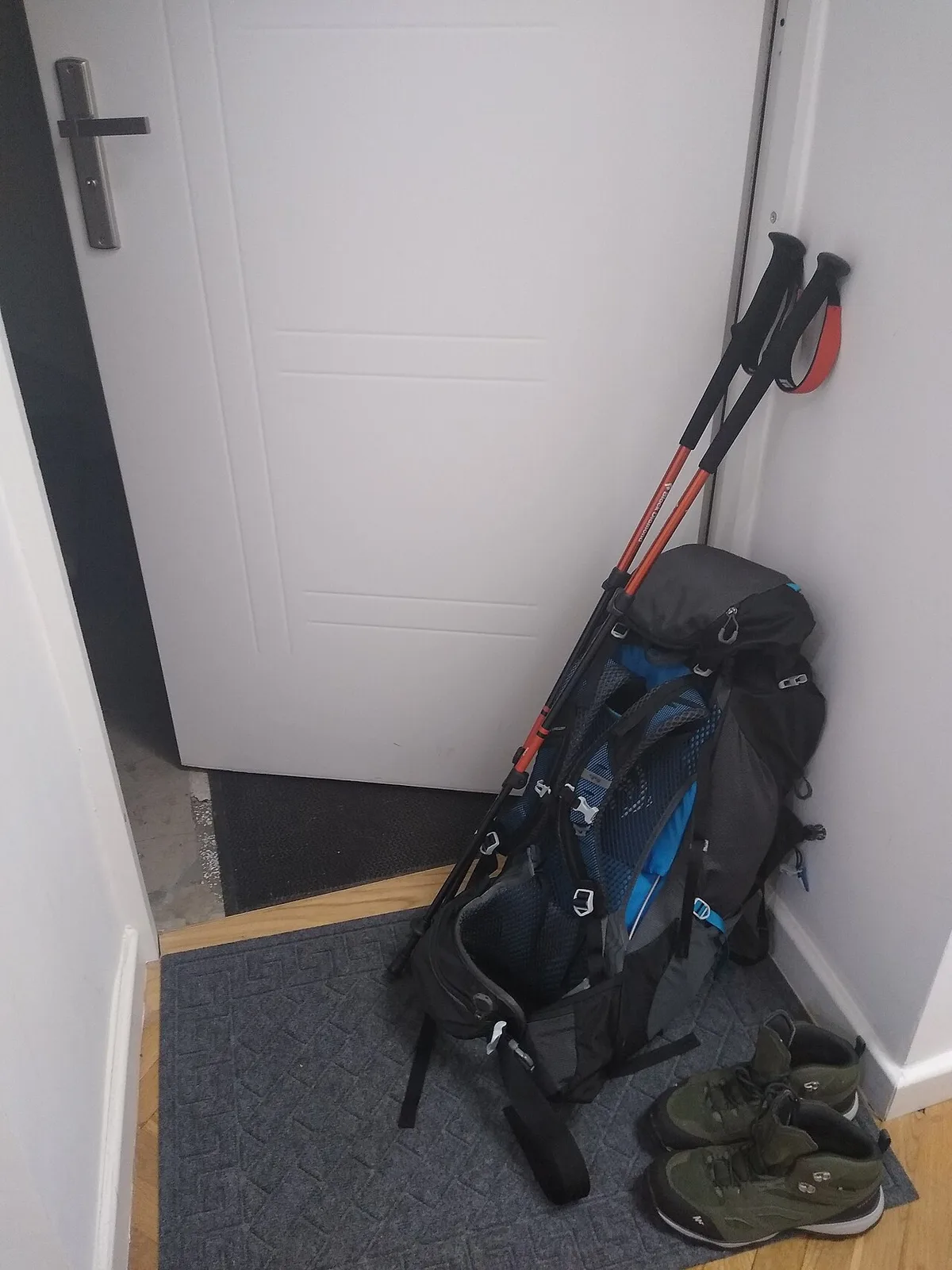
Begin with the actual gear you need to assess for the intended activity, using current official guidance and suitable advice. Do not remove necessary items merely to make them fit a preferred pack. A list of names is still different from the physical shapes and packing arrangement, so ask how the retailer can help you assess the actual configuration. The real equipment photograph shows a pack, poles and footwear as distinct items. It does not establish a complete kit, a recommended carrying arrangement or the capacity of the pictured pack.
Understand a numerical comparison
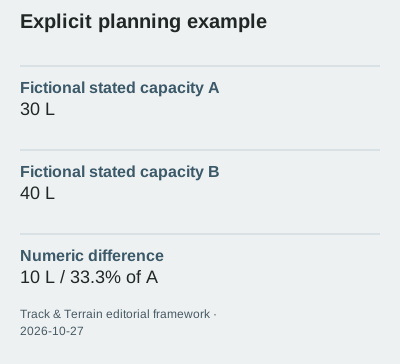
For an explicitly fictional example, a stated 30-litre pack and a stated 40-litre pack differ by 10 litres. The larger number is about 33.3% greater than the smaller one. This arithmetic does not prove that your kit fits either pack, that all compartments are equally usable or that the larger option suits you better. Keep the manufacturer's definitions and the physical trial beside the figures. Extra decimal places would not make an uncertain capacity comparison more meaningful, and a percentage should not become a product-quality score.
Read the source within its scope
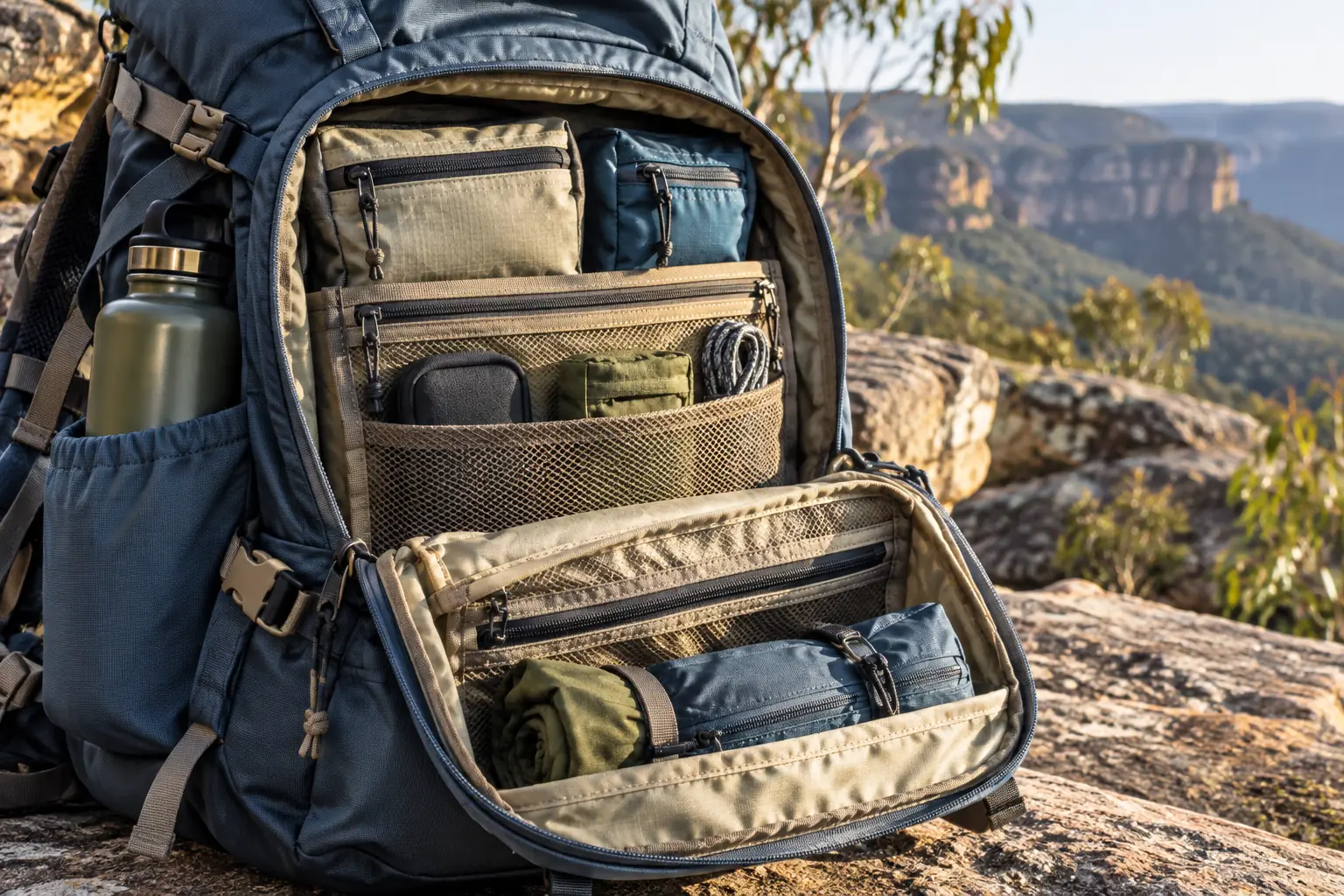
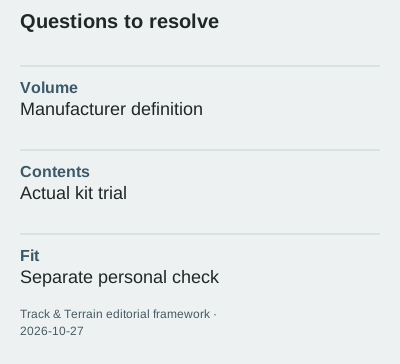
Bushwalking Victoria's pack guidance, reviewed on 2026-10-27, notes that volume descriptions can vary between brands. Use that point to ask better questions about the actual models. A general range in a guide is not a personalised packing prescription. Your intended trip, equipment and fit assessment still matter. Ask the retailer to identify the configuration shown in a demonstration and any optional extensions or pockets. Keep a difference between the displayed product and the quoted package visible so a capacity impression is not based on items that are not supplied.

Check access and fit independently
A pack can have a promising volume figure while leaving questions about access, adjustment or carrying. Give those questions their own fields rather than letting the litre number settle them. If a fictional accessory quote is AUD $35, it can be included in a budget scenario once its purpose and compatibility are clear; the price does not validate the pack choice. Do not improvise attachments or carrying methods on the basis of this article. Follow the exact manufacturer's instructions and seek appropriate advice for the intended use.
Keep a traceable conclusion
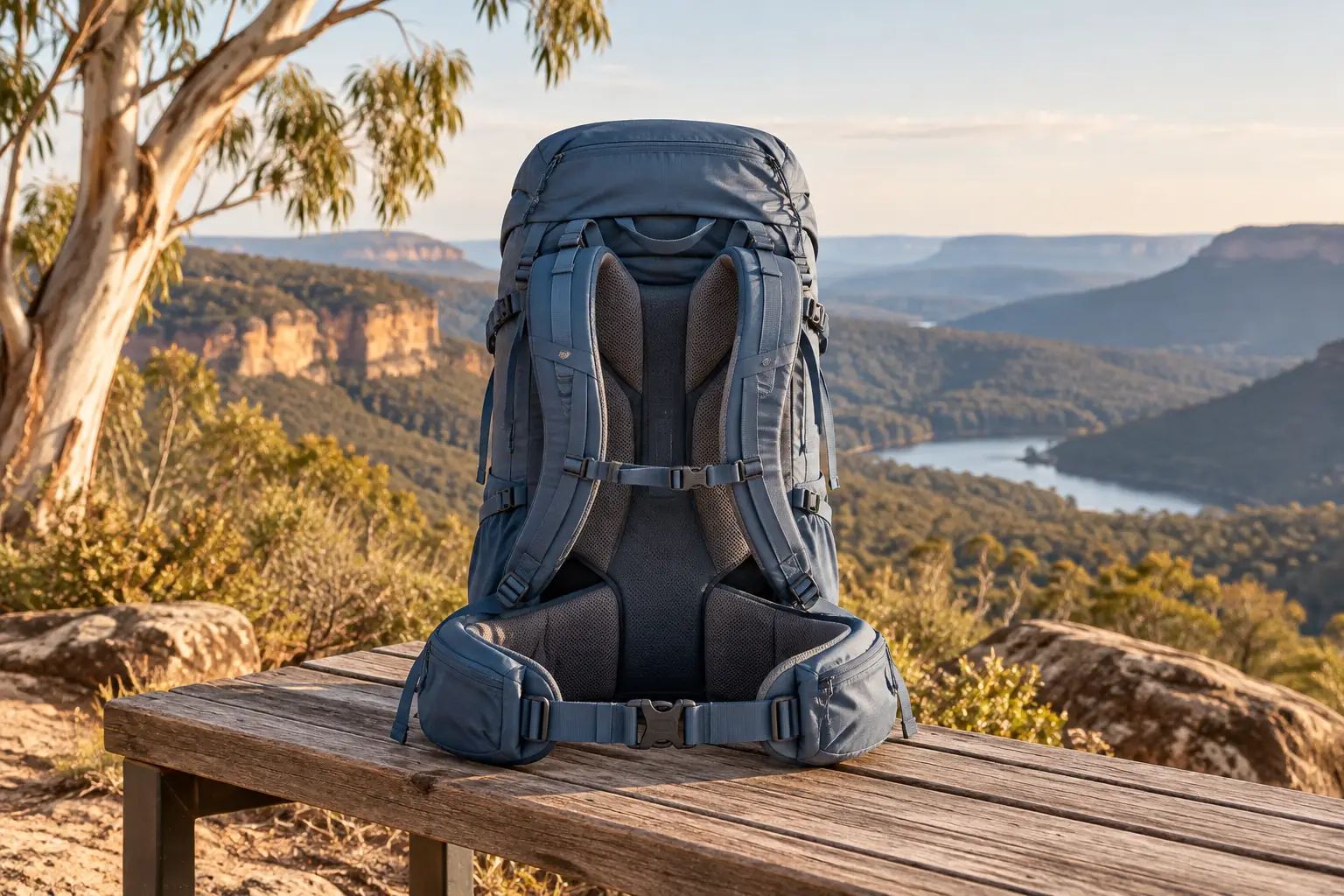
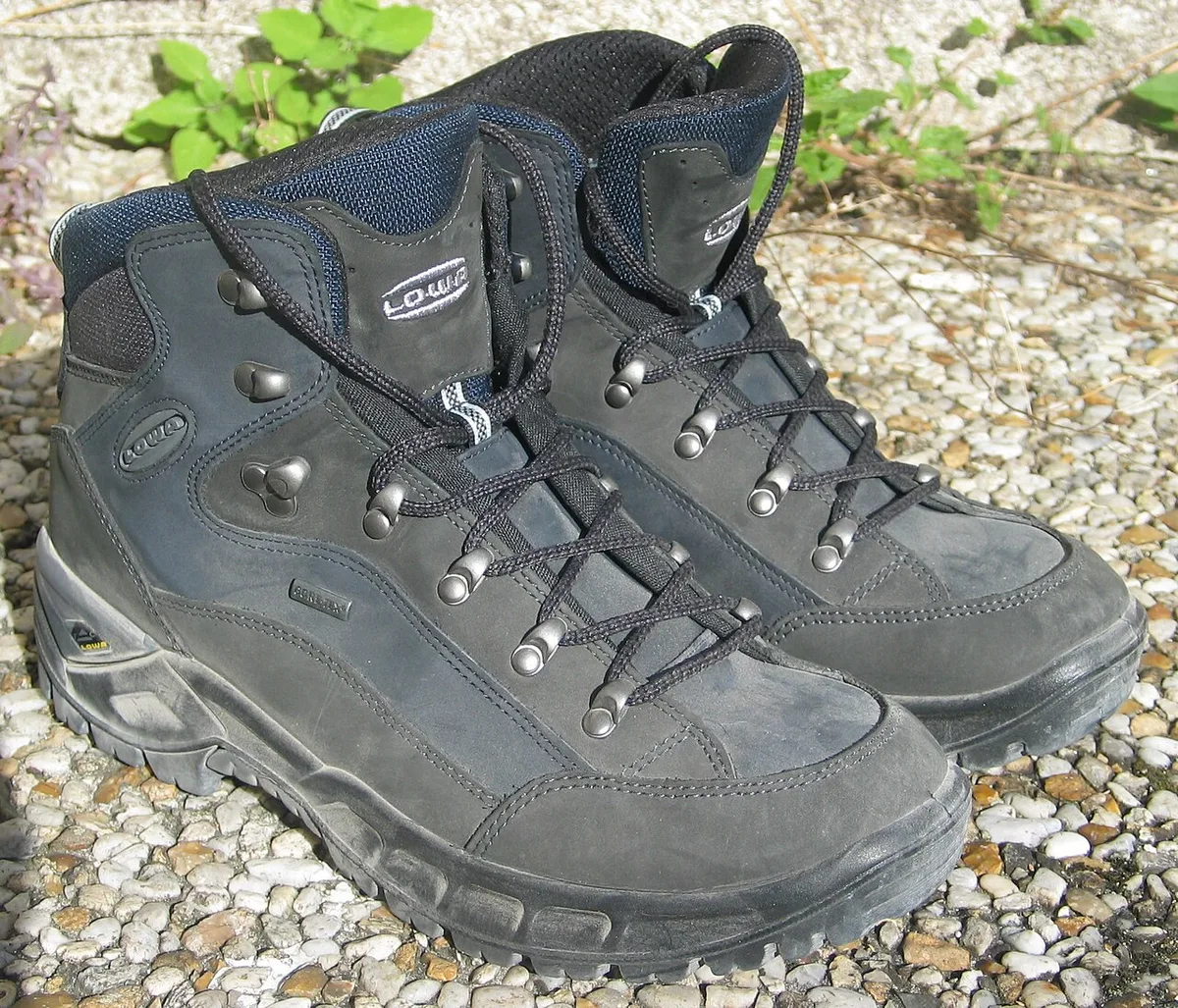
Your final capacity note should identify the model, stated volume, definition source and the actual contents or demonstration assessed. Mark what remains untested. The pole photograph illustrates a compact configuration that has its own dimensions, while the boot photograph provides equipment context. Neither is proof of a particular packing result. The generated lead image is conceptual, not a comparative product test. A useful conclusion explains why a specific pack remains on the shortlist and which questions need answers before purchase, rather than declaring a litre figure universally sufficient.