Make a loaded pack fitting worth the visit
Bring the actual trip brief and a documented trial configuration to a pack fitting, keeping personal observations distinct from load advice.
Updated:
Prepare the purpose of the fitting
A pack fitting should answer questions about a specific product and the way you intend to use it. Bring the trip brief and a list of the equipment you expect to discuss, while recognising that a complete trip-equipment assessment is a separate task. Identify whether the pack is being considered for the same intended use as another option. Without that context, a shop trial can become a comparison of attractive features rather than a meaningful look at fit, access and the documented configuration.
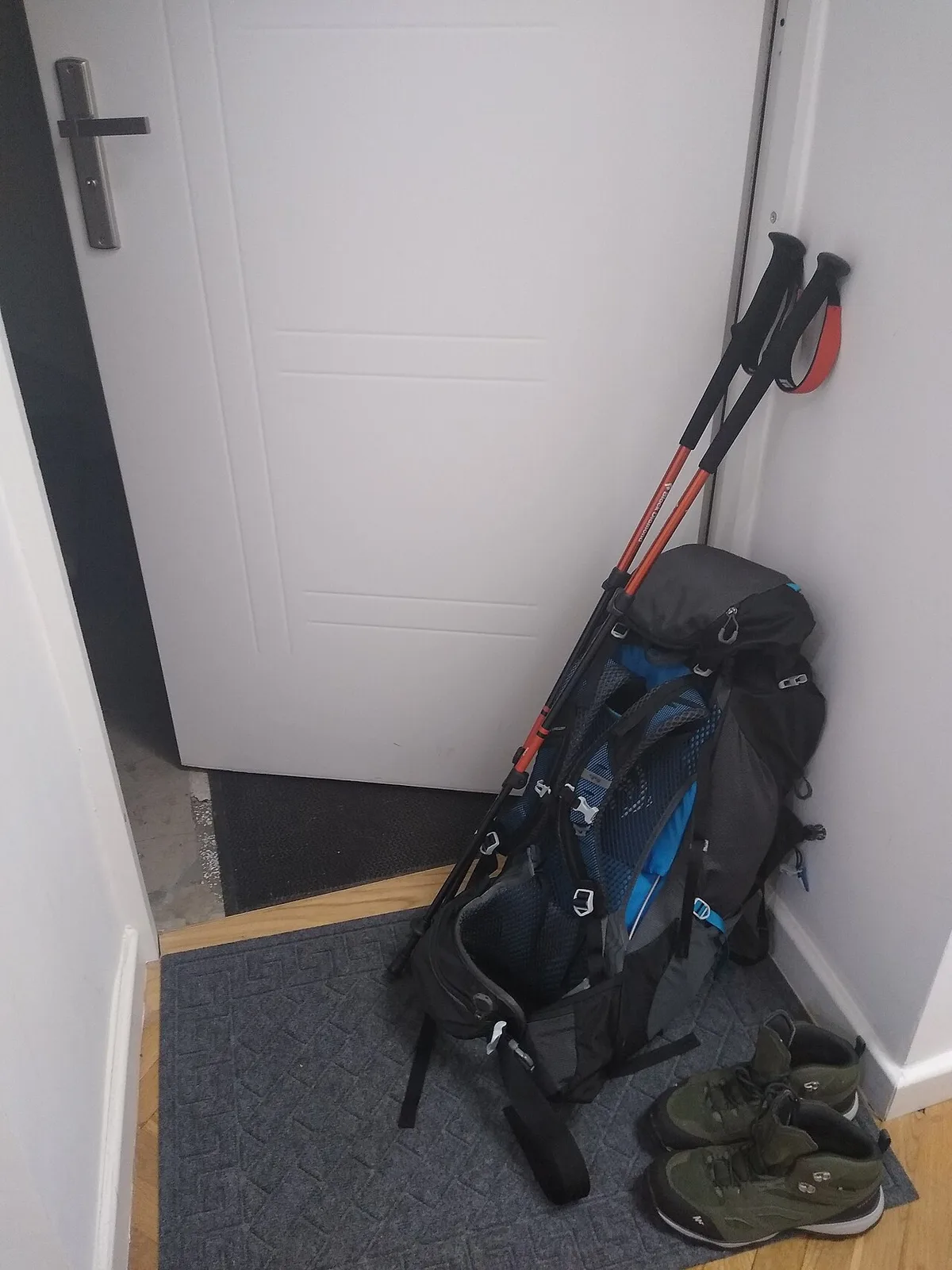
Keep the load description with the observation
Bushwalking Victoria's pack guidance, checked on 2026-10-27, recommends trying a pack loaded and correctly adjusted. Arrange a suitable trial with the retailer and record what was actually used, following their instructions. This guide does not prescribe a safe load for you or a percentage of body weight. An observation made with one configuration should not be presented as a guarantee for a different trip load. If an individual health concern affects carrying, obtain appropriate professional advice rather than treating a calculator or product label as an assessment.
Identify the model and fit system
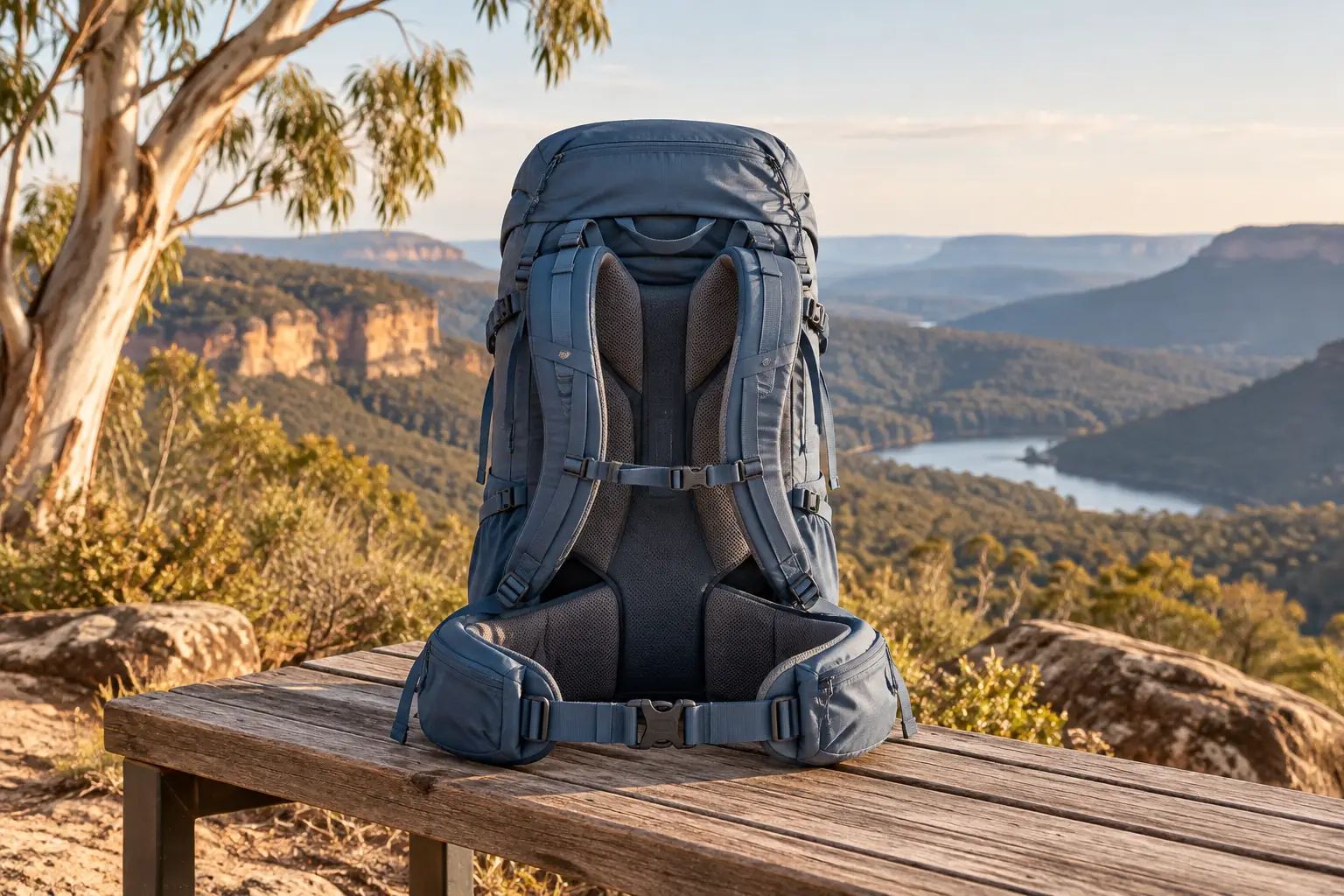
Write down the exact pack model and size option, along with the adjustment information supplied by the manufacturer or retailer. Do not assume that a named capacity also identifies the back length or fit. Ask where the official instructions explain the intended adjustments and retain that reference. The real pack photograph shows straps and a hip belt, but it cannot demonstrate their fit on your body. Visual similarity between two packs is not proof that their adjustment ranges, construction or intended use are equivalent.
Observe access as well as carrying
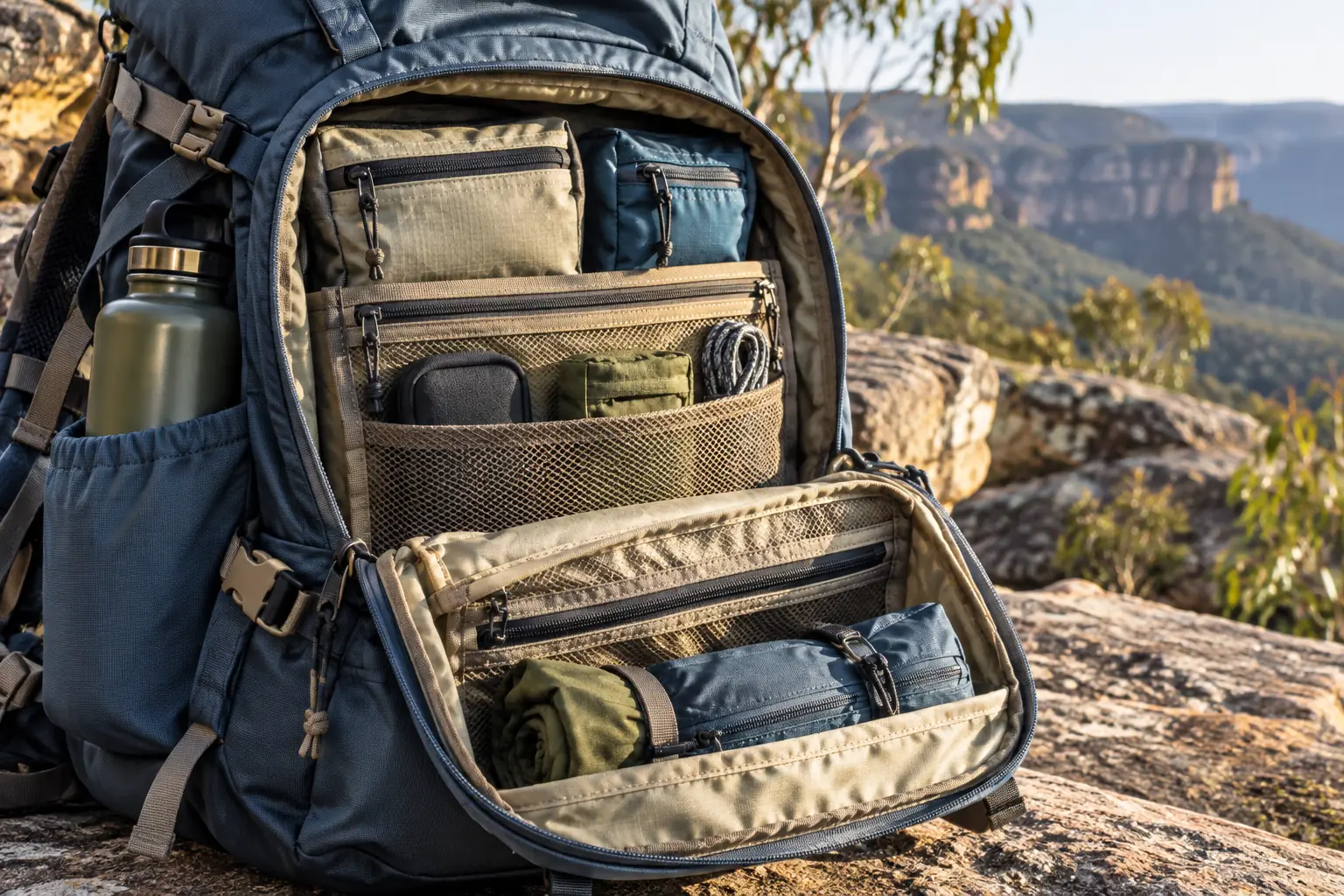
Within the permitted demonstration, consider how you would identify and reach the items discussed in your brief. Note openings, pockets and closures without assuming that more features automatically make a better pack. Ask about the configuration of any proposed accessory and whether it is included. Keep your observations specific: for example, which opening was tried and what question it answered. Do not turn a brief shop session into an unsupported claim about weather protection, long-term durability or comfort across every terrain and duration.
Keep the quote matched to the trial
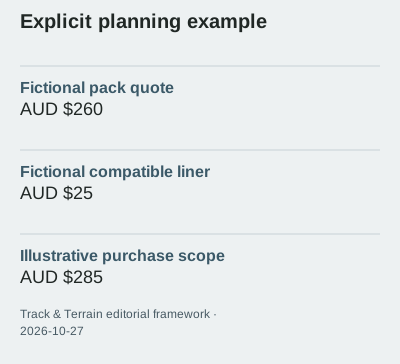
For a fictional example, a pack at AUD $260 and a compatible liner at AUD $25 create an AUD $285 purchase scenario. The liner is approximately 8.8% of that invented total. These amounts are not current Australian prices and do not establish that the liner is necessary or suitable for a particular pack. Ask for a dated quote covering the exact configuration you assessed. A different accessory package may be worth considering, but the distinction belongs in the record rather than being hidden behind the same model name.

Leave with questions you can act on
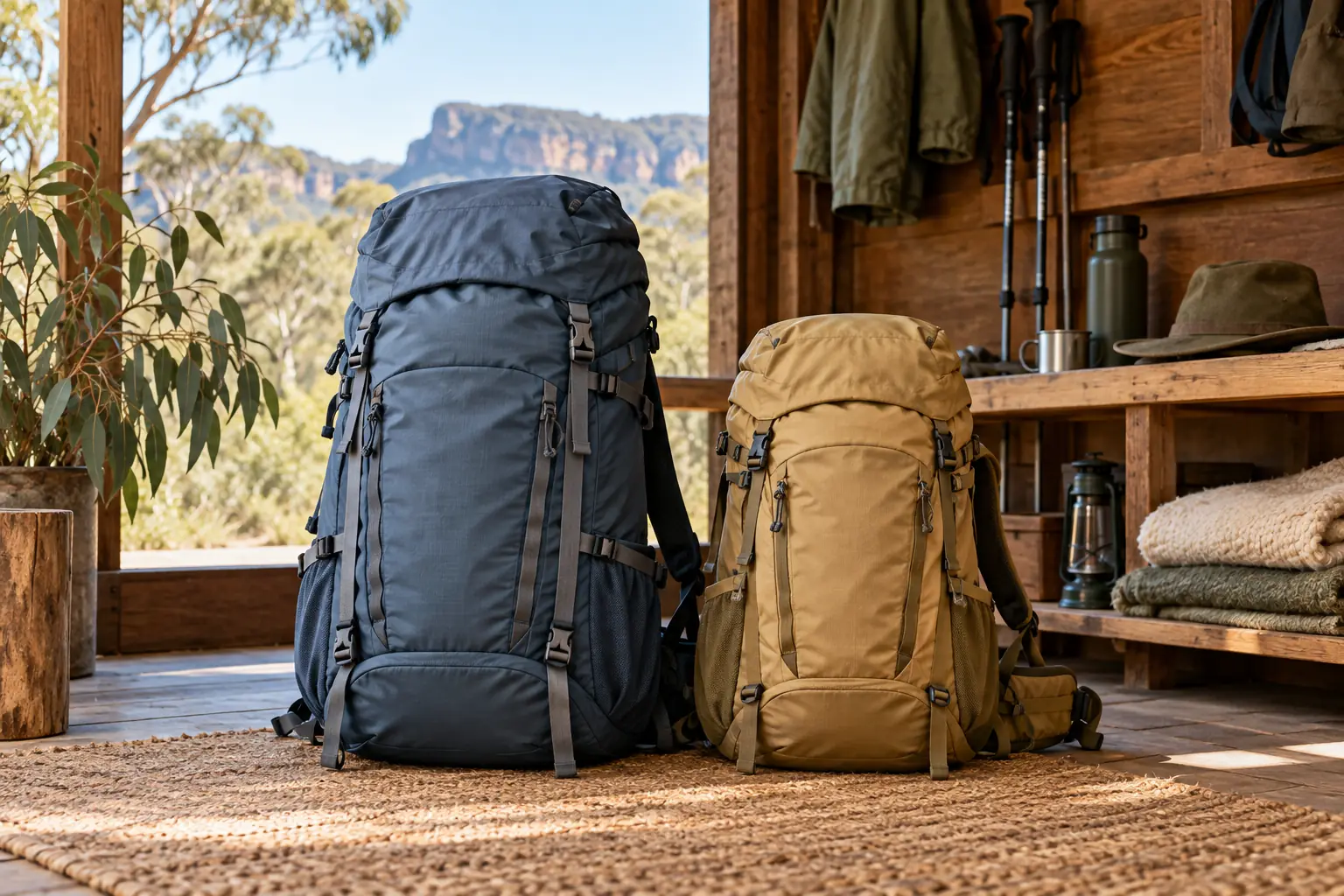
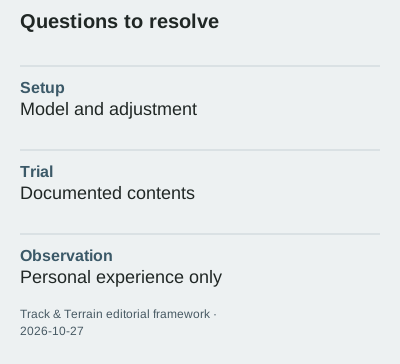
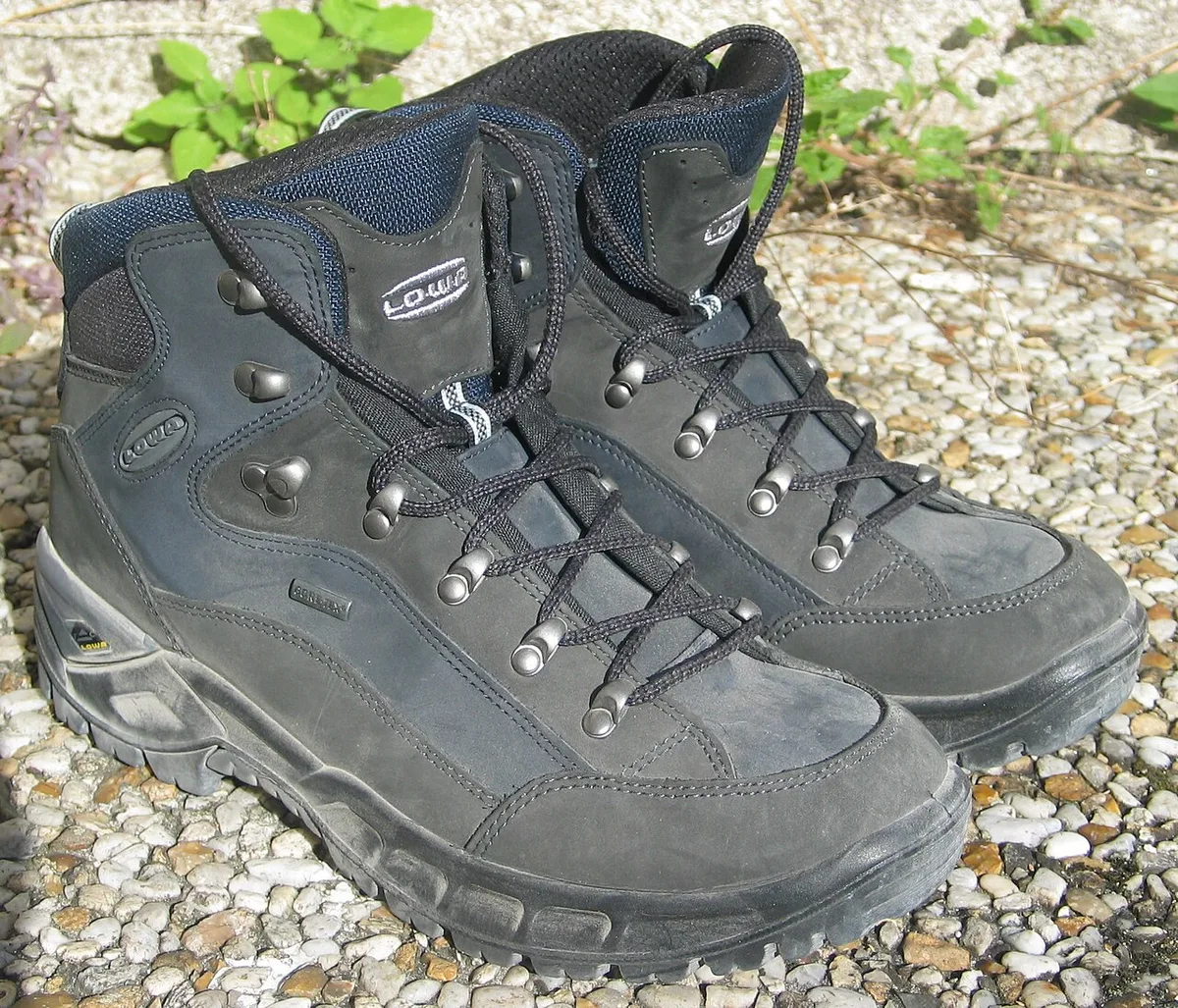
Summarise the model, adjustment information, trial contents and personal observations. Mark the conditions that the shop session did not reproduce. The footwear and pole photographs show related equipment as separate items, not a complete packing prescription. The generated lead image is conceptual. Track & Terrain has not conducted your fitting or verified a safe carrying load. A useful fitting record allows you to explain a preference, seek a more precise answer and revisit the decision when the intended trip or equipment changes.