Read a walking-track grade as a set of questions
Use the official walking-track grade to organise questions about the intended route and current conditions.
Updated:
Keep the grade attached to the actual route
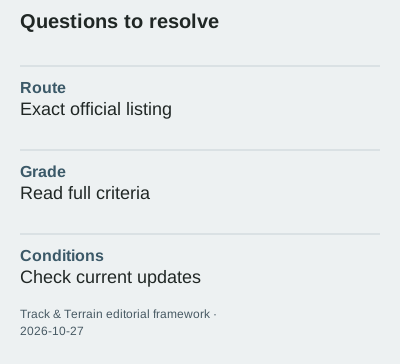
A walking-track grade is most useful when you have identified the exact official route description. Save that listing alongside the intended location and the date you consulted it. Do not transfer a grade from a neighbouring track, a shortened version of a route or an informal social-media description. This guide helps organise questions for a gear enquiry. It does not assess your abilities, certify equipment or decide whether an activity is appropriate for an individual or group.
Read beyond the single number
NSW National Parks explains that the Australian Walking Track Grading System considers experience, steps, gradient, path quality and signage. Its explanation, reviewed on 2026-10-27, says the final grade reflects the most difficult criterion rather than an average. Read the full official description instead of treating the number as a complete summary. A grade is not a product specification for footwear or poles, and it should not be converted into a universal shopping list without considering the actual activity and appropriate advice.
Turn the description into explicit questions
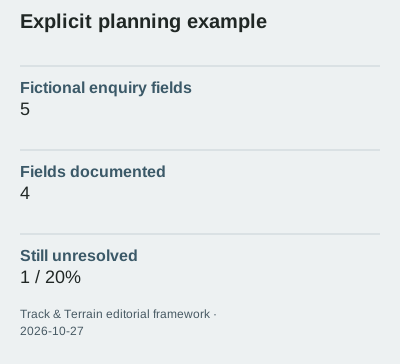
Identify which details you understand and which need clarification from the relevant park office or an experienced leader. Keep questions about the route separate from questions about a product's documented scope. In an invented five-field enquiry, four completed fields leave one unresolved, or 20%. This is a recordkeeping calculation, not a readiness score. It cannot tell you that a route is safe or that a missing answer is unimportant. Retain the unanswered question in its original form until there is useful evidence.
Avoid grading the person or the gear
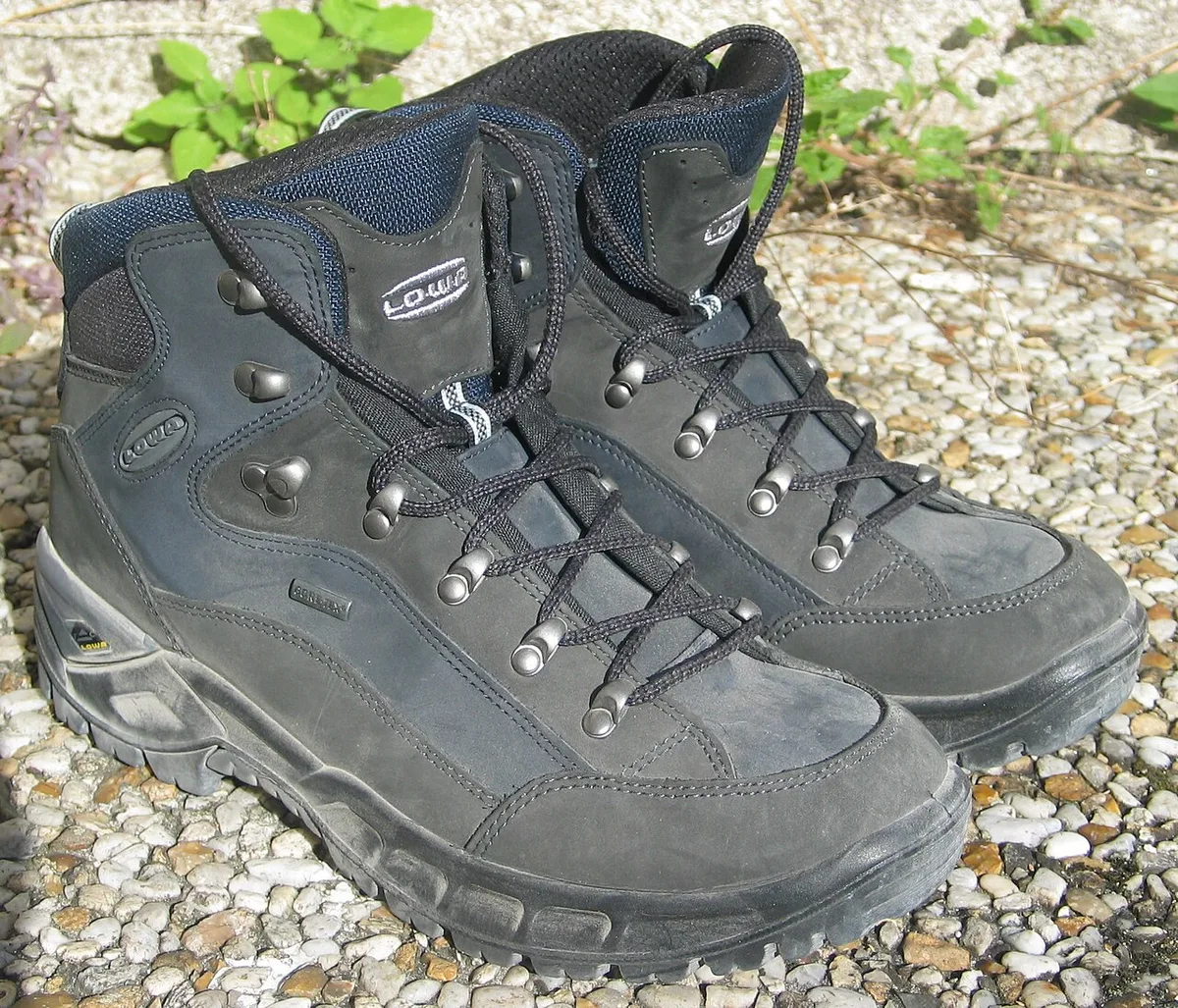
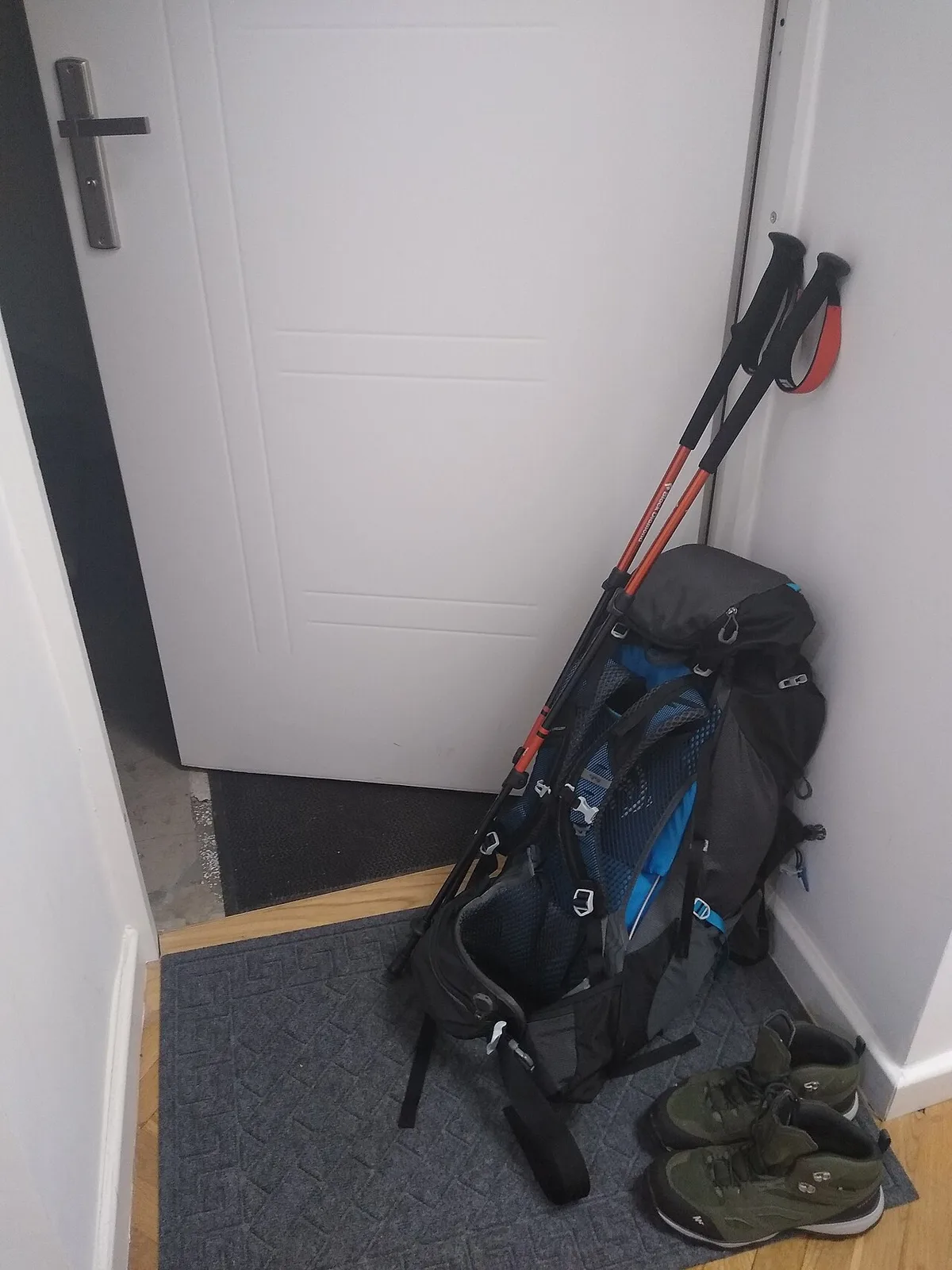
A route label does not establish the experience of a particular walker, the condition of their equipment or the current weather. Likewise, a boot described as technical does not demonstrate suitability for every track with a particular grade. Keep these categories separate in the comparison record. The real photographs here show equipment forms only; they are not a tested kit for a graded walk. The generated lead image depicts a generic outdoor concept and cannot be used to identify a route or infer its grading.
Keep costs outside the route assessment
A fictional AUD $160 footwear quote and AUD $40 accessory quote total AUD $200. These invented prices illustrate a purchase budget, not a preparation requirement. Spending that amount does not establish competence or resolve a route question. Record actual offers only when the exact model, package and current terms have been checked. If the route information changes the enquiry, revise the purchasing questions rather than assuming that an existing purchase makes the intended activity appropriate or that a higher price changes its demands.

Return to current official information
Before relying on the record, revisit the official listing and applicable current updates. Preserve the distinction between the general grading explanation and information specific to the intended walk. Track & Terrain has not inspected the route or assessed your circumstances. A useful brief lets a knowledgeable person see what you are considering and what remains uncertain. It should make the next conversation clearer while leaving the actual activity decision grounded in current information, relevant experience and appropriate preparation rather than a single number.