Keep current weather information in the gear brief
Keep dated official weather and park information beside the gear enquiry without converting a forecast into a product guarantee.
Updated:
A gear list needs a current context
A saved equipment list can be useful, but it does not describe the conditions for every future walk. Start a weather brief with the intended location and date, then identify the official information you need to check. Keep the source and time of each check visible. This guide is about organising an enquiry, not interpreting a hazardous forecast or deciding whether a walk should proceed. A new jacket or a different pair of boots cannot substitute for understanding the activity's demands and obtaining appropriate advice.
Use the official sources for their proper purpose
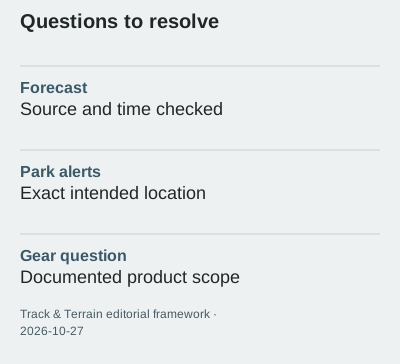
NSW National Parks' bushwalking guidance, reviewed on 2026-10-27, directs walkers to current weather forecasts and park alerts. Parks Victoria also points readers towards current park conditions and preparation information. These are prompts to check the actual situation, not static statements that a route is open or suitable today. Save the exact park or route reference rather than a general destination name. If the information is unclear, contact the relevant park office or an appropriately experienced leader instead of inferring an answer from a product description.
Keep the date with every note
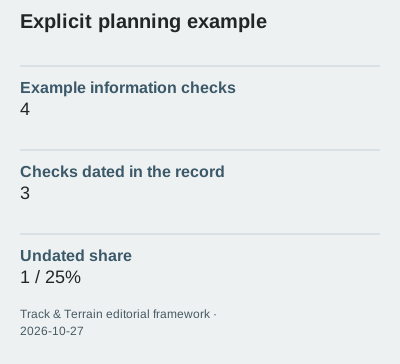
An undated screenshot or copied forecast can lose its meaning quickly. Record when you checked the source and distinguish it from a general equipment document that may have a different update cycle. In an explicitly fictional four-item information record, three dated checks leave one undated, or 25% of the list. This measures record completeness, not safety or forecast confidence. It should not be used as a pass score for a trip. A single missing consequential update can matter more than several completed administrative fields.
Turn conditions into questions, not guarantees
Use the official information to frame questions about the intended gear configuration and its documented scope. Ask what the exact manufacturer instructions say and what remains uncertain. Do not translate a forecast into an unsupported claim that a garment will keep every person comfortable or that footwear will perform on every surface. Track & Terrain has not tested the products under the conditions of your proposed walk. If the situation requires specialist judgement, a general buying guide and a calculator are not substitutes for it.
Keep purchase decisions separate from permission
A fictional AUD $40 accessory added to an AUD $200 garment makes an AUD $240 budget scenario, but the arithmetic does not establish that the combination is adequate for a particular weather situation. These are invented prices, not current offers. Keep any actual quote and compatibility information in the purchase record while the trip decision remains grounded in current official guidance and appropriate advice. Do not let money already spent become a reason to ignore changing conditions or an unresolved question about the intended activity.

Refresh the brief before relying on it
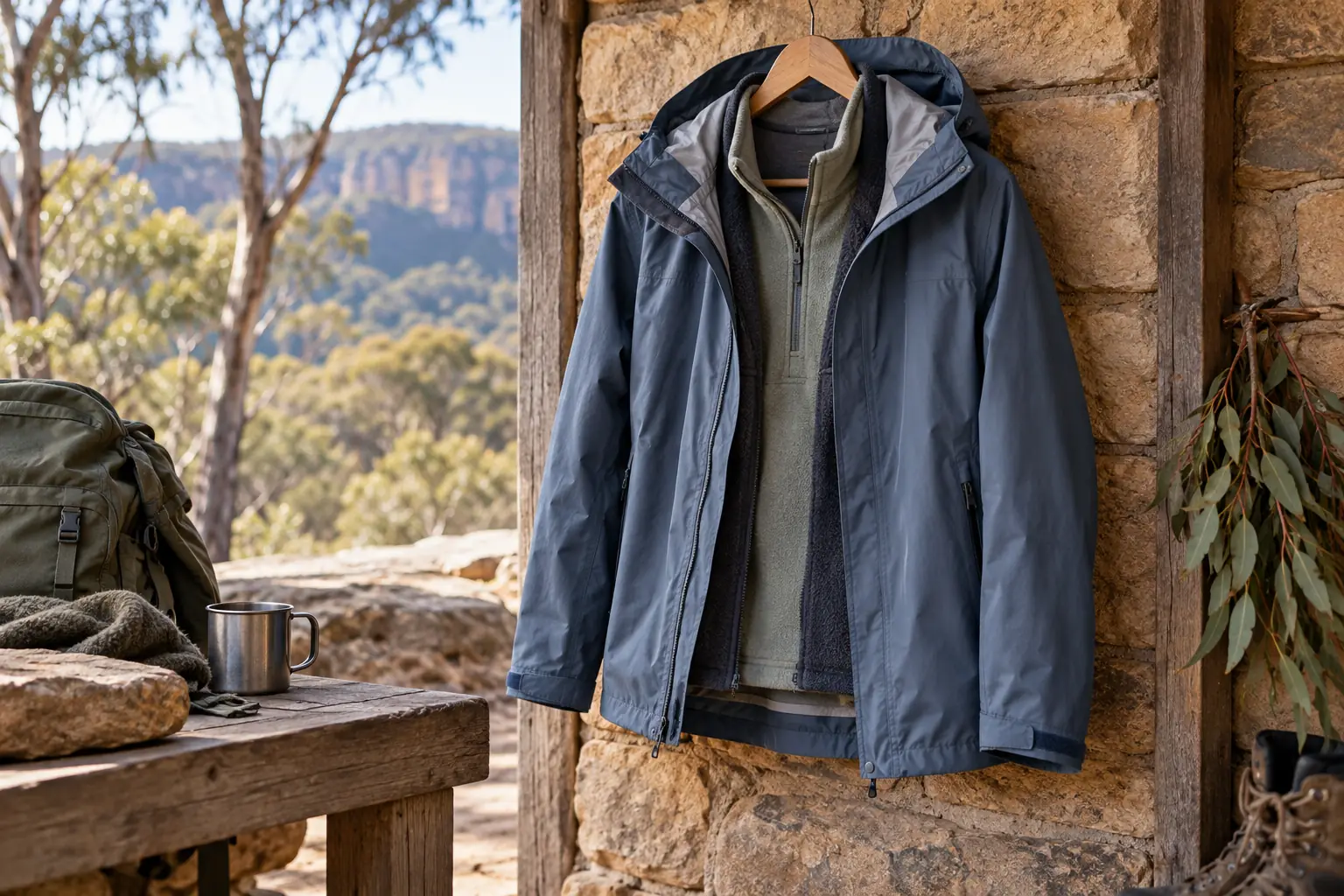
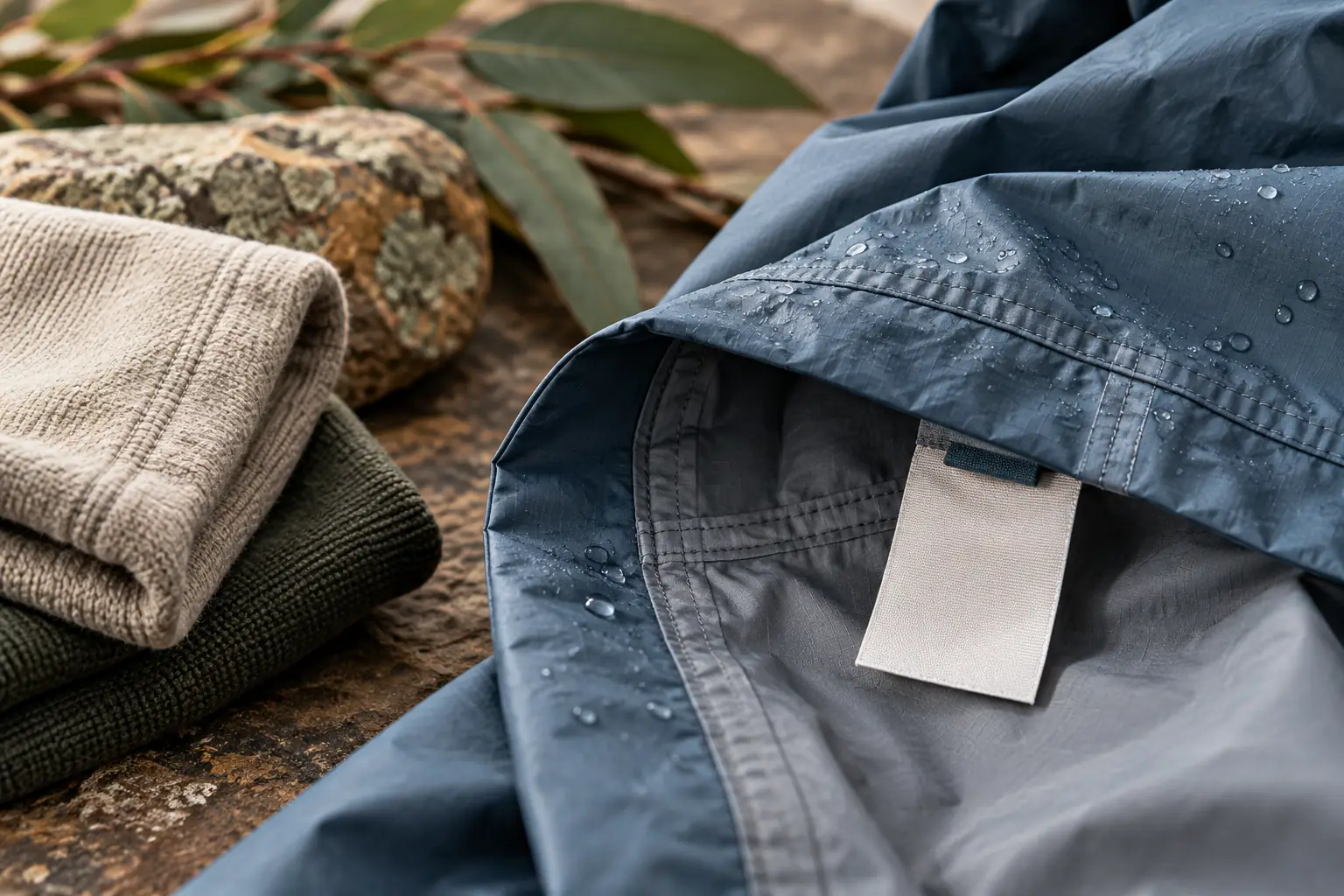
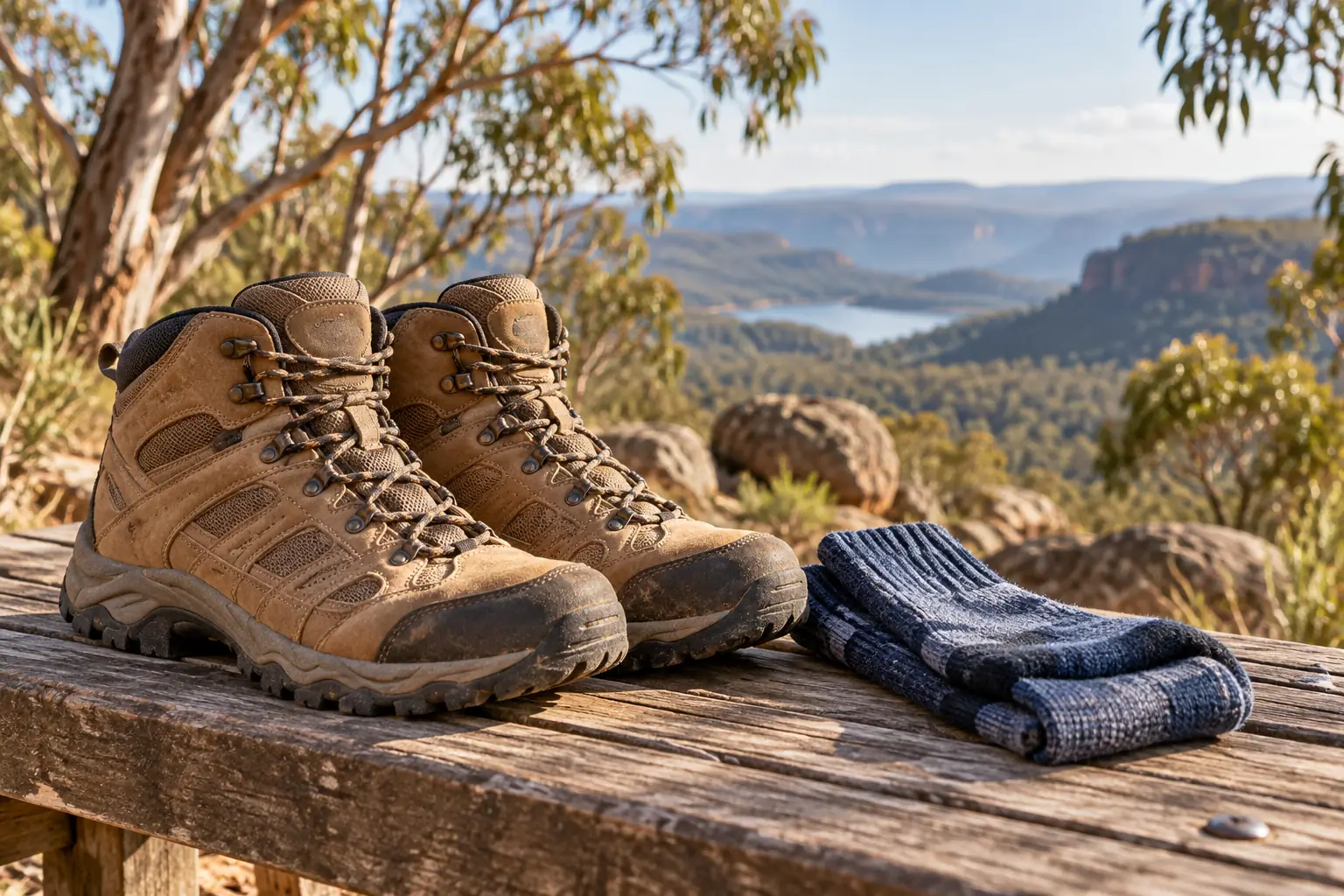
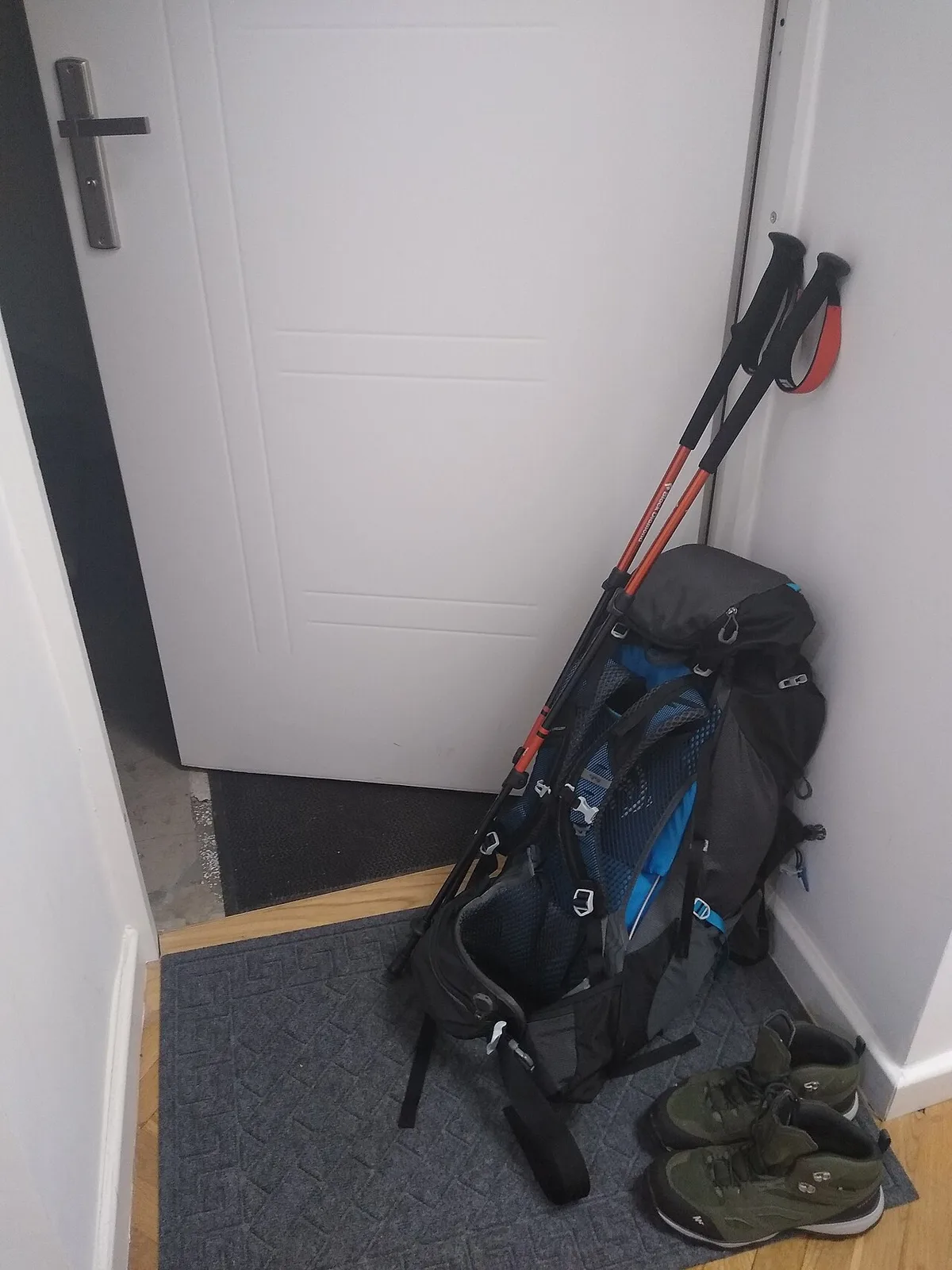
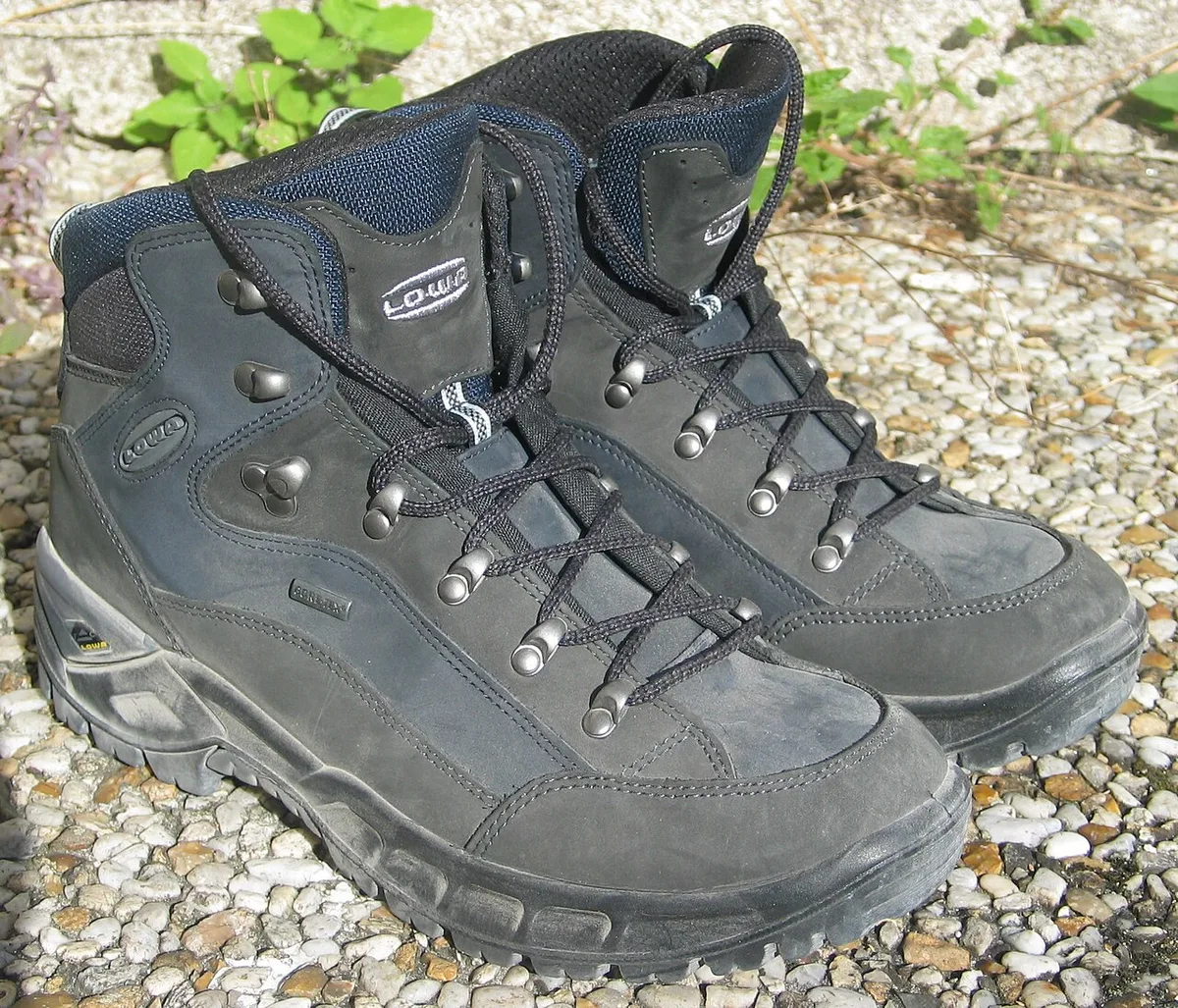
Revisit the official sources at the relevant time and retain the distinction between current information and earlier planning notes. The real equipment photographs show separate items and configurations; they are not a recommended kit for a forecast. The generated lead image is conceptual and does not depict current conditions at a named location. A useful weather brief makes uncertainty easier to see. It helps a supplier or leader understand your questions without pretending that a static gear page can provide a complete or lasting assessment of the outdoors.
NSW National Parks: Bushwalking safety ? Parks Victoria: Hiking and bushwalking ?