Try a rain layer with the clothing it will cover
Assess a rain layer with the intended clothing underneath and keep garment features separate from untested weather-performance claims.
Updated:
Bring the intended layers into the question
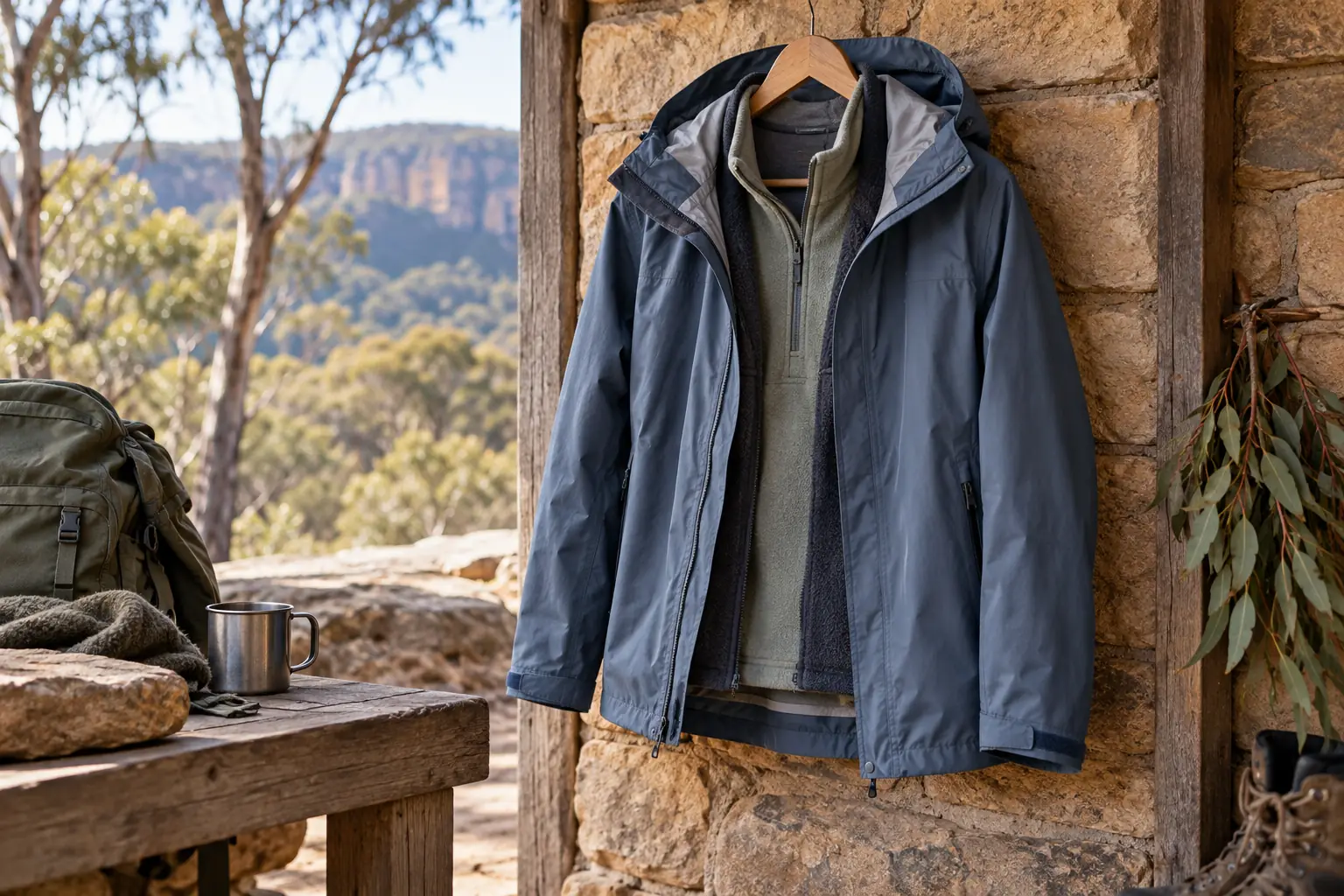
A rain-layer fitting is more useful when it reflects the clothing you expect to wear with it. Identify that configuration before comparing sizes or features. This is a garment-selection exercise, not a complete clothing prescription for a route or forecast. The appropriate equipment and preparation still depend on the activity and current conditions. A shell that looks generous on a hanger does not establish how it works with your own layers, and a neat photograph cannot show whether the arrangement suits your movements.
Record what was actually tried
Write down the garment model, labelled size and the clothing used underneath during a permitted fitting. Bushwalking Victoria's clothing guidance, checked on 2026-10-27, discusses accommodating layers beneath an outer garment. Use that point to organise a consistent trial rather than inventing a universal sizing rule. If you change the layers between products, record the change. Keep the observations tied to that exact setup so a later comparison does not attribute every difference to the shell alone.
Look at features through practical questions
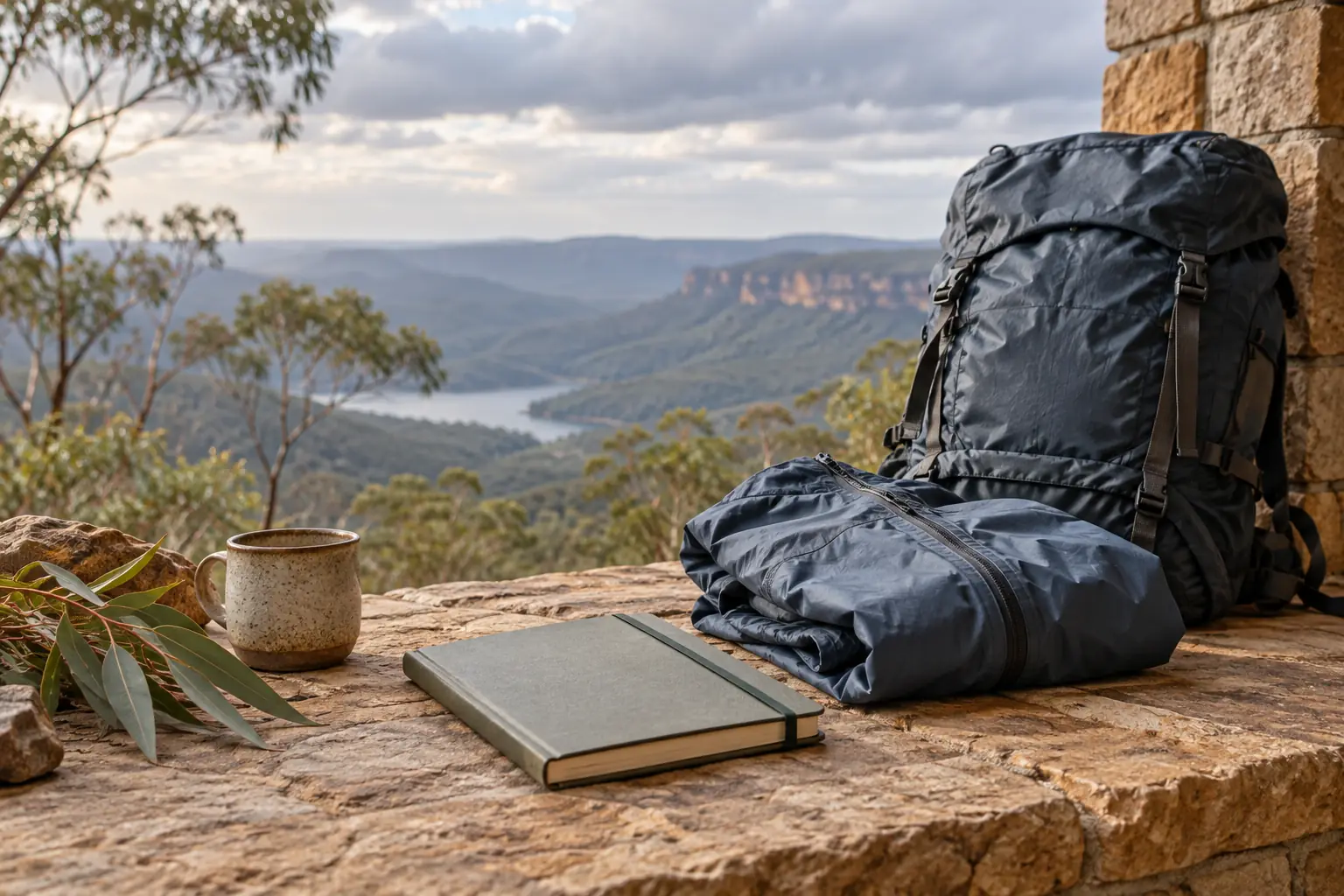
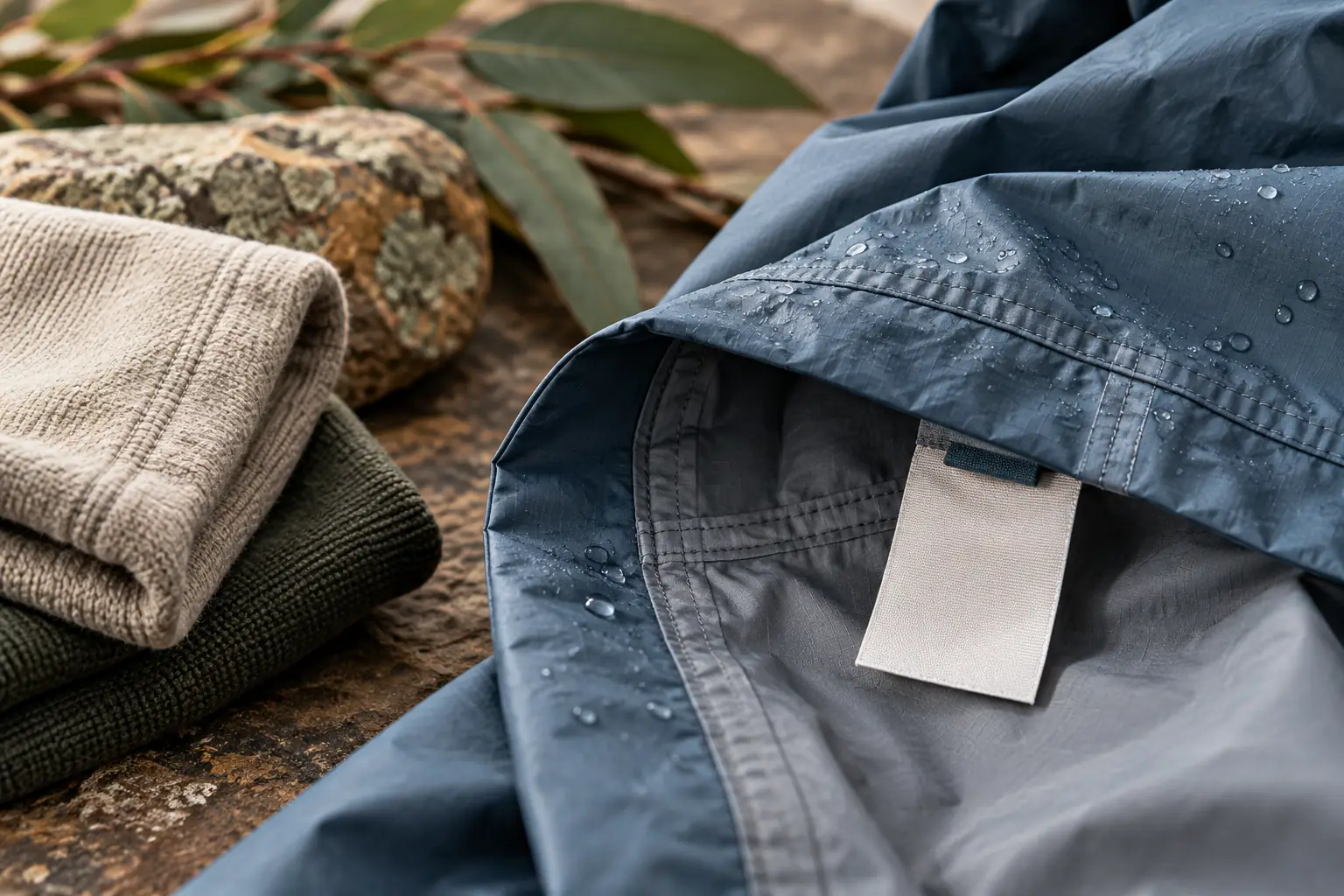
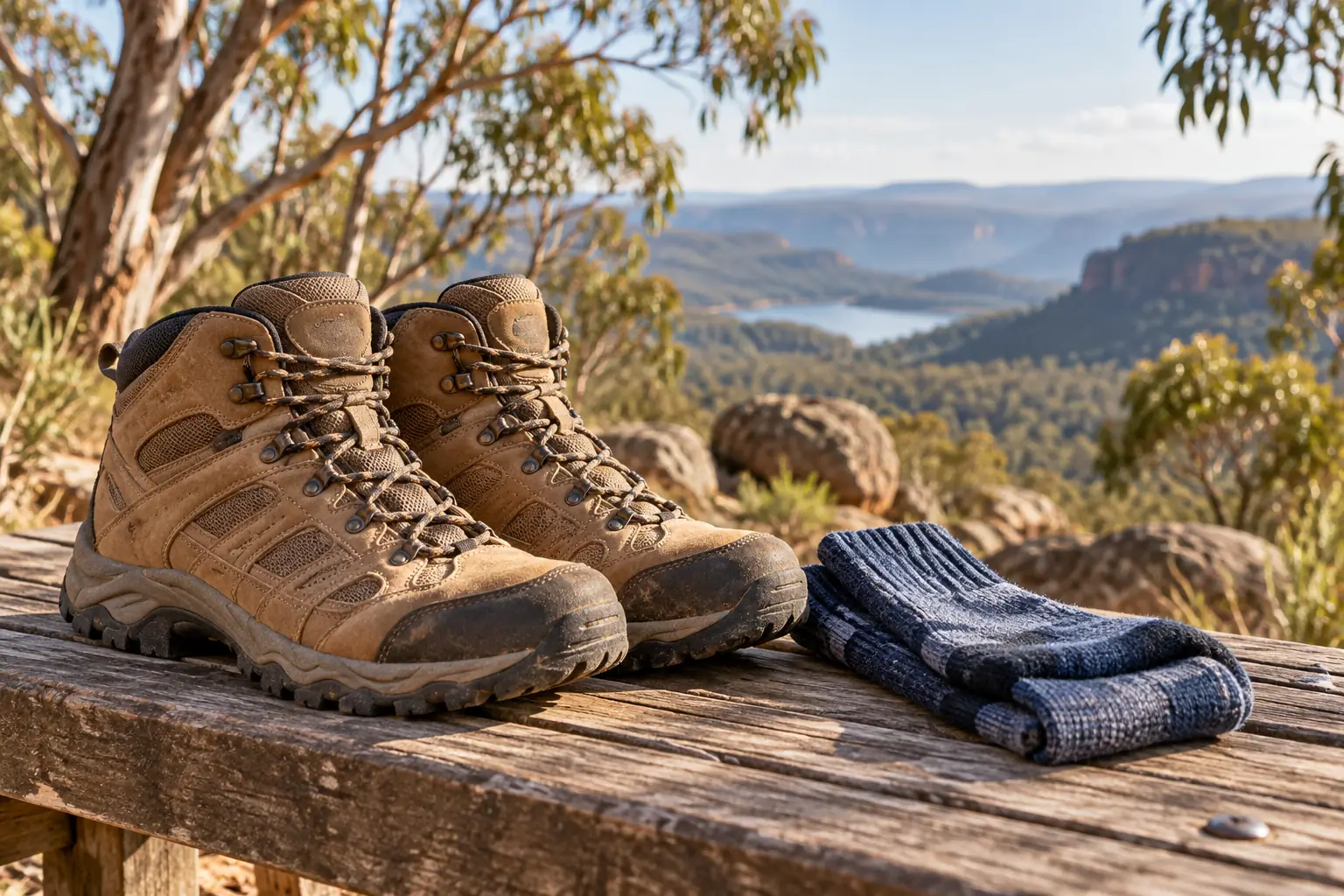
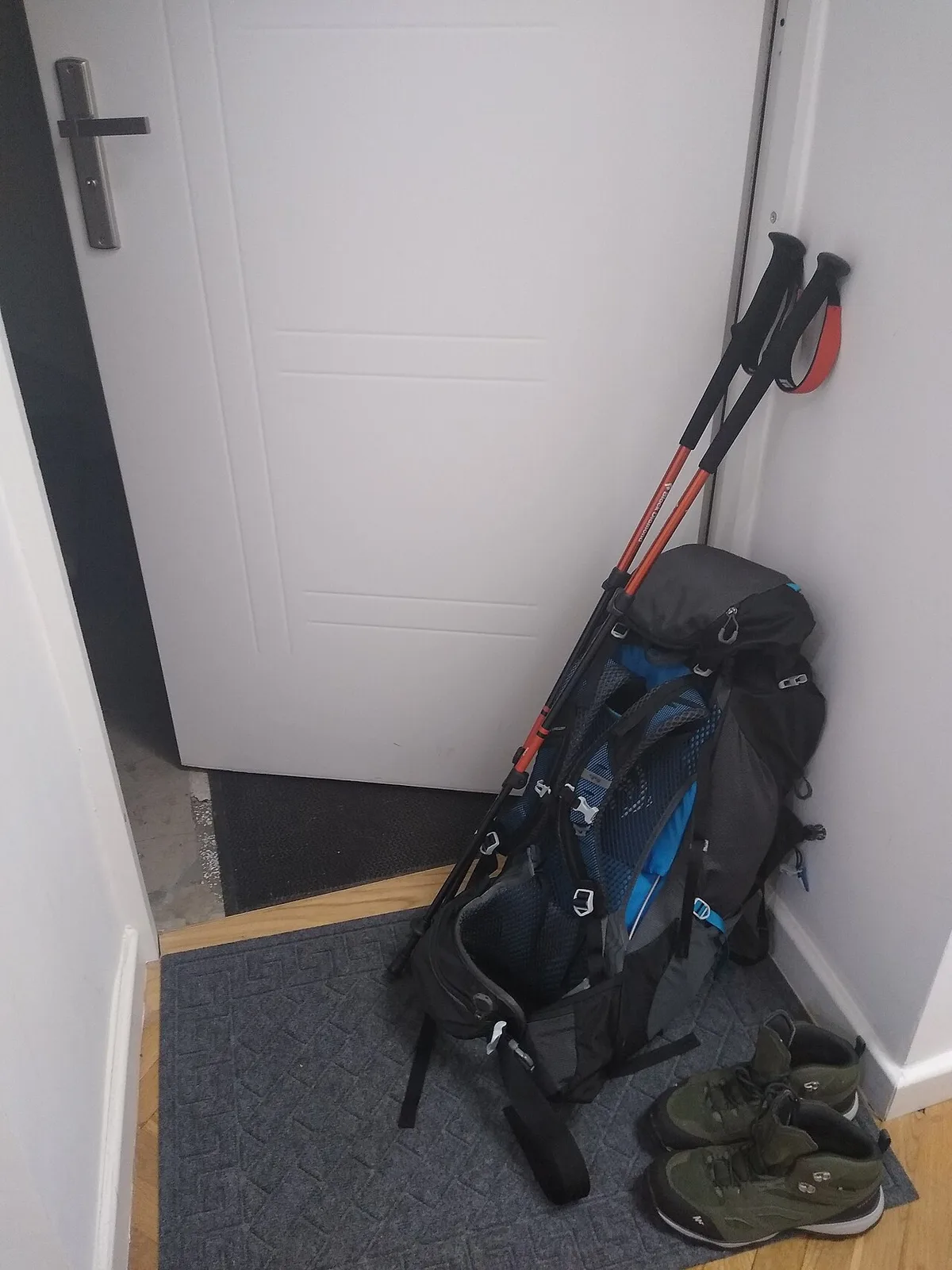
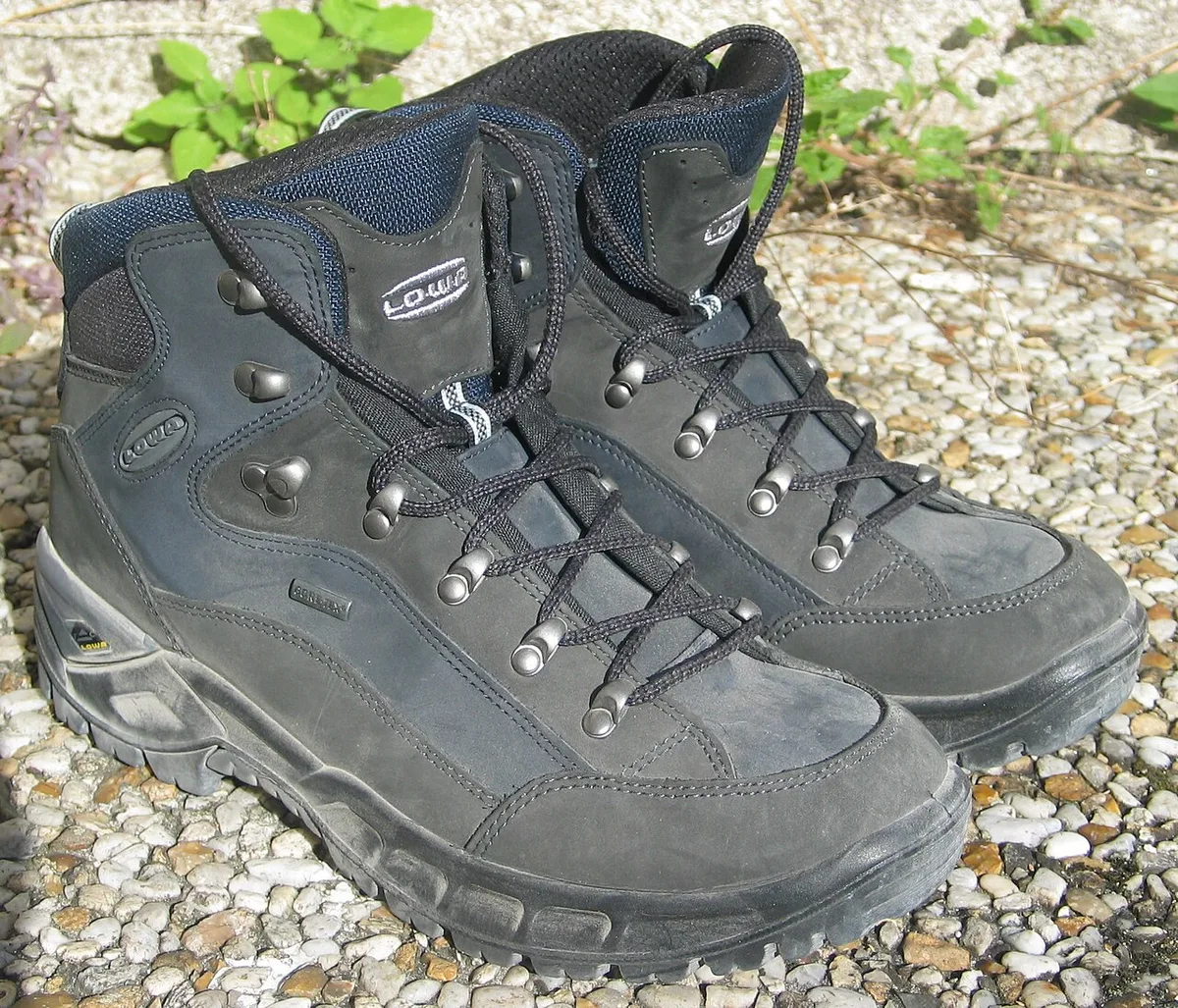
Ask how the manufacturer describes the hood, closures, pockets and ventilation features on the exact model. Within the retailer's instructions, observe the movements relevant to your intended use. Keep the questions concrete rather than assuming a longer feature list means better performance. The equipment photographs in this guide show separate gear forms and configurations, not a tested clothing system. They do not demonstrate weather protection, and this publication has not tested the garment's waterproofness, breathability or durability.
Separate a fitting from a weather test
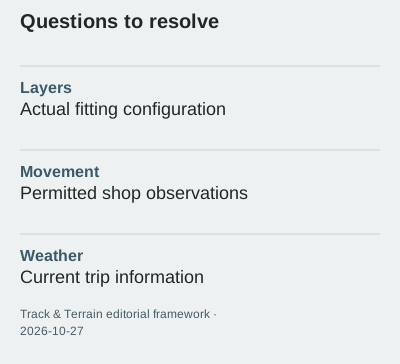
An indoor trial can help you understand the configuration, but it does not reproduce wind, rain or a long activity. Record those limits. In a fictional six-question fitting sheet, four documented answers would leave two unresolved, or about 33.3%. That percentage describes the enquiry, not the garment's protection level. A critical unanswered question should remain visible rather than disappearing inside an average score. Read the manufacturer's claims with their stated conditions and avoid turning a marketing term into a promise about every trip.
Keep care and cost in the same record
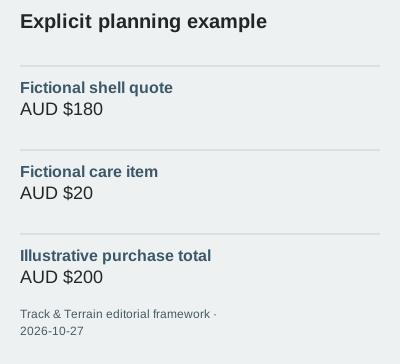
Locate the exact garment's care label before choosing treatments or assuming another jacket's routine applies. For a fictional budget example, an AUD $180 shell plus an AUD $20 care item totals AUD $200. Those are invented amounts, not current Australian prices or a recommendation to buy a particular treatment. Compatibility and care instructions must be established separately. Save a current quote with the model and package details, and distinguish optional products from anything the manufacturer actually specifies.

Revisit the fit when the setup changes
Your conclusion should identify the configuration tried, personal observations and questions still requiring evidence. A change in underlying clothing or intended activity may require another assessment. The generated lead image is a generic concept, not a product trial or a named location. The real photographs provide equipment context only. Track & Terrain does not certify a garment or a trip. A clear fitting record supports a more informed purchase while leaving weather suitability and the wider preparation process with the current guidance and appropriate advice they require.