Check trekking-pole accessory compatibility
Match trekking-pole tips, baskets and replacement components to exact model documentation before comparing prices.
Updated:
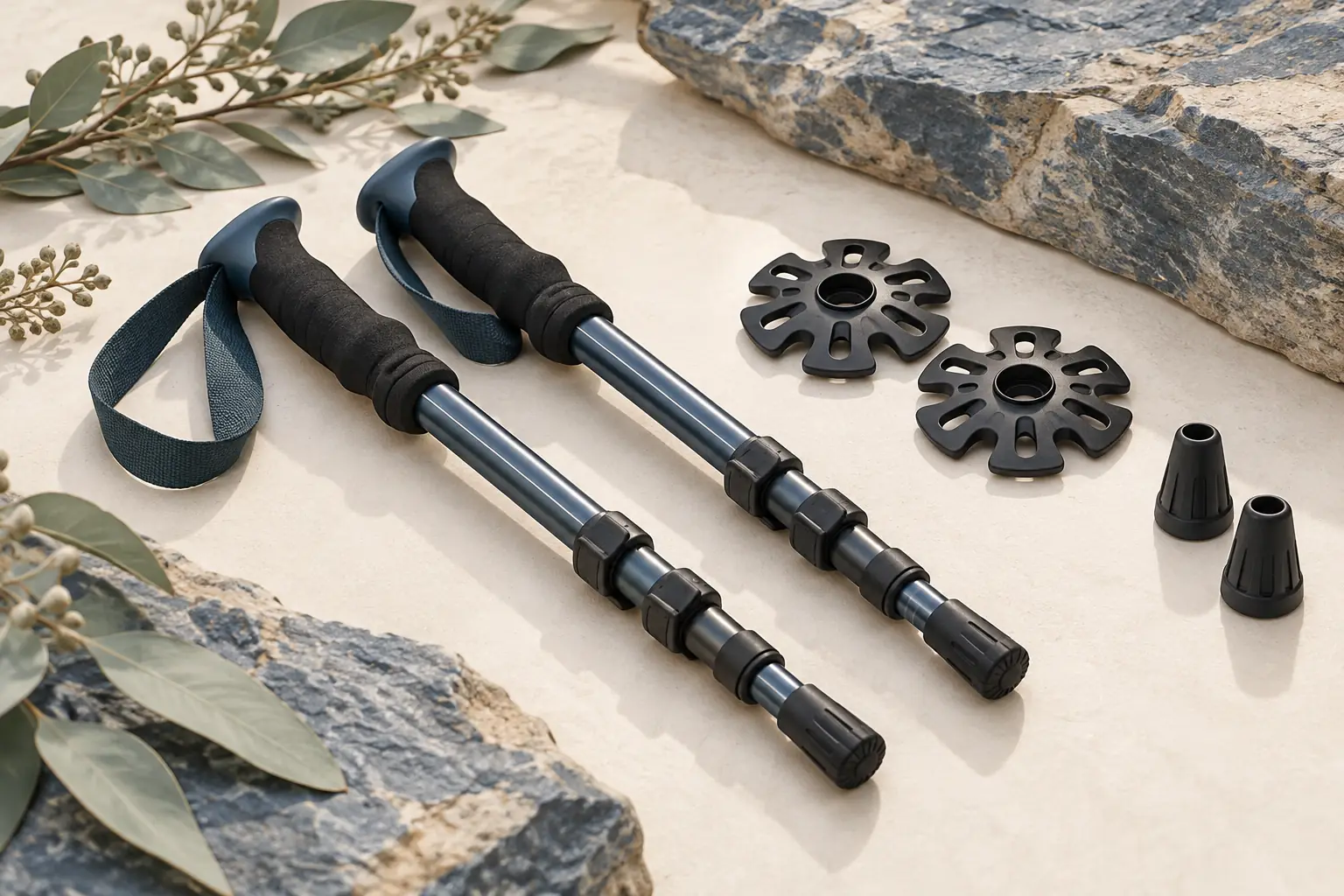
A similar shape is not a compatibility statement
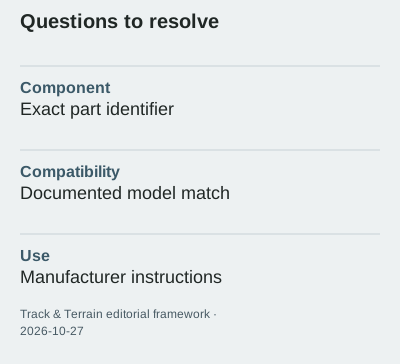
An accessory can resemble the part on an existing pole without being documented for that model. Start with the pole's identifier and the accessory's exact part reference. Save the manufacturer's compatibility information where available and ask official support when the connection is unclear. This guide covers purchase records, not installation or modification. Do not infer that a tip, basket or replacement section is suitable from its colour, approximate diameter or placement beside a product in a retailer's photograph.

Separate supplied parts from optional extras
Read the package description carefully and list the components actually included. Distinguish a supplied item from an optional accessory and from a replacement part. Bushwalking Victoria's walking-pole page, checked on 2026-10-27, reinforces the role of manufacturer instructions in adjustment; the same model-specific enquiry is useful when locating component documentation. This does not mean the manual endorses a particular accessory. The evidence for a specific pairing must come from the applicable product information or a clear response from the responsible supplier.
Record uncertainty without creating a score
A fictional four-component enquiry might have three documented model matches and one unresolved match. The unresolved share is 25%, but that percentage is merely an administrative description. It is not a measure of suitability or permission to use the remaining part. Keep the unknown component visibly separate. If the seller cannot establish the match, do not convert an approximate visual resemblance into a positive answer. A tidy spreadsheet should preserve uncertainty rather than hiding it behind a completed-looking total.
Compare the delivered package honestly
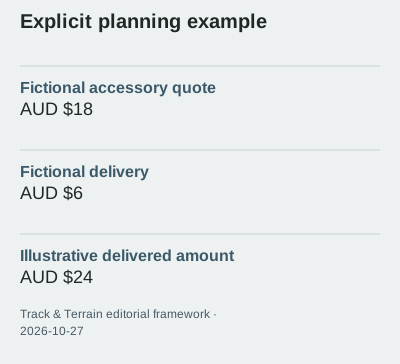
For an invented budget example, an AUD $18 accessory and AUD $6 delivery produce an AUD $24 delivered amount. Delivery is 25% of this fictional total. These are not current market prices or an endorsement of the purchase. A real comparison should identify quantity, exact part number, seller, date and terms. Two offers with different quantities or documented compatibility are not automatically equivalent, even when the product names use similar words. Keep an unverified substitute outside the confirmed comparison.
Avoid turning imagery into instructions
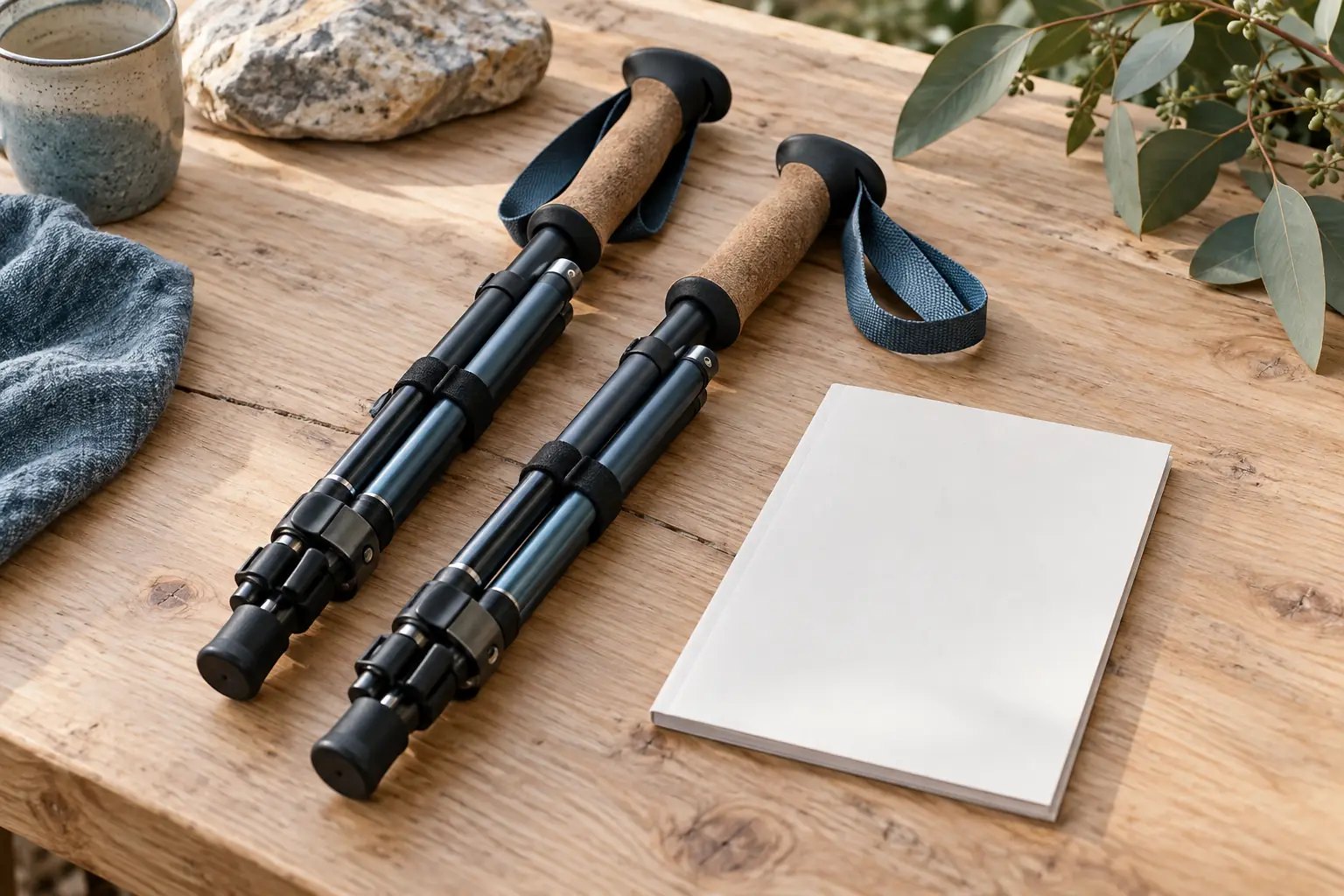
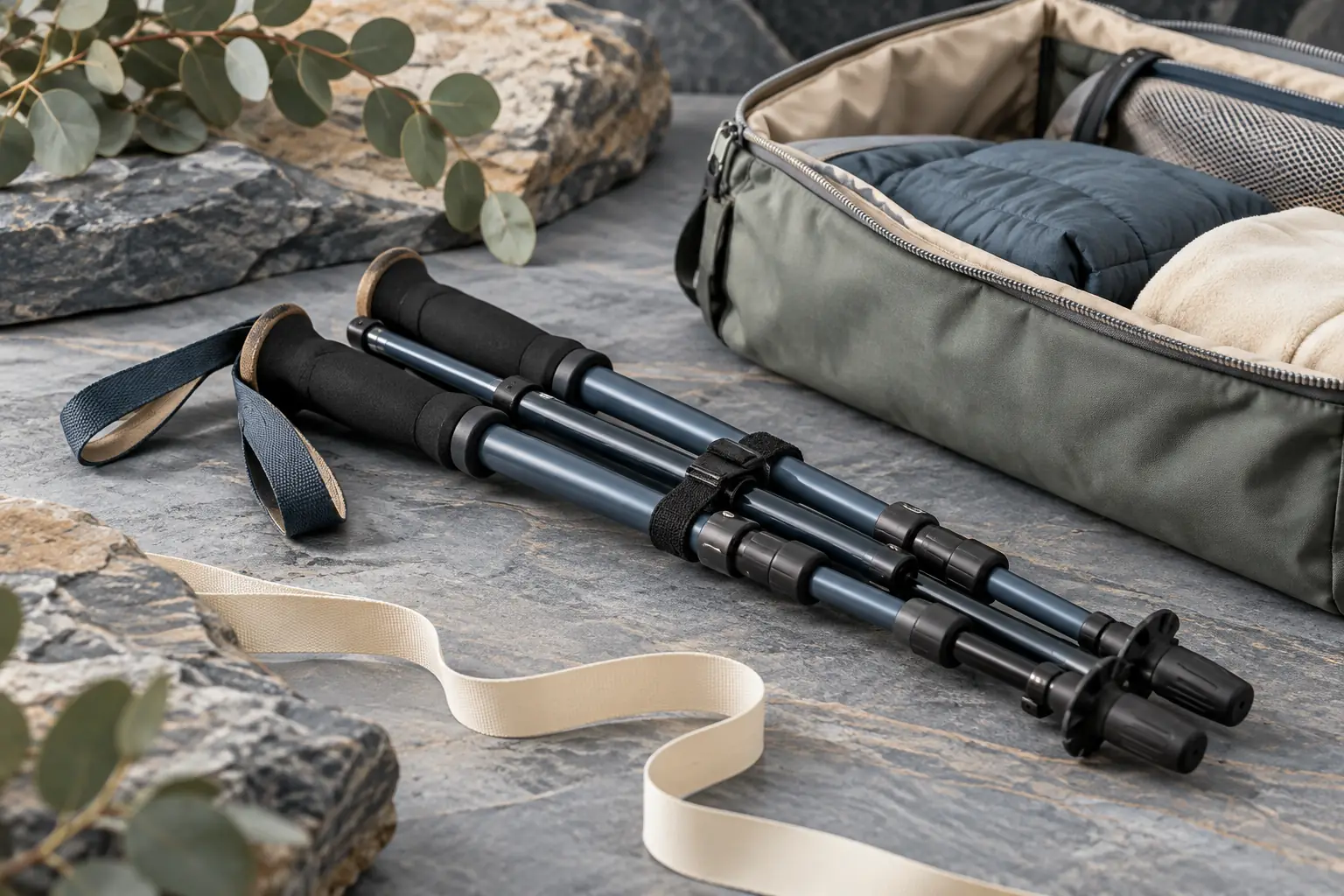
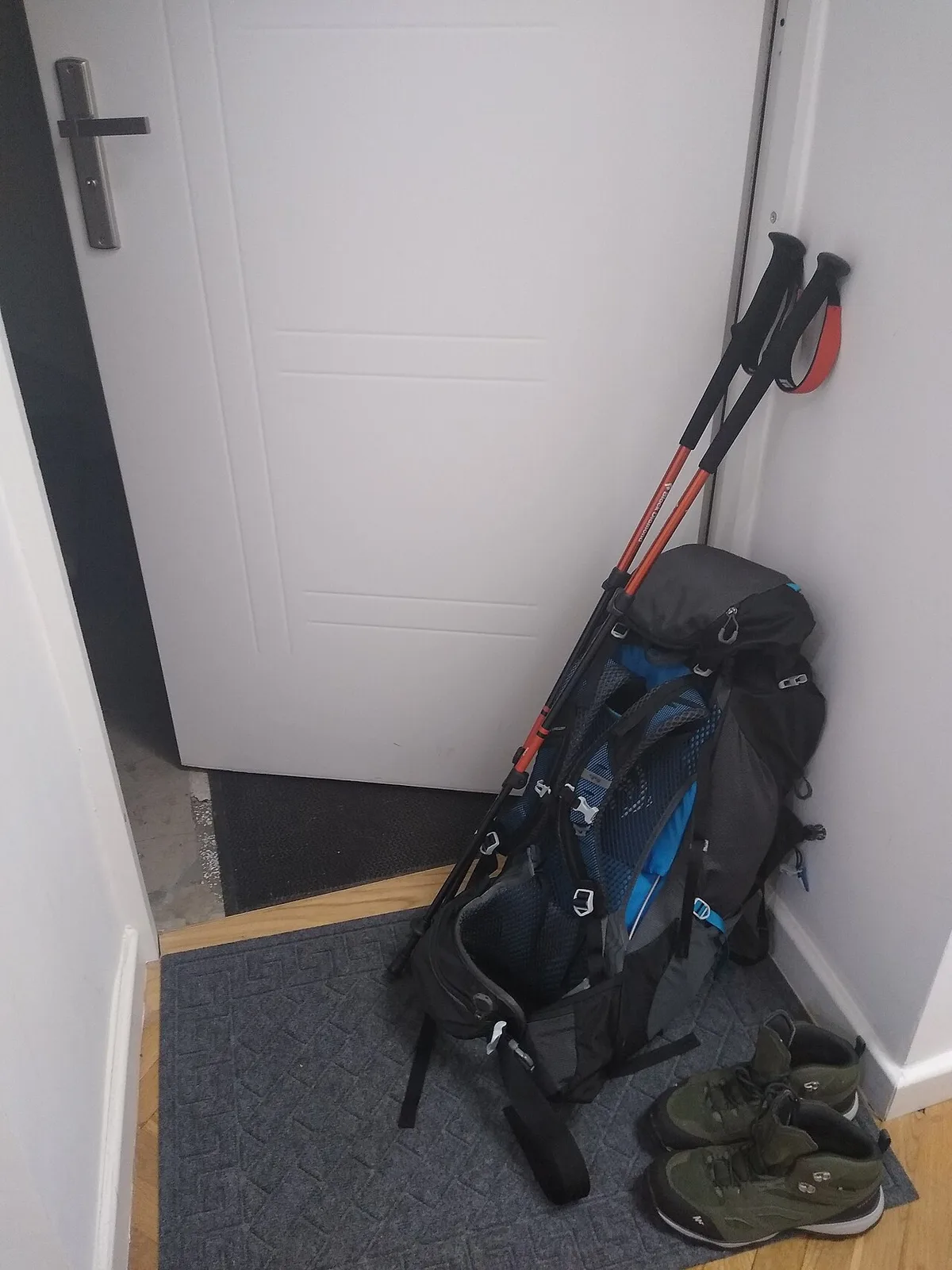
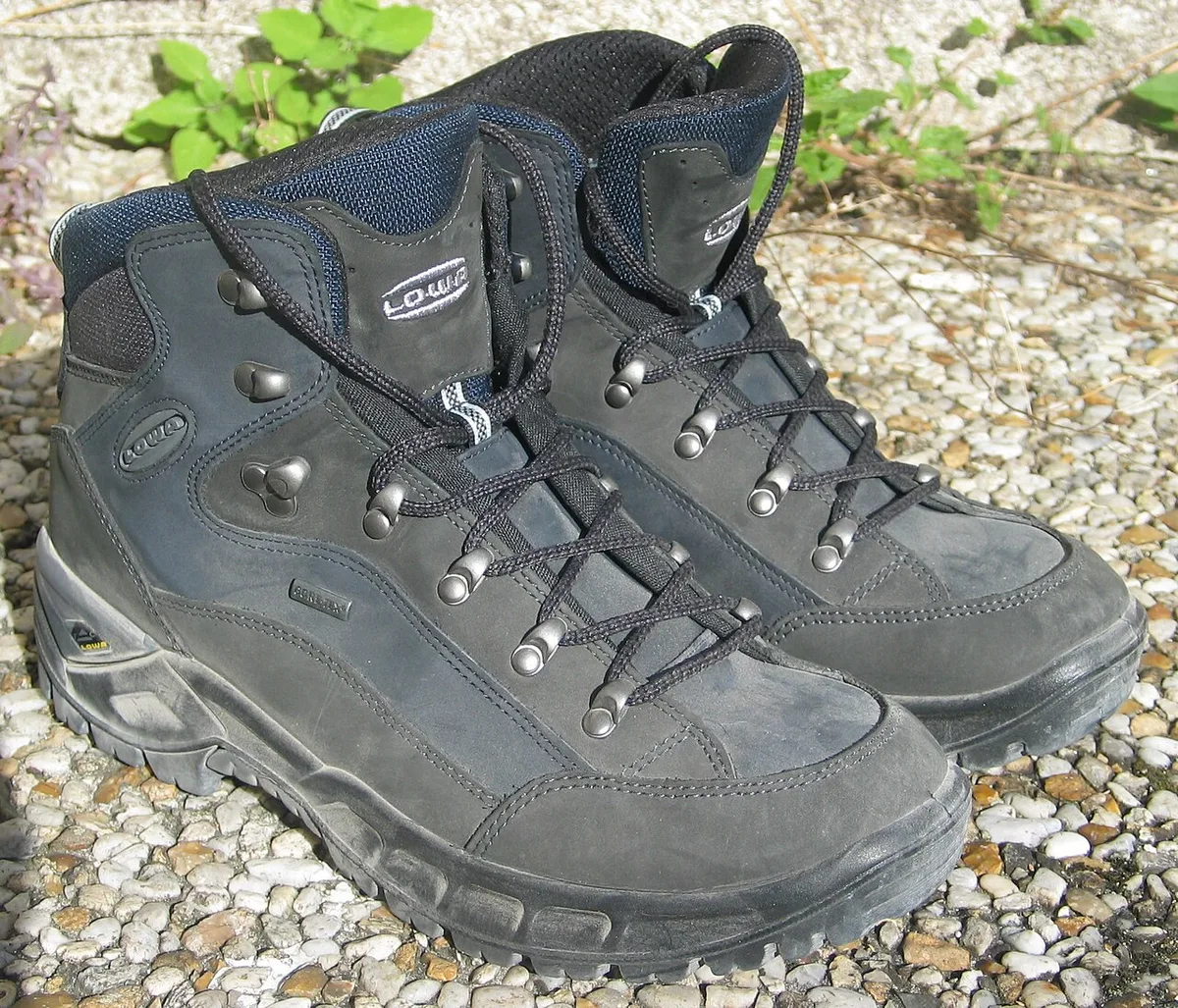
The real pole photograph shows retracted equipment, and the other photographs provide context for maintaining a gear record. They do not demonstrate accessory installation or a technique for a particular surface. The generated lead image is conceptual. Do not use these images to infer tightening methods, permitted modifications or a universal component choice for Australian terrain. Locate the instructions for the exact item and obtain clarification when necessary. Track & Terrain has not performed compatibility tests or evaluated the intended configuration in the field.
Keep the response for the next replacement
Store a useful supplier answer with the pole and part identifiers, including the date and any limitations stated. A future replacement can then begin with a precise record instead of a memory of what looked similar. Recheck when the model version or accessory changes. The outcome may be a documented match, a request for more information or a decision to postpone buying. Each is more useful than an unsupported assurance, because it keeps the evidence and the remaining question attached to the actual product.