Find the instructions for the exact trekking poles
Identify the exact pole model and its official instructions before comparing adjustment systems or accessories.
Updated:
Start with the model, not the mechanism
Two trekking poles can look similar while using different adjustment systems and components. Begin a comparison by identifying the exact product and the manufacturer's documentation supplied for it. Record the model name, version where available and the seller's description of the package. This is an information-gathering process, not an adjustment tutorial. A photograph of a lever or twist section cannot establish how a different pole should be assembled, tightened or used, and a generic buying guide should not fill that gap with an invented procedure.

Find instructions before relying on a feature
Bushwalking Victoria's walking-pole guidance, checked on 2026-10-27, points readers to the manufacturer's adjustment instructions. Use that as a practical purchasing question: can you obtain and understand the correct document for the item being considered? Save its official location and identify which model it covers. If a retailer's summary conflicts with the document, ask for clarification. Do not assume that an older model's instructions remain applicable simply because the product family has kept a familiar name.
Keep a visible unanswered list
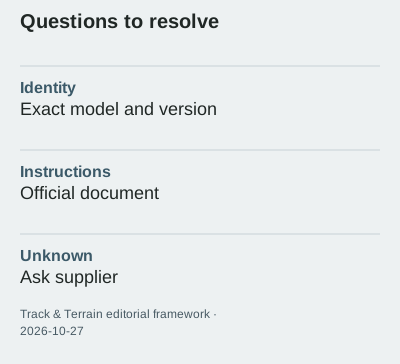
Create a short list covering the adjustment system, permitted configuration, storage arrangement and supplied components. Mark an answer as documented only when you can connect it to the exact model. In a fictional five-question enquiry with four documented answers, one remains unresolved: 20% of the list. That percentage measures paperwork completeness, not safe operation or product quality. A consequential missing instruction cannot be cancelled out by several answered questions, so retain it explicitly before making the purchase decision.
Read the package as well as the price
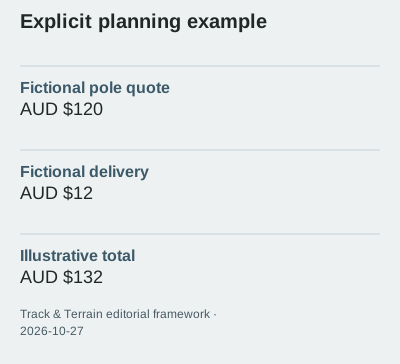
A quote should state whether the offer includes one pole or a pair and which accessories are supplied. For an invented example, an AUD $120 package plus AUD $12 delivery totals AUD $132. These are fictional amounts, not current Australian offers. Save a real quote separately with its date, seller and exact package. A headline price is difficult to compare if the included components differ, and an inexpensive accessory does not become compatible merely because it appears beside the product online.
Use photographs for identification only
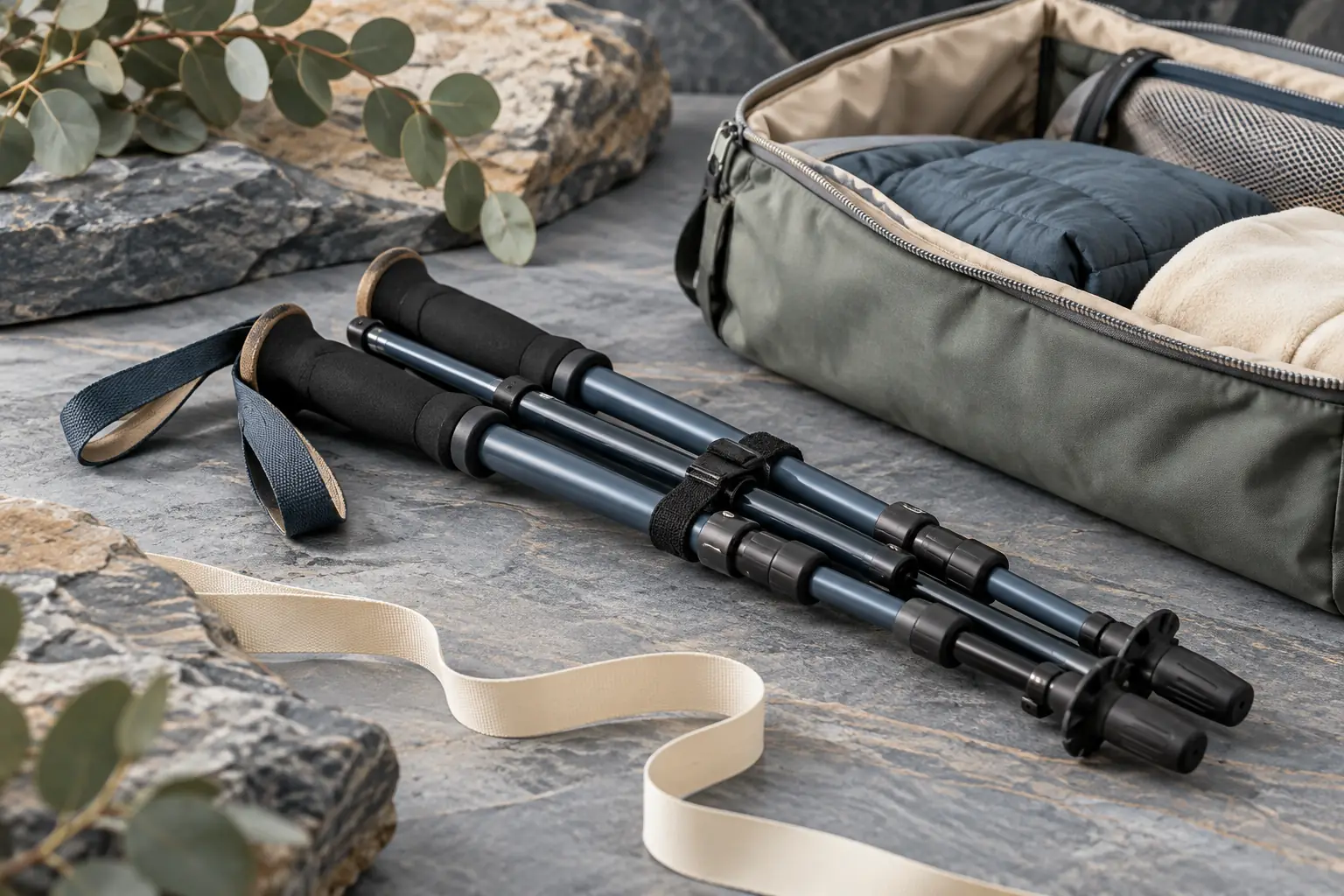
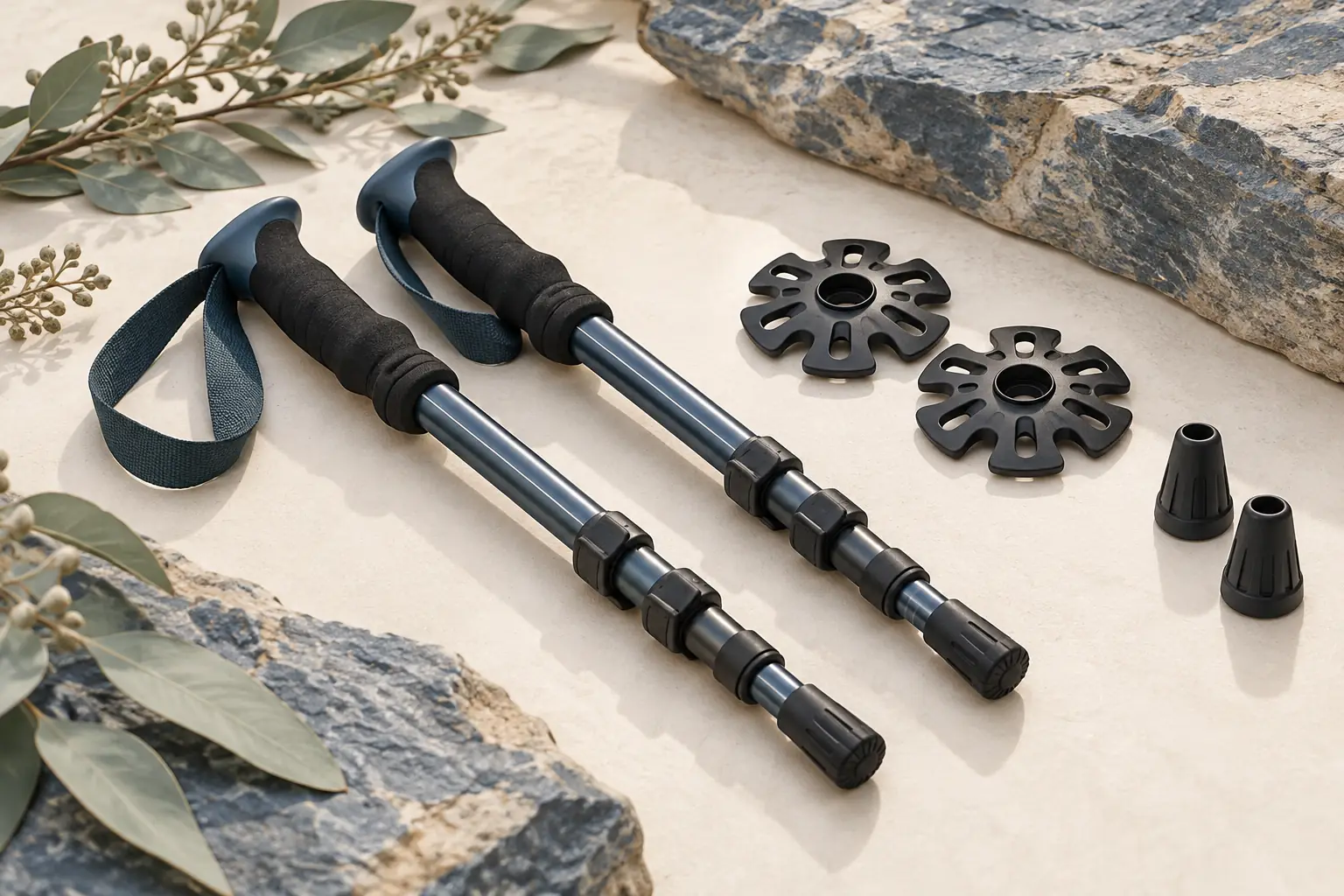
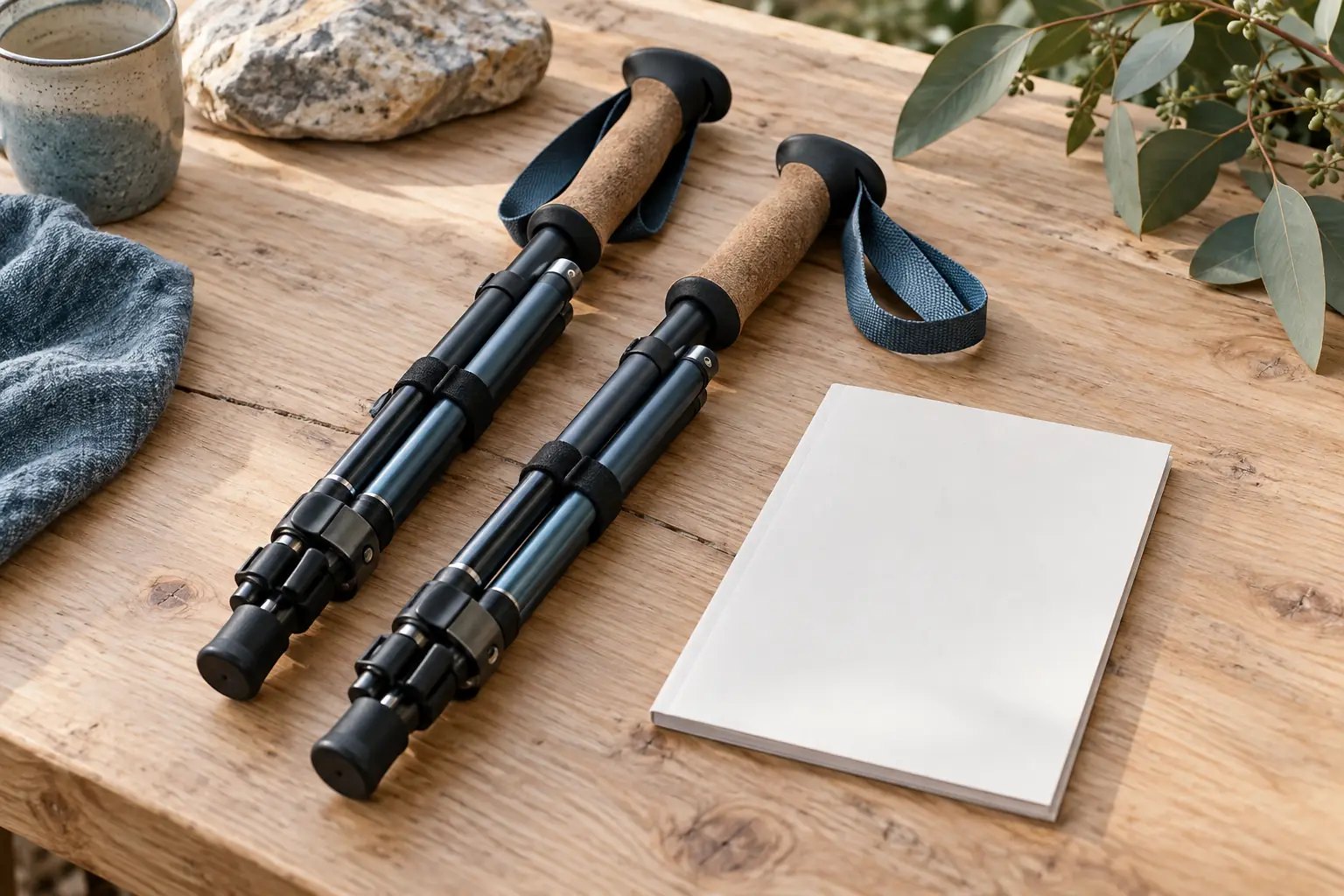
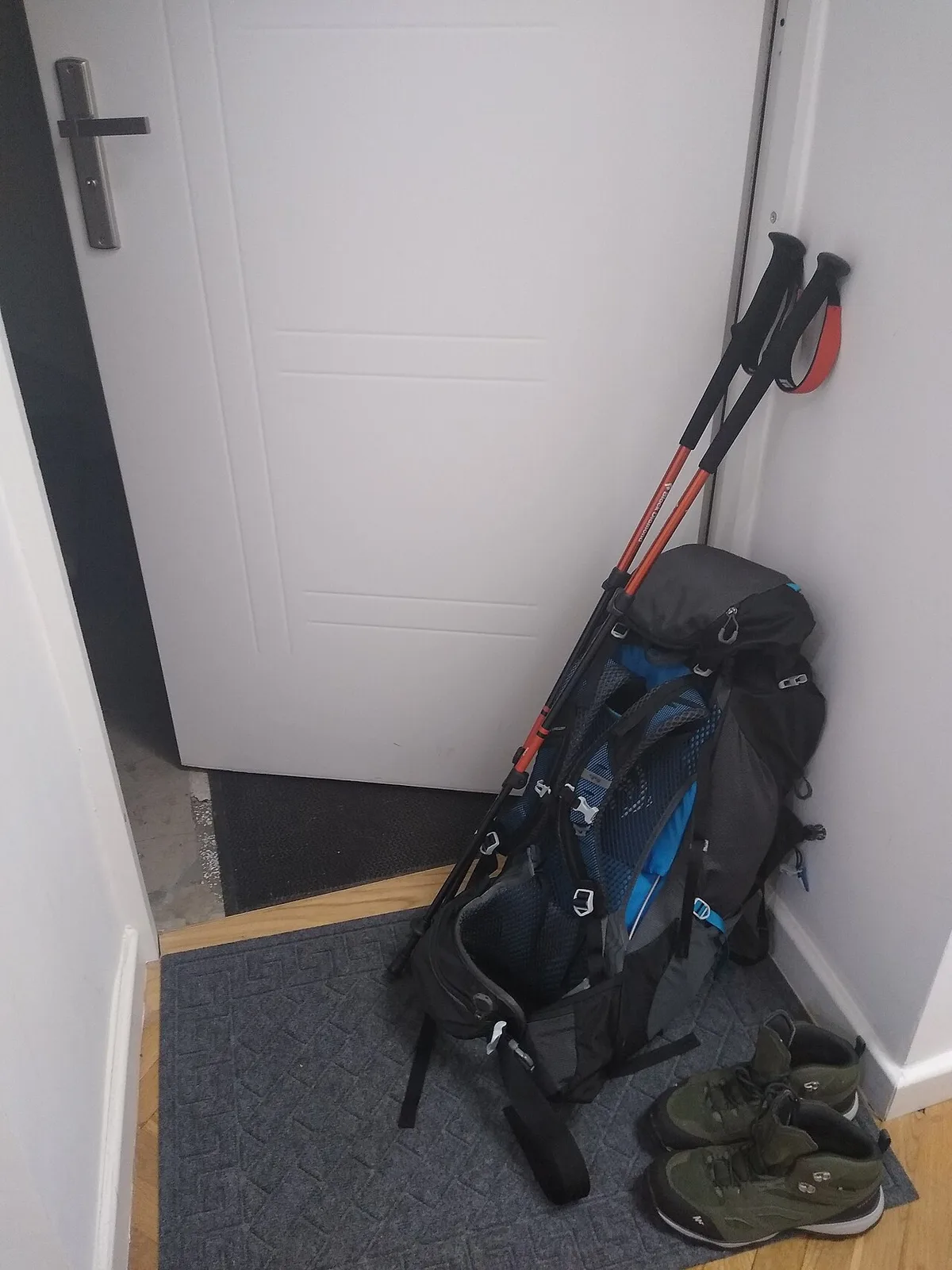
The real photograph of retracted poles illustrates a compact configuration, while the backpack photograph shows equipment grouped for reference. Neither provides the instructions for your own model. They are not demonstrations of correct technique or endorsements of a particular carrying arrangement. The generated lead image is a generic editorial concept. If an illustration seems inconsistent with the official document, rely on clarification from the manufacturer rather than treating the image as an operating standard or a shortcut to understanding the mechanism.
Keep the answer with the equipment record
Store the model identifier, official document and any supplier response together so they can be found later. Record unresolved compatibility or adjustment questions without guessing. Track & Terrain has not tested these products or assessed the intended walk. The purpose of the record is to make a purchase enquiry precise and repeatable. When the product version, accessory or intended configuration changes, revisit the relevant documentation instead of assuming that the earlier conclusion transfers automatically to the new combination.