Compare pole packed length with the carrying plan
Compare documented packed dimensions with actual storage constraints without confusing compactness with suitability.
Updated:
Define the storage question first
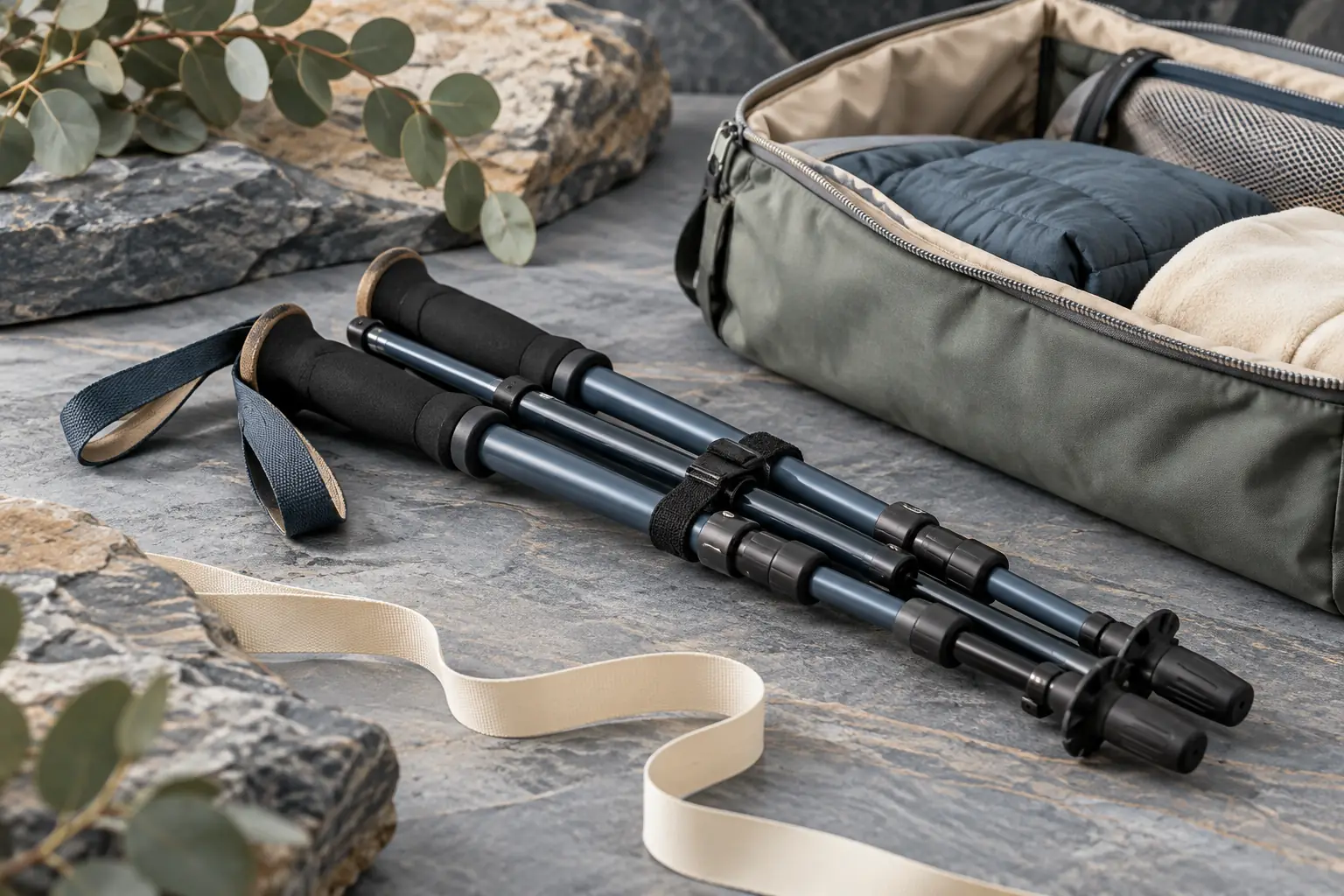
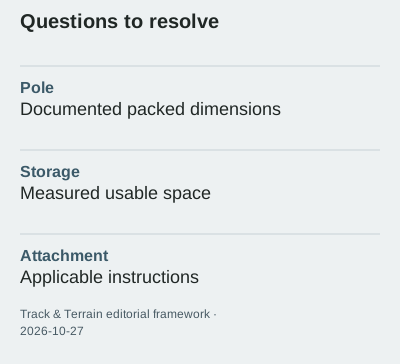
Packed length becomes useful when it answers a real storage question. Identify whether you are comparing a bag compartment, a transport case or another intended arrangement, then establish the constraints of that space. Keep internal usable dimensions separate from the bag's overall exterior measurements. This guide does not prescribe an external attachment method. A compact product may be easier to accommodate in one situation, but compactness alone does not establish suitability for a walk, compliance with transport rules or compatibility with a particular backpack.

Check what the measurement describes
Find the exact manufacturer's description of the pole's packed or folded configuration. Record whether the figure applies to the specific version being sold and whether accessories affect the dimensions. Do not substitute the shortest adjustable operating length if the documentation describes a different packed arrangement. Bushwalking Victoria's pole and pack resources, reviewed on 2026-10-27, provide background for equipment enquiries; the dimensional evidence still needs to come from the exact item. Ask the supplier when a listing uses ambiguous terminology.
Measure space without inventing clearance rules
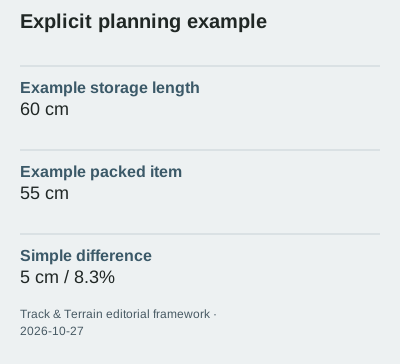
For an explicitly fictional example, a storage space measured at 60 cm and an item documented at 55 cm have a simple length difference of 5 cm, about 8.3% of the space's stated length. This arithmetic is not a recommended clearance or a fit guarantee. Width, shape, openings and other contents remain relevant. A single linear comparison cannot establish that an object can pass through an opening or sit in the space without affecting the rest of the arrangement.
Treat attachment as a separate enquiry
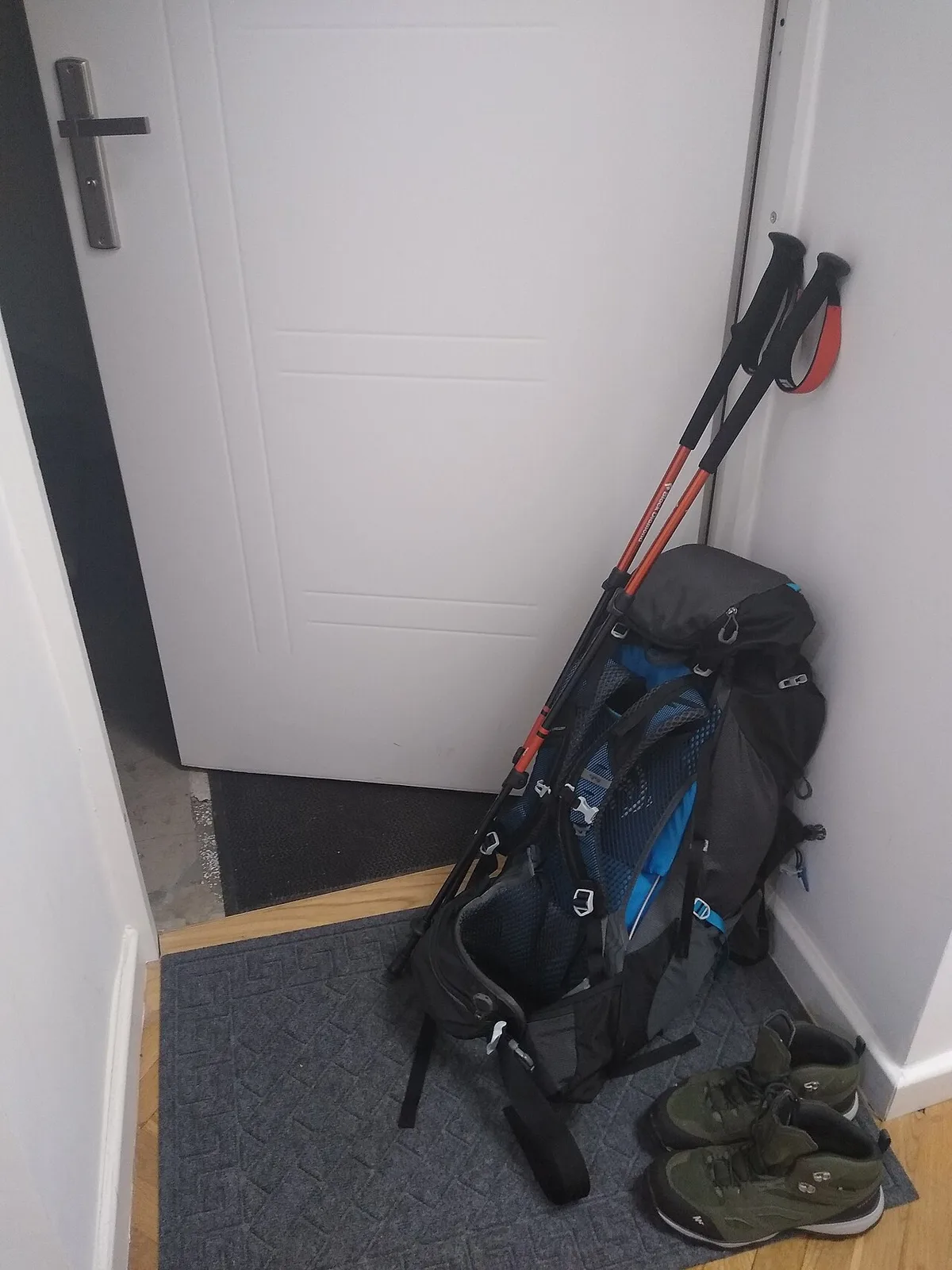
If the intended arrangement involves a pack's attachment features, locate the relevant documentation and ask about the exact combination. Do not infer a carrying method from a product photograph or from an attachment loop's appearance. The real backpack photograph in this guide provides visual equipment context, not a universal storage instruction. Keep the arrangement question distinct from the measurement calculation. A favourable number does not resolve component compatibility, appropriate use or any restrictions that apply to the activity and transport involved.
Include transport costs only when verified
A fictional AUD $90 item plus an AUD $15 case would total AUD $105, but this does not establish that a case is needed or that it meets a transport provider's requirements. Those invented amounts illustrate a budget record only. Check the provider's current rules and the actual package before relying on a purchase plan. Save any real quote with the date and model. Avoid treating a retailer's general travel description as confirmation that every carrier accepts the same configuration.
Write a limited, useful conclusion
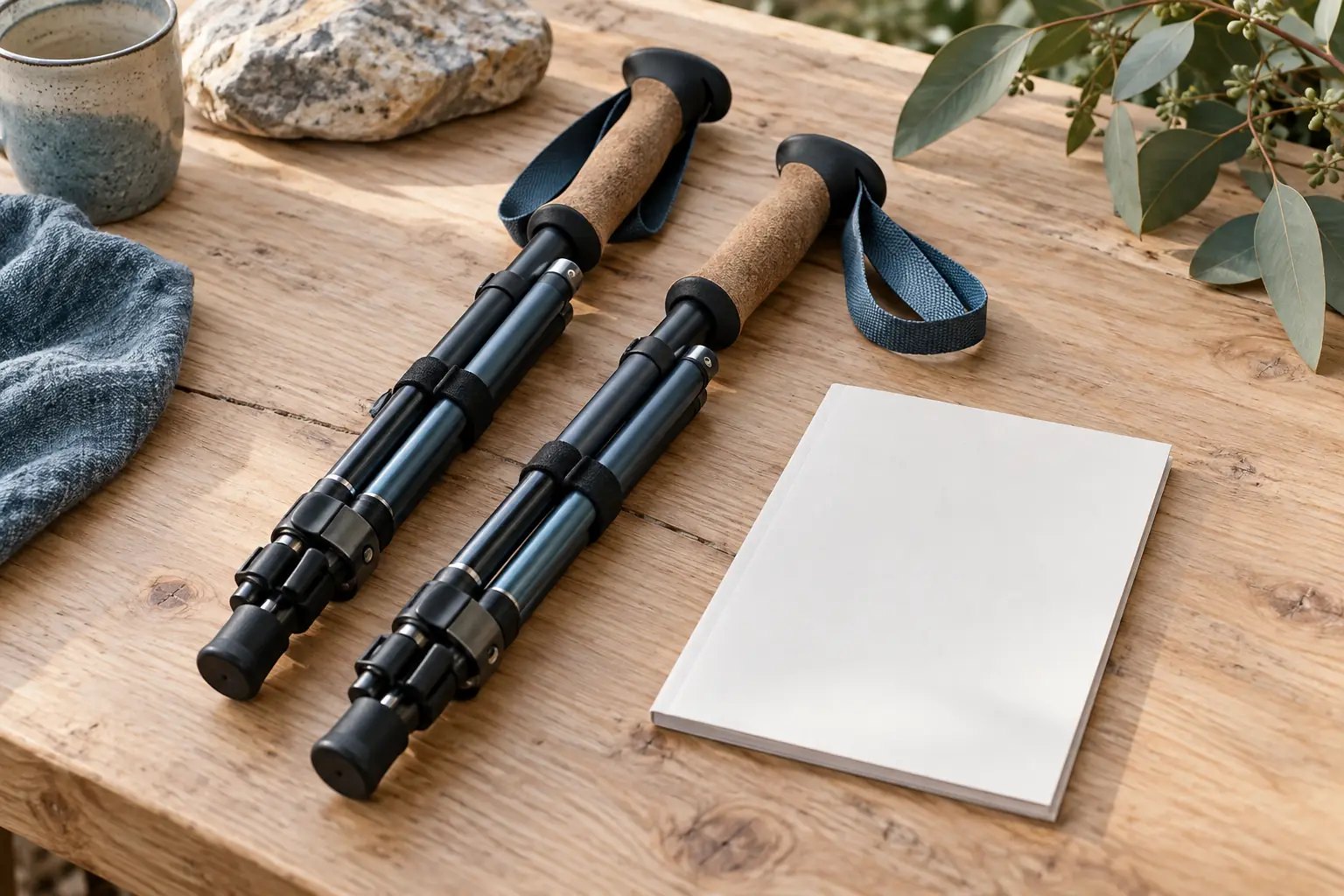
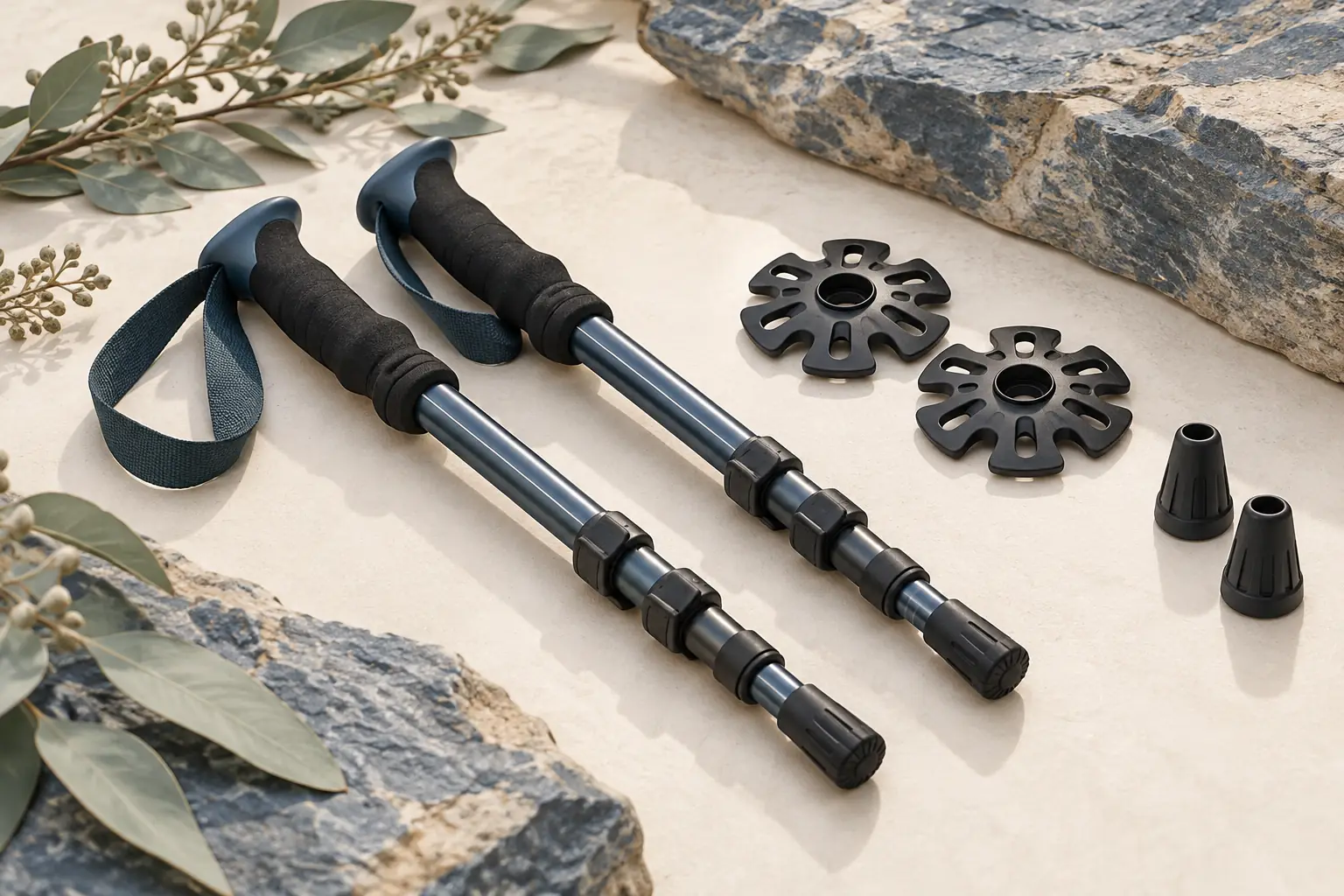
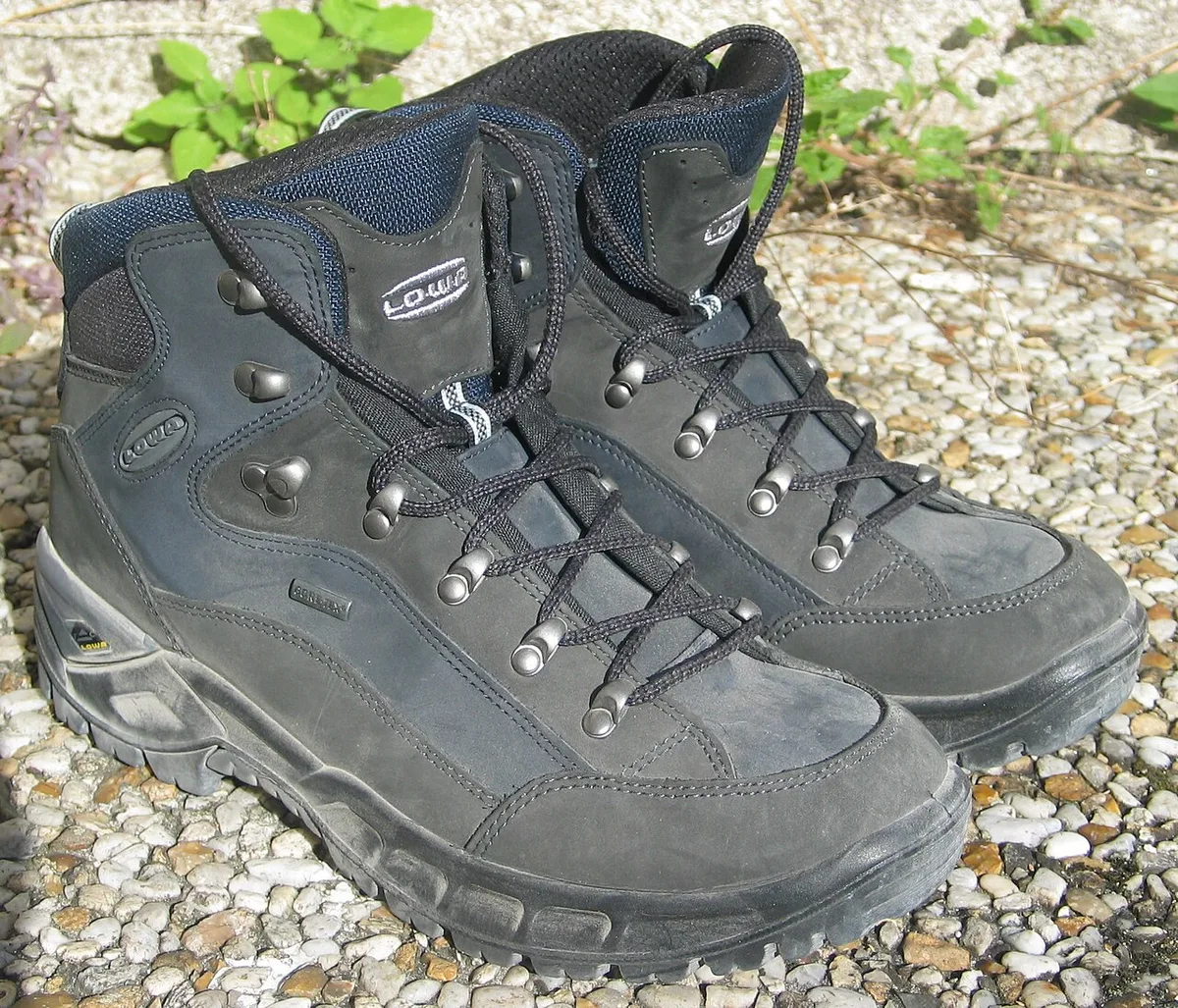
Finish with the documented item dimensions, the measured storage constraints and the remaining questions. State whether an actual permitted fitting was completed or whether the conclusion is only a preliminary comparison. The generated lead image is conceptual and the real pole photograph is not a dimensioned drawing. Track & Terrain has not tested the combination. A clear record helps a supplier understand the enquiry while preventing a simple length calculation from being mistaken for a complete assessment of the equipment or its intended use.
Bushwalking Victoria: Walking poles ? Bushwalking Victoria: Packs ?